Get your free personalized podcast brief
We scan new podcasts and send you the top 5 insights daily.
When Japan cut off 90% of the U.S. rubber supply before WWII, America responded by rapidly scaling synthetic rubber technology. This historical success, a "Manhattan Project" for materials, serves as a powerful analogy and strategic model for tackling the current rare earth dependency.

Related Insights
For 30 years, China identified rare earths as a strategic industry. By massively subsidizing its own companies and dumping product to crash prices, it methodically drove US and global competitors out of business, successfully creating a coercive dependency for the rest of the world.

China's export ban on rare earth metals, critical for everything from iPhones to fighter jets, exposes a major US vulnerability. The solution is to treat domestic mining like vaccine development—a national security priority that requires fast-tracking the typical 30-year regulatory process for opening new mines.

To counter China's dominance in rare earths, subsidies and tax credits are not enough. The US must also use tools like the Defense Production Act to create long-term, guaranteed demand contracts. This provides stability for private companies to withstand the price volatility caused by Chinese market manipulation and dumping.

China's strategy involved not only extracting and processing rare earths but also creating domestic demand through EVs and wind turbines. This holistic approach, combined with state-owned enterprises that don't require profitability, created an unbeatable market position.
Innovative biotech solutions use programmed proteins to act like tiny robots, targeting and extracting specific rare earths from industrial waste. This method is cleaner, faster, and transforms a domestic liability like coal ash and mine tailings into a valuable resource.
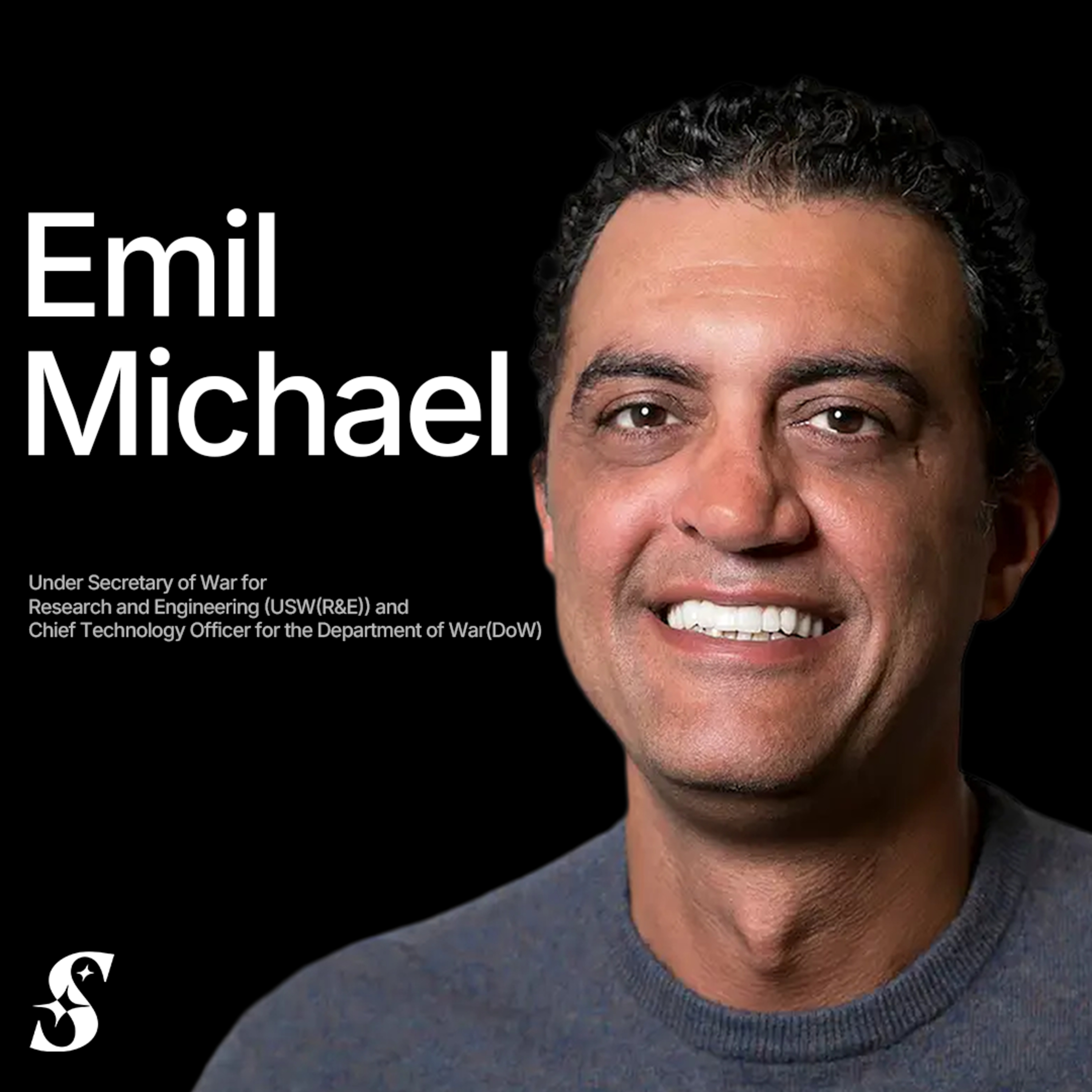
The Under Secretary of War defines the current "1938 moment" not as an imminent war, but as a critical juncture for rebuilding the domestic industrial base. The focus is on reversing decades of outsourcing critical components like minerals and pharmaceuticals, which created strategic vulnerabilities now deemed unacceptable for national security.
Facing China's export restrictions on rare earth metals, the U.S. immediate strategy is "ally-shoring": striking a major deal with Australia. This secures the supply chain through geopolitical partnerships as a faster, more pragmatic alternative to the long process of building domestic capacity from scratch.
Attempting to out-mine, out-process, and out-spend China in traditional rare earth production is a losing strategy. The U.S. can gain an advantage by investing in breakthrough technologies that bypass China's existing chokehold on the supply chain.
America's vulnerability in the rare earths supply chain stems from internal failures, not a lack of domestic resources. A 29-year average for mining permits, cuts to research funding, and alienating allies have created a strategic dependency that could have been avoided.

Instead of finding new sources for rare earths, some companies are developing materials that don't require them at all. Niron Magnetics' creation of a rare-earth-free magnet offers a powerful path to completely bypass the supply chain problem at its source.