Get your free personalized podcast brief
We scan new podcasts and send you the top 5 insights daily.
China's strategy involved not only extracting and processing rare earths but also creating domestic demand through EVs and wind turbines. This holistic approach, combined with state-owned enterprises that don't require profitability, created an unbeatable market position.

Related Insights
For 30 years, China identified rare earths as a strategic industry. By massively subsidizing its own companies and dumping product to crash prices, it methodically drove US and global competitors out of business, successfully creating a coercive dependency for the rest of the world.
China's dominance isn't limited to rare earths; it accounts for 35% of global manufacturing—three times the US. This industrial might gives it the theoretical ability to apply similar coercive licensing regimes in sectors from EVs to renewable energy, posing a systemic risk.
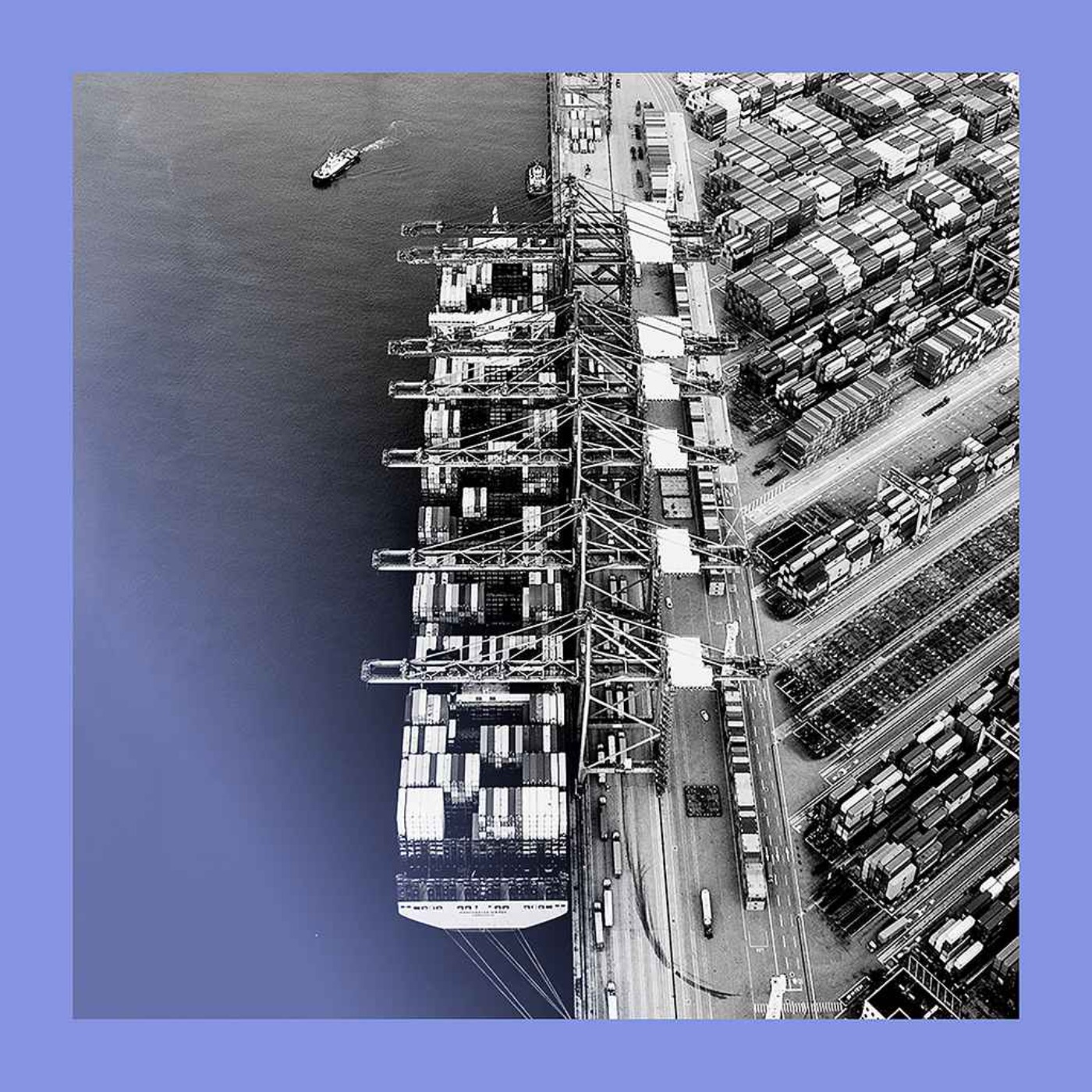
Western leaders mistakenly focus on securing raw material sources ('feedstock'), believing mining rights equal supply chain control. The reality is that China's dominance in midstream processing makes the mine's location irrelevant, as they control the ability to turn ore into usable material.

China is leveraging its 90% control over rare earth processing not just against the US, but globally. By requiring licenses from any company worldwide, it creates a chokehold on high-tech manufacturing and establishes a new template for economic coercion.
To counter China's dominance in rare earths, subsidies and tax credits are not enough. The US must also use tools like the Defense Production Act to create long-term, guaranteed demand contracts. This provides stability for private companies to withstand the price volatility caused by Chinese market manipulation and dumping.

While headlines focus on advanced chips, China’s real leverage comes from its strategic control over less glamorous but essential upstream inputs like rare earths and magnets. It has even banned the export of magnet-making technology, creating critical, hard-to-solve bottlenecks for Western manufacturing.

China achieved its near-monopoly on rare earths not by chance, but through a long-term state-sponsored strategy. This involved providing capital to key firms, funding overseas acquisitions, banning foreign ownership of domestic mines, and consolidating the industry to control global prices.

China is restricting exports of essential rare earth minerals and EV battery manufacturing equipment. This is a strategic move to protect its global dominance in these critical industries, leveraging the fact that other countries have outsourced environmentally harmful mining to them for decades.

China's global dominance isn't in owning mines, but in controlling the midstream refining and smelting processes. This creates a critical choke point for the West's supply of essential materials for defense, AI, and electrification, as they control 50-98% of processing capacity for key metals.
Contrary to the Western perception of a monolithic state-run system, China fosters intense competition among its provinces. Provincial leaders are incentivized to outperform each other, leading to massive, parallel innovation in industries like EVs and solar, creating a brutally efficient ecosystem.
