Get your free personalized podcast brief
We scan new podcasts and send you the top 5 insights daily.
In the game "Disney Friends," adding a simple points meter and sparkles catered to mastery-driven players without alienating relationship-driven players. This demonstrates how minor UX tweaks can successfully accommodate diverse, even conflicting, user needs within the same product.

Related Insights
A simple concept for a calorie tracking app failed to get traction, but the exact same idea went viral 24 hours later after adding polished animations. This shows that subtle interactions are a key differentiator when basic app creation has become commoditized and can be the difference between failure and success.

OpenAI initially removed ChatGPT's model picker, angering power users. They fixed this by creating an "auto picker" as the default for most users while allowing advanced users to override it. This is a prime case study in meeting the needs of both novice and expert user segments.
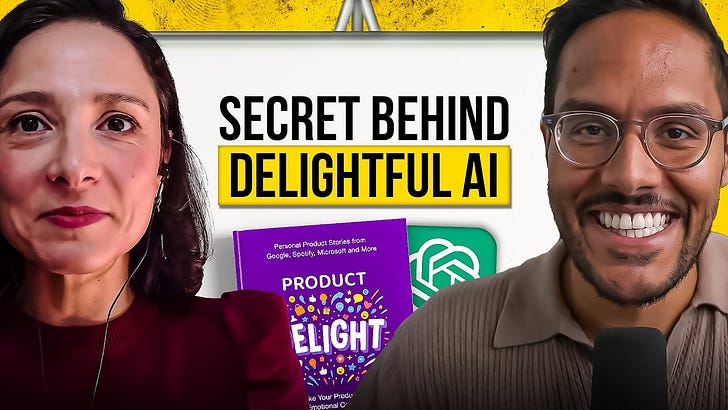
True differentiation comes from "deep delight," where emotional needs are addressed within the core functional solution. This is distinct from "surface delight" like animations or confetti, which are nice but fail to build the strong emotional connections that drive loyalty.
Don't design solely for the user. The best product opportunities lie at the nexus of what users truly need (not what they say they want), the company's established product principles, and its core business objectives.

The most effective user segmentation is based on underlying motivations. Identifying both functional ("inspire me with new music") and emotional ("help me feel less lonely") drivers is the crucial first step to engineering meaningful product delight that resonates deeply with users.
Instead of relying solely on demographic or behavioral data, use motivational segmentation to understand *why* users choose your product. Grouping users by their core emotional drivers (e.g., to feel productive, to feel connected) uncovers deeper needs and informs emotionally resonant features.

The decision to launch a new app, rather than add a feature, was driven by user research revealing a different core "job to be done." One app was for getting kids to sleep; the new one was for passing on faith. Understanding this motivational difference was key to unlocking growth with a separate product.
Brands must adapt messaging for different buyer personas, even for the same product. Just as Netflix customizes thumbnails to appeal to varied viewer preferences (e.g., focusing on a male vs. female lead), businesses should highlight different benefits to resonate with distinct customer motivations.

Avoid the 'settings screen' trap where endless customization options cater to a vocal minority but create complexity for everyone. Instead, focus on personalization: using behavioral data to intelligently surface the right features to the right users, improving their experience without adding cognitive load for the majority.

Contrary to the classic view of games as competitive, modern player data shows that motivations like self-expression and companionship are far more prevalent. Riot Games' success with cosmetic skins exemplifies the financial power of catering to this new hierarchy of player needs.