Get your free personalized podcast brief
We scan new podcasts and send you the top 5 insights daily.
Tobi Lütke believes a leader's key role is to induce a fast pace by compressing timelines, citing Parkinson's Law. He abandoned quarterly cadences for a 6-week review cycle, arguing that planning in half-year chunks (H1/H2) is a massive red flag indicating a dangerously slow operational rhythm.

Related Insights
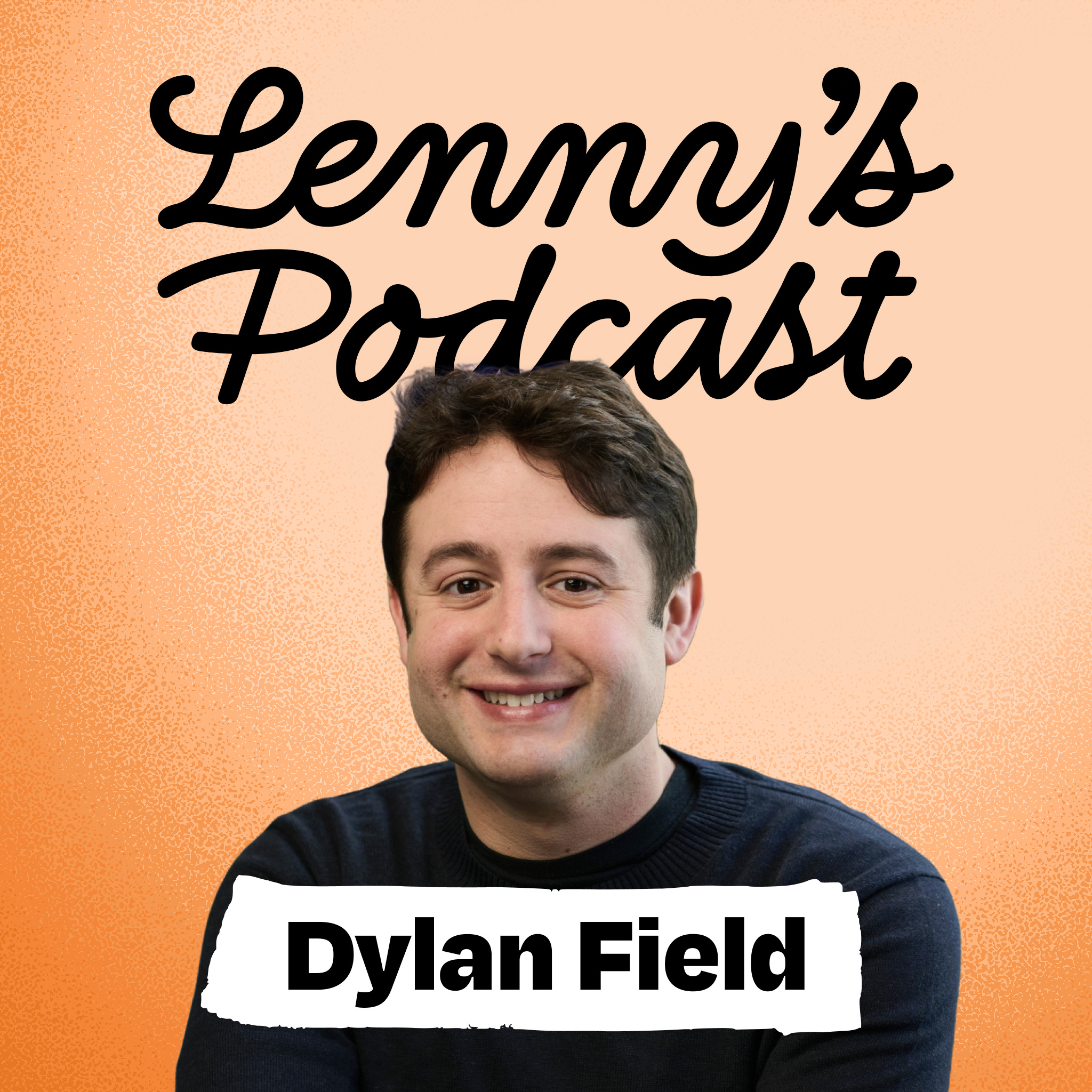
CEO Dylan Field combats organizational slowness by interrogating project timelines. He seeks to understand the underlying assumptions and separate actual work from "well-intentionally added" padding. This forces teams to reason from first principles and justify the true time required, preventing unnecessary delays.
Processes that work at $30M are inadequate at $45M. Leaders in hyper-growth environments (30-50% YoY) must accept that their playbooks have a short shelf-life and require constant redesign. This necessitates hiring leaders who can build for the next level, not just manage the current one.

In the fast-moving AI sector, quarterly planning is obsolete. Leaders should adopt a weekly reassessment cadence and define "boundaries for experimentation" rather than rigid goals. This fosters unexpected discoveries that are essential for staying ahead of competitors who can leapfrog you in weeks.
The only two useful timeframes for management are the week (long enough to ship and validate ideas) and the decade (long enough for strategic bets to mature). The quarter is an arbitrary, useless middle ground that distracts from what truly matters for long-term value creation.

Constant, raw speed leads to burnout. A more effective operational model uses "pace"—a sustainable level of high performance—and "intervals," which are targeted sprints for key initiatives. This approach allows an organization to maintain long-term momentum without exhausting its team.
![Ric Elias - The Art of Living Well - [Invest Like The Best, CLASSICS] thumbnail](https://megaphone.imgix.net/podcasts/c8d024f8-df4f-11f0-840d-5ff663ee0c32/image/078ac81caab6c002687a18b68c841394.jpg?ixlib=rails-4.3.1&max-w=3000&max-h=3000&fit=crop&auto=format,compress)
Instead of relying solely on internal timelines, create public-facing product events. This establishes an unmissable, external deadline that serves as a powerful forcing function, ensuring teams are aligned and deliver high-quality work on time.

To create a high-velocity culture, managers must actively pull deadlines forward. Don't just accept a proposed timeline. Ask what's blocking it, question the actual work hours required, and repeatedly challenge why it can't be done sooner.

In a fast-changing environment, annual plans are obsolete. At least semi-annually, pause and ask, "If we were to create this plan from scratch today, what would we do differently?" This mindset prevents teams from blindly executing on outdated assumptions tied to performance plans.

Parker Conrad argues that only the CEO truly cares about speed because every other leader can solve their problems by extending timelines. Therefore, one of the CEO's most critical jobs is to personally set the organization's clock speed and constantly push back against slowdowns.

The purpose of setting impossibly aggressive deadlines isn't just to move faster. It is a strategic tool to force a team to identify the true critical path. By asking 'what prevents us from doing this in 6 months instead of 36?' you reveal the few real constraints that must be attacked or eliminated.
