Get your free personalized podcast brief
We scan new podcasts and send you the top 5 insights daily.
The purpose of setting impossibly aggressive deadlines isn't just to move faster. It is a strategic tool to force a team to identify the true critical path. By asking 'what prevents us from doing this in 6 months instead of 36?' you reveal the few real constraints that must be attacked or eliminated.

Related Insights
CEO Dylan Field combats organizational slowness by interrogating project timelines. He seeks to understand the underlying assumptions and separate actual work from "well-intentionally added" padding. This forces teams to reason from first principles and justify the true time required, preventing unnecessary delays.

Musk uses intentionally aggressive timelines as a forcing function. He believes a 50% probability deadline pushes teams to their limits, achieving more faster, even if they often miss the target, while a 'safe' deadline encourages waste.

To overcome the paralysis of perfectionism, create systems that force action. Use techniques like 'time boxing' with hard deadlines, creating public accountability by pre-announcing launches, and generating financial stakes by pre-selling offers. These functions make backing out more difficult and uncomfortable than moving forward.

Instead of over-analyzing and philosophizing about process improvements, simply force the team to increase its cadence and ship faster. This discomfort forces quicker, more natural problem-solving, causing many underlying inefficiencies to self-correct without needing a formal change initiative.

An engineering team's velocity is often bogged down by non-engineering work, which can consume a significant portion of their time. A leader's primary role in accelerating projects is to identify and systematically remove these obstacles, freeing engineers to focus on creative problem-solving and core design tasks.

Deadlines weed out extraneous details and prevent the quest for perfection. They force decisive action, which, as leaders like Ed Catmull and Christopher Nolan have found, can accelerate the creative process rather than hinder it, forcing you to make something different, not just perfect.

To create a high-velocity culture, managers must actively pull deadlines forward. Don't just accept a proposed timeline. Ask what's blocking it, question the actual work hours required, and repeatedly challenge why it can't be done sooner.

To escape the operational hamster wheel, create artificial constraints. By mandating that all work gets done in four days instead of five, you force efficiency and create a dedicated day for working *on* your business, not just *in* it.

Teams naturally focus on what's achievable with current resources ('what we can do'). A leader's job is to define what is existentially necessary for success ('what we must do') and force the team to find a way, even if it seems impossible. Declaring a goal non-negotiable unlocks new solutions.

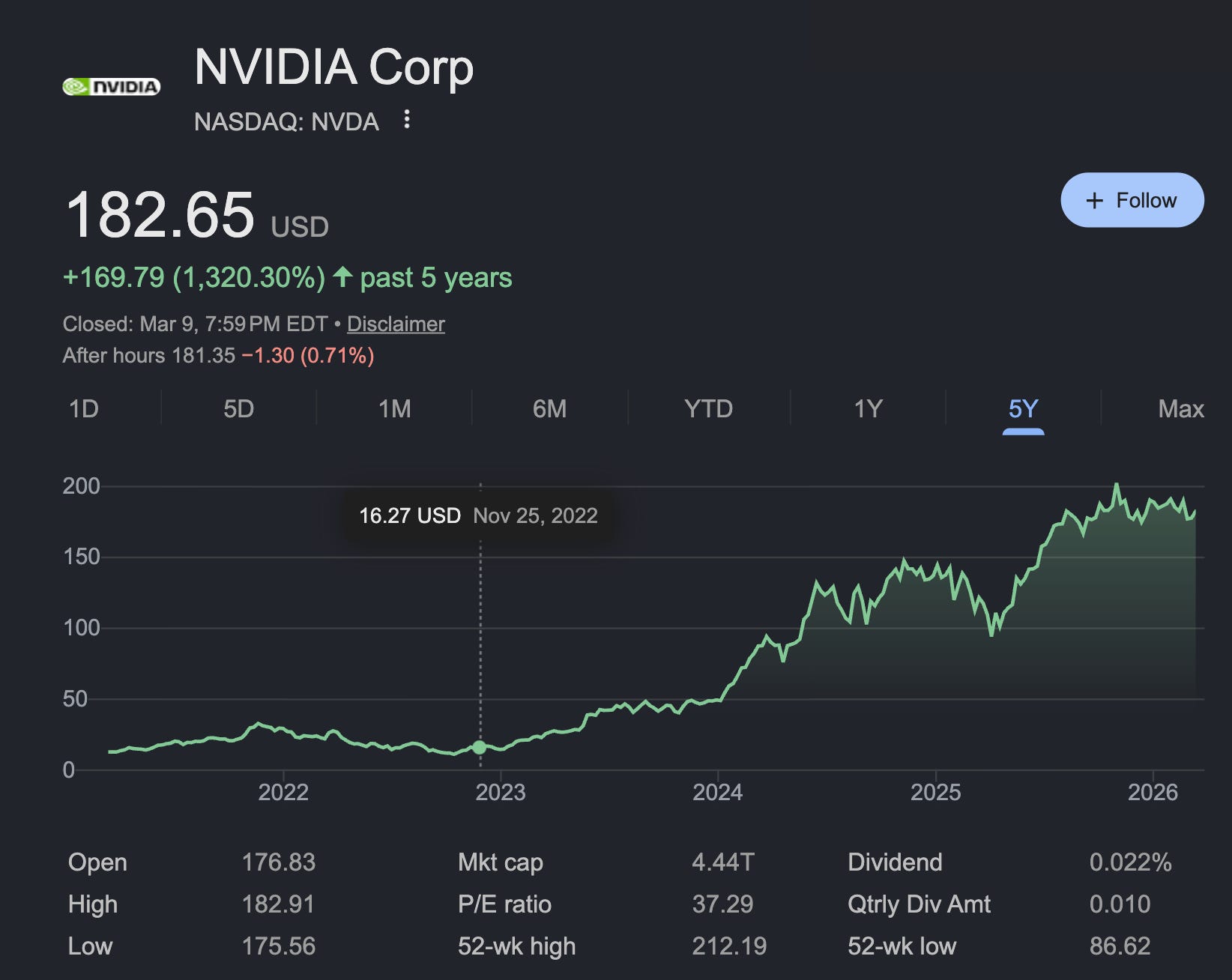
The "Speed of Light" (SOL) principle at NVIDIA combats project delays by demanding the absolute physical limit or theoretical minimum time for a task. This forces teams to reason from first principles before layering in practical constraints and excuses.