Get your free personalized podcast brief
We scan new podcasts and send you the top 5 insights daily.
The only two useful timeframes for management are the week (long enough to ship and validate ideas) and the decade (long enough for strategic bets to mature). The quarter is an arbitrary, useless middle ground that distracts from what truly matters for long-term value creation.

Related Insights
Sustainable growth requires marrying long-term patience with short-term impatience. A grand 10-year vision provides the "serotonin" of purpose, but consistent, 3-month achievements deliver the "dopamine" of progress. This dual focus keeps teams motivated and ensures the long-term plan is grounded in real-world execution.
Prioritize sustainable, long-term growth and value creation over immediate, expedient gains that could damage the business's future. This philosophy guides decisions from product development to strategic planning, ensuring the company builds a lasting competitive advantage instead of chasing fleeting wins.

Allocate resources strategically to ensure both short-term stability and long-term innovation. Dedicate 70% of effort to the core business (1-2 year impact), 20% to riskier medium-term bets (3-5 years), and 10% to high-risk moonshots.
The tension between growth and profitability is best resolved by understanding your product's "runway" (be it 6 months or 6 years). This single piece of information, often misaligned between teams and leadership, should dictate your strategic focus. The key task is to uncover this true runway.
Effective GTM leaders must think 24-36 months ahead. A new strategy or team may show negative results for over six months before gaining traction. This period is a necessary learning curve. Judging success too early and pulling the plug based on noisy, early signals leads to abandoning potentially successful initiatives.
In the fast-moving AI sector, quarterly planning is obsolete. Leaders should adopt a weekly reassessment cadence and define "boundaries for experimentation" rather than rigid goals. This fosters unexpected discoveries that are essential for staying ahead of competitors who can leapfrog you in weeks.
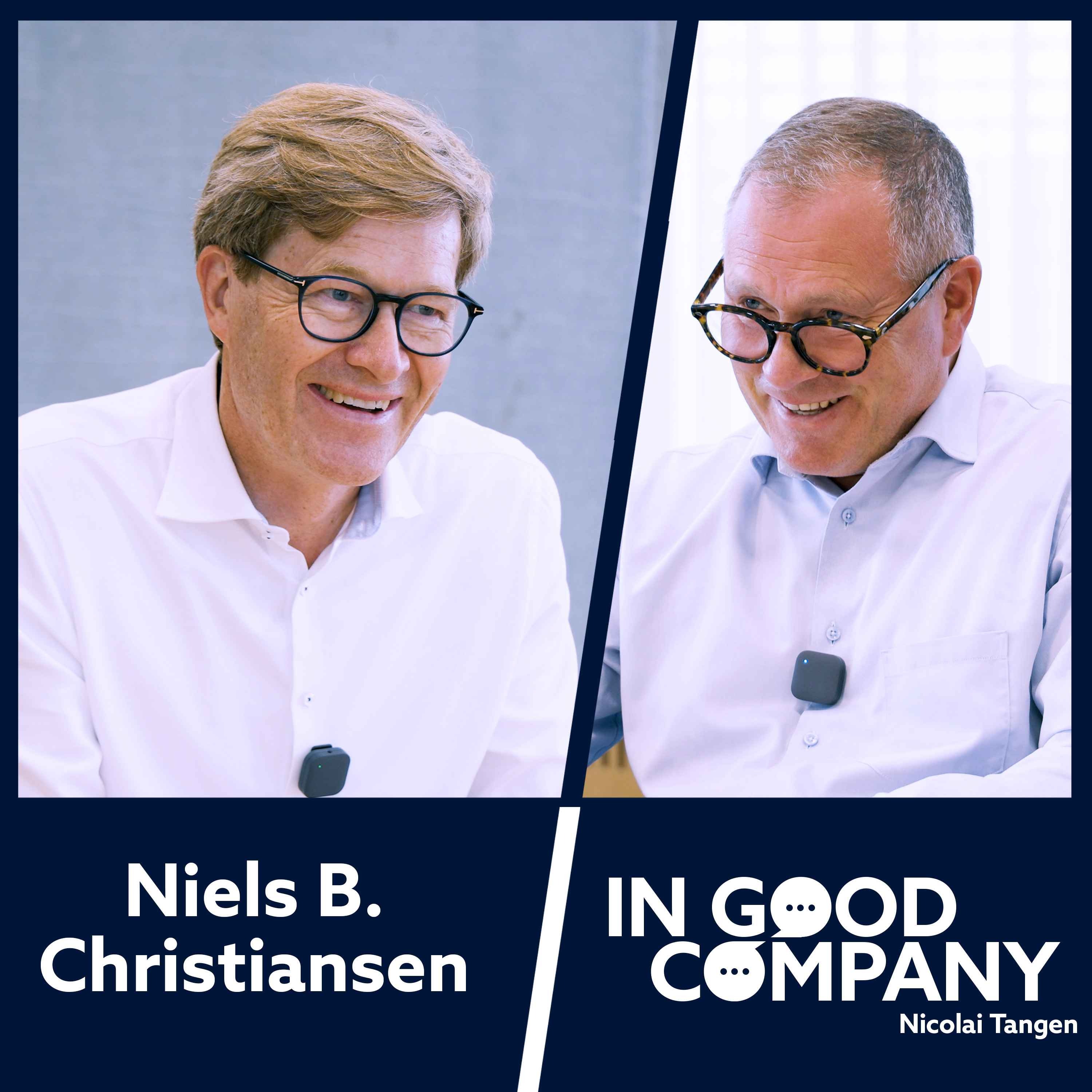
LEGO's CEO has settled on a four-year strategic planning cycle as the ideal cadence. He finds three-year plans create a constant sense of urgency, while five-year plans feel too abstract. A four-year horizon is long enough to execute major initiatives but short enough to remain tangible and relevant.
The rapid pace of change in AI renders long-term strategic planning ineffective. With foundational technology shifts occurring quarterly, companies must adopt a fluid approach. Strategy should focus on core principles and institutional memory, while remaining flexible enough to integrate new tech and iterate on tactics constantly.
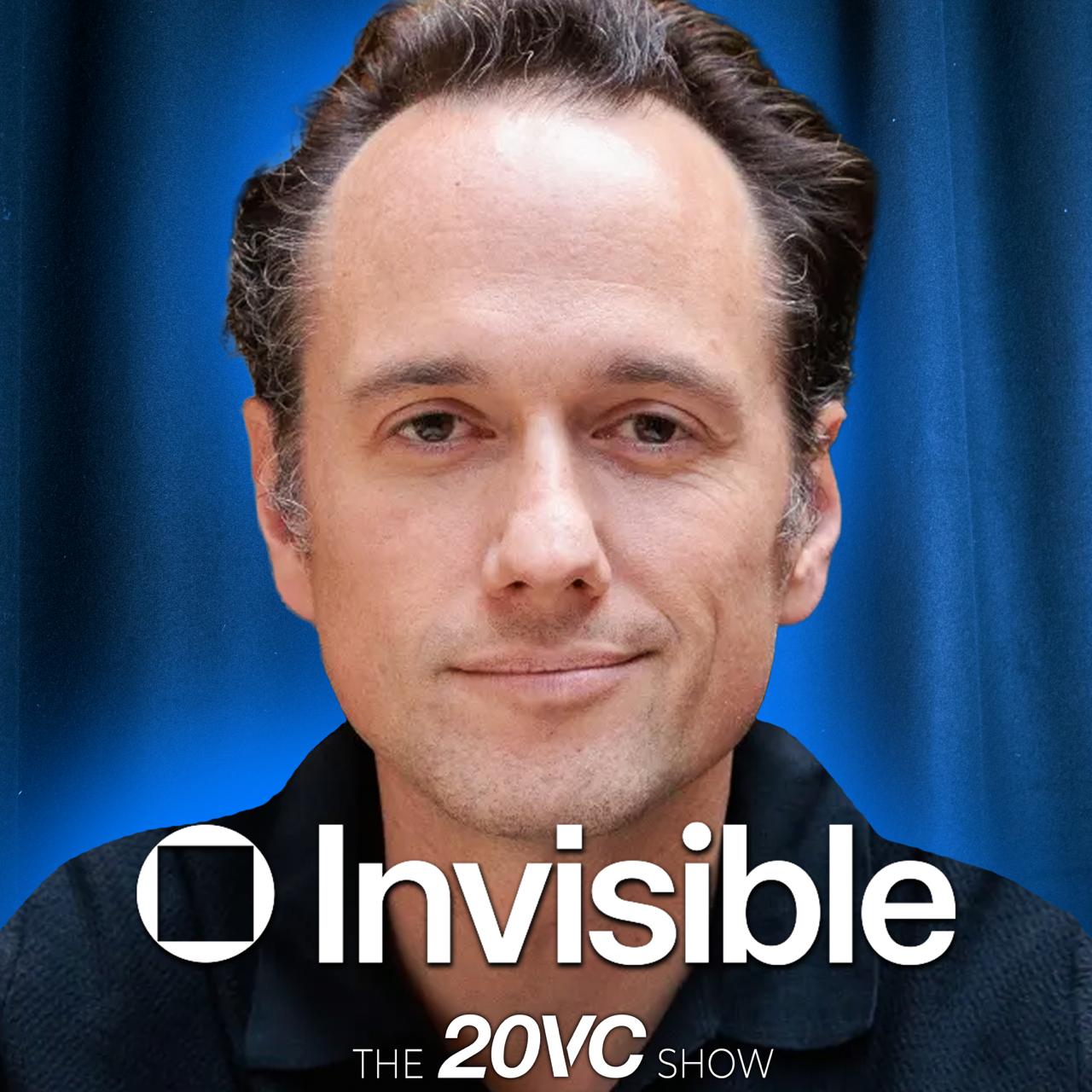
Balance a multi-decade company vision with an intense, minute-by-minute focus on daily execution. This dual cadence keeps the long-term goal in sight while ensuring relentless forward progress, creating a culture of both ambition and urgency.

Successful public market investing requires balancing a long-term thesis with a rigorous focus on near-term performance. While a five-year vision is crucial, understanding and navigating quarterly results is essential, as the long-term outcome is built from these short-term steps and missteps.