Get your free personalized podcast brief
We scan new podcasts and send you the top 5 insights daily.
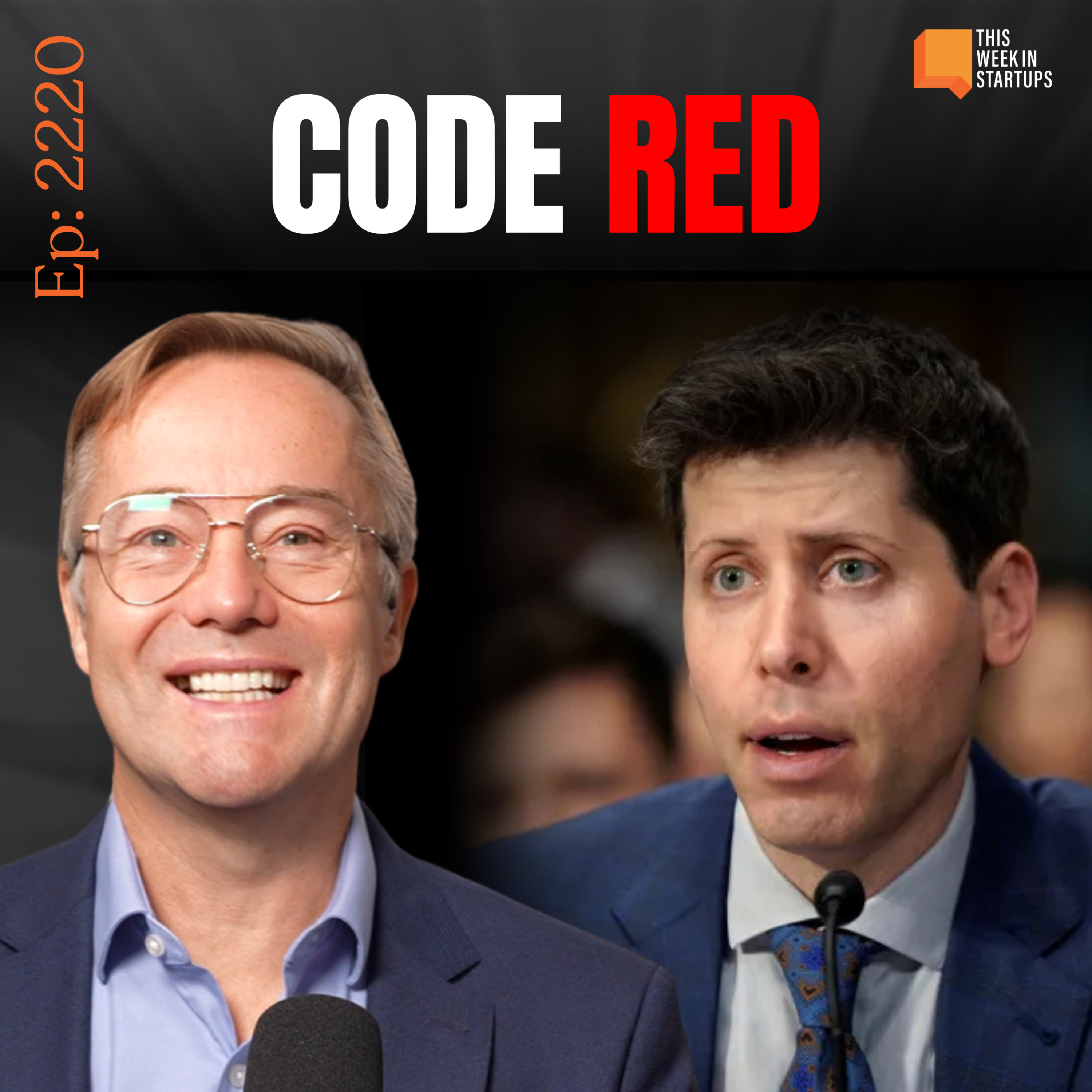
For tech companies in a competitive 'code red' situation like OpenAI, acquiring a media asset is a major distraction. It invariably requires more time and resources than anticipated for a negligible strategic benefit, as famously demonstrated by Jeff Bezos and The Washington Post.

Related Insights
High-stakes bidding for legacy media assets like Warner Bros. is driven by status-seeking among the ultra-wealthy, not a sound bet on the future of media. They are acquiring prestigious "shiny objects" from the past, while the actual attention economy has shifted to platforms like TikTok and YouTube.
High-profile data acquisitions by AI labs, like OpenAI's with the NYT, may be less about the data's intrinsic value and more about securing positive press. A $20 million deal can be a cheap price for incredible media coverage, effectively a bribe for favorable narratives.

OpenAI bought tech talk show TBPN not for its distribution but to gain positive "media juju." The strategy is flawed as TBPN's audience is primarily tech insiders, while OpenAI's biggest communication challenge is winning over the general public, where the narrative battle will actually be fought.

OpenAI's purchase of the tech podcast TBPN exemplifies a growing corporate strategy: buying or building media platforms to bypass critical journalists. This "owned media" approach allows companies to shape their own narrative, though it risks lacking authenticity and credibility.

OpenAI acquired podcast TBPN to foster constructive conversation about AI, acknowledging that standard corporate communications are inadequate for a technology as transformative as AGI. This strategy favors acquiring a credible, existing platform for dialogue over building a sterile, in-house one.

Meta's struggles with the Metaverse, crypto, and now competitive AI reflect a corporate culture that has historically succeeded by acquiring or cloning competitors. This strategy is failing in an era where foundational, in-house technological breakthroughs and organic product development are required for leadership.

OpenAI's acquisition of a podcast network was likely an acqui-hire for its talent in creating positive storytelling, not for its content. This move addresses a key weakness: OpenAI's poor public perception. The goal is to apply the network's "immaculate vibes" playbook to improve the company's overall brand image.

Instead of building a traditional communications team, OpenAI bought an existing media entity to foster constructive conversation about AI's impact, leveraging its established audience and editorial voice. This is a novel strategy for a major tech company.
OpenAI is likely closing its computationally expensive Sora video project to focus capital and compute resources on ventures with higher ROI. This is a classic business strategy to strengthen financials and the company narrative ahead of a public offering, not an admission of defeat in video AI.
By acquiring tech talk show TBPN, OpenAI turns an editorial voice into a marketing arm, instantly losing credibility. The strategy is also flawed, as it preaches to tech insiders who already use AI, failing to address the broader public's skepticism which is OpenAI's real perception problem.