Get your free personalized podcast brief
We scan new podcasts and send you the top 5 insights daily.
To reach consumers not yet concerned with aging, Lancer Skincare avoids direct anti-aging messaging. Instead, its strategy is to educate on preventative measures, such as the universal need for daily SPF. This frames the product as a tool for long-term health, making it relevant to a younger audience.

Related Insights
Consumer preference is shifting away from complex, multi-step skincare routines towards 'skinimalism'. Younger consumers, in particular, want fewer, more effective products that are multi-purpose and combine several active ingredients into a single bottle. This trend prioritizes convenience and simplicity over elaborate rituals.

A full rebrand risks alienating loyal customers by erasing a brand's heritage. Lancer Skincare's CMO advocates for a gradual "refresh" that modernizes elements like packaging and messaging while preserving core brand identifiers, ensuring continued recognition and trust.
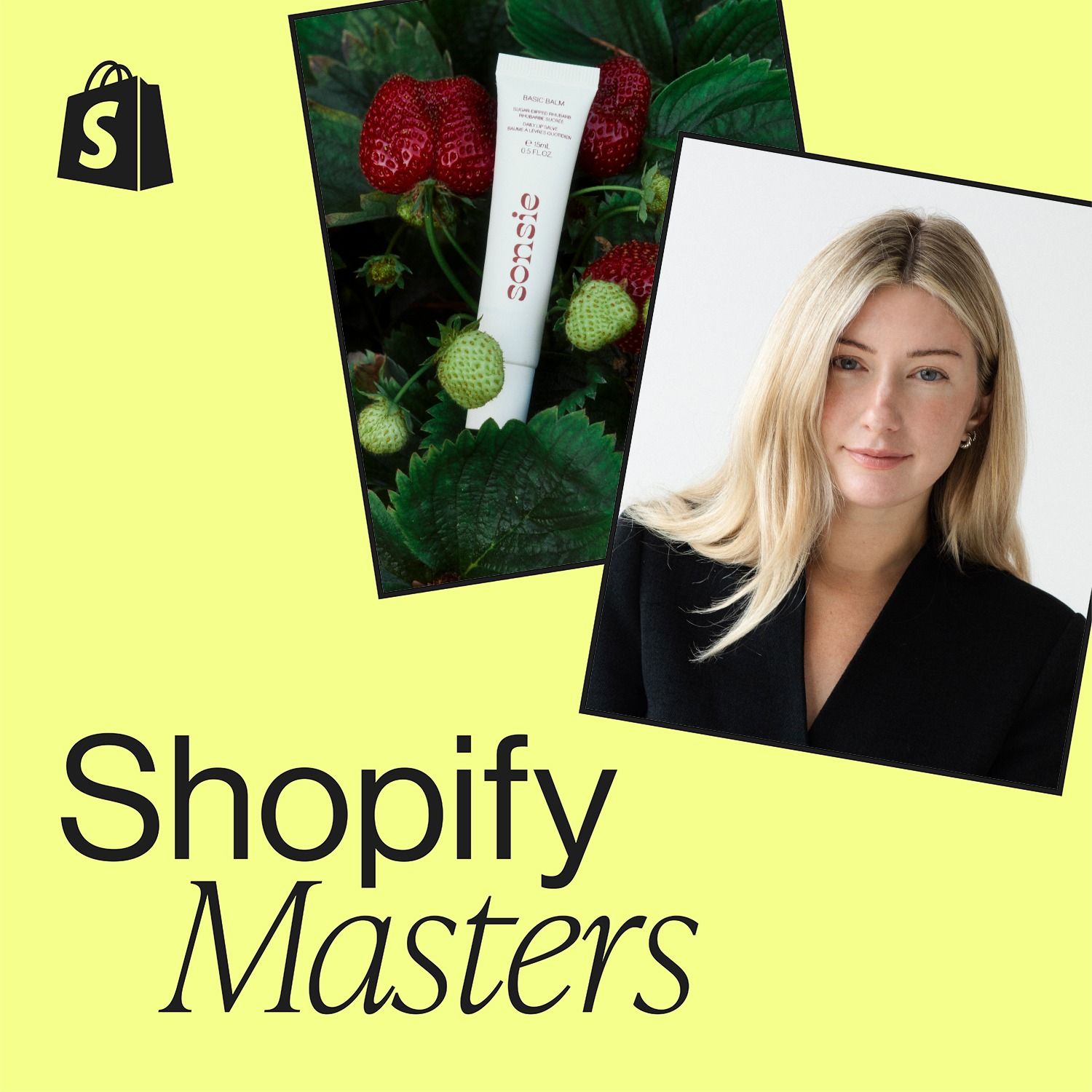
Contrary to the belief that clean beauty appeals primarily to younger demographics, 80% of Sonsie's customers are 45+. This audience, often transitioning from legacy luxury brands, is receptive to Sonsie's accessible price point, transparency, and high-performance formulas without heavy fragrances.
Jane Wurwand argues that the key to selling premium products is educating the consumer first. This approach builds trust and desire, making the consumer ready to buy rather than feeling sold to. This fundamental principle of building trust remains effective regardless of changing marketing channels like social media.

A UV-protective apparel brand struggled with customer education. The key insight from Ring's founder was to reframe the product's competition from other clothing to sunscreen. This unlocks a new marketing strategy: sell the shirts in the sunscreen aisle to leverage existing consumer awareness.
The success of science-first brands like OneSkin signals a market shift. The Millennial obsession with "clean, natural, organic" is giving way to a new focus on "clinical," lab-proven efficacy. This trend is visible across beauty (Botox), wellness (Ozempic), and food (protein additives), favoring chemistry and results over purity.

Lancer Skincare combatted its "your mother's brand" image by introducing the founder's daughter as a secondary, more relatable face. This persona complements the authoritative founder, making the brand feel more approachable to younger generations without sacrificing credibility.
When selling to teens where parents are the buyers, the core marketing message should be fear-based education for parents. Highlight the dangers of alternatives to create an imperative for them to purchase your safer product.
There is a clear generational divide in who consumers trust for beauty advice. Gen Z consumers view influencers and Key Opinion Leaders (KOLs) as their primary experts. In contrast, Millennials still place their trust in traditional authorities like dermatologists, trichologists, and professional salon stylists, requiring different marketing approaches.
For specialized products, user motivation is more critical than age or location. Focusing on the user's mindset, life stage, and readiness for change (psychographics) can lead to significantly higher engagement and retention than targeting a broad demographic group that may not be ready for the solution.