Get your free personalized podcast brief
We scan new podcasts and send you the top 5 insights daily.
Without positive mentors, Todd Graves formed his company culture by creating a "not-to-do" list. He observed militant, joyless kitchens and decided his restaurants would have the opposite: music, casual uniforms, and a focus on fun and teamwork, which became a core differentiator.

Related Insights
Eloquent mission statements are meaningless if not embodied by leadership's daily actions. A toxic culture of vengeance and blame, driven by the leader, will undermine any stated values. Employees observe how people are actually treated, and that reality defines the culture.

Instead of starting from a theoretical blueprint, WCM's leaders observed a dysfunctional culture and systematically did the opposite. This "inversion" model created a foundation of open offices, shared equity, and transparent pay, turning a cautionary tale into a roadmap for success.

Instead of imposing top-down values, Gamma's CEO created a "notebook" of behaviors that team members organically praised in each other. These observed, authentic actions became the foundation of their culture deck, ensuring the values reflected reality.
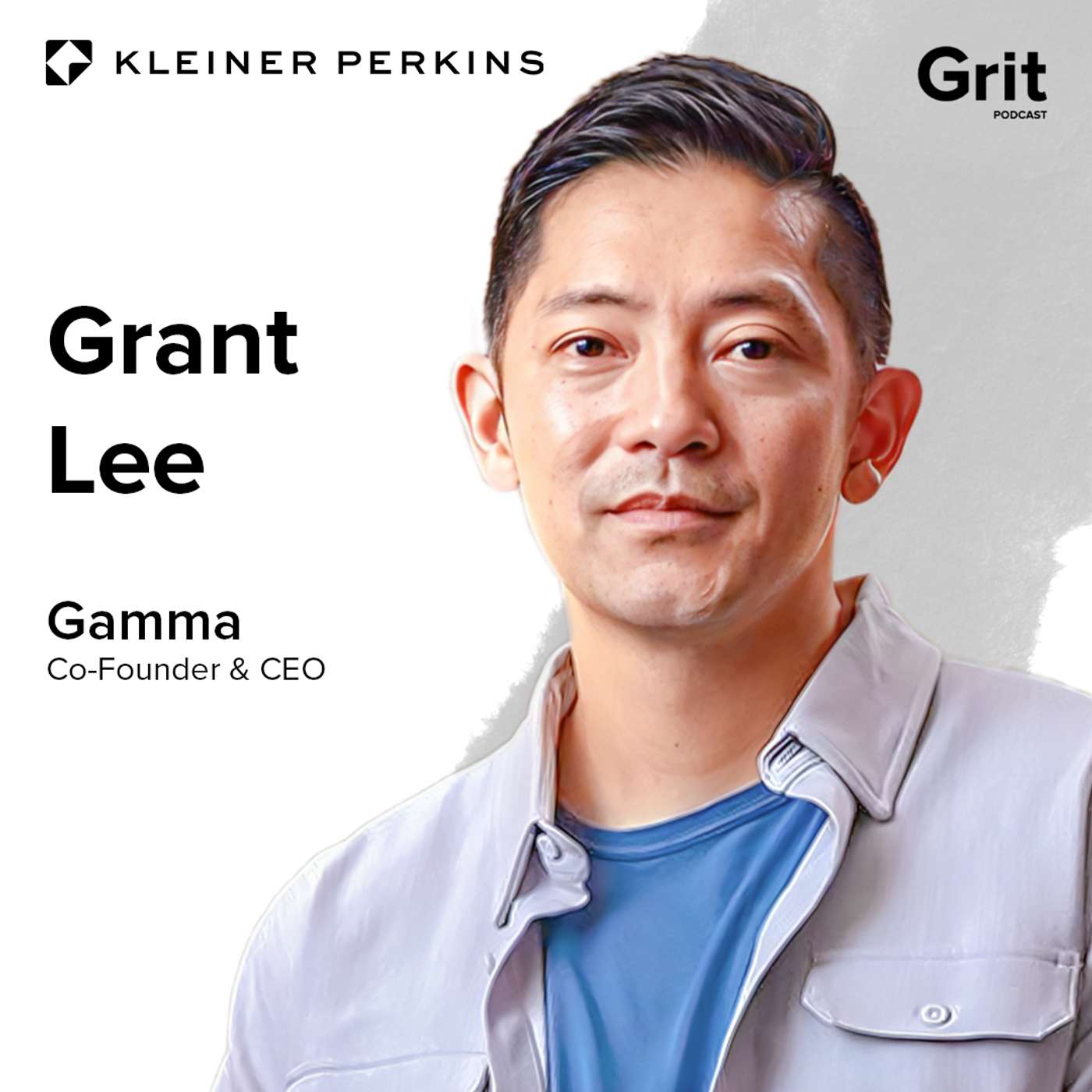
Roughly 80% of a company's culture is a direct extension of its founder's personality. Facebook reflects Mark Zuckerberg's hacker mindset; Google reflects its founders' academic roots. As a leader, your role isn't to change the culture but to articulate it and build systems that scale the founder's natural way of operating.
Instead of starting from a textbook, WCM developed its effective culture by identifying the negative traits of its original founder's regime—control, opacity, and stinginess—and deliberately doing the opposite. This 'inversion' method provides a powerful, practical template for cultural transformation.
Culture isn't created by top-down declarations. It emerges from the informal stories employees share with each other before meetings or at lunch. These narratives establish community norms and create "shared wisdom" that dictates behavior far more effectively than any official communication from leadership.

Culture isn't an abstract value statement. It's the sum of concrete behaviors you enforce, like fining partners for being late to meetings. These specific actions, not words, define your organization's true character and priorities.

Instead of asking "what culture do we want?", BBDO asked "what are the characteristics of people who do best here?". This approach reverse-engineers a culture based on proven success, creating a practical and authentic behavioral language for the entire organization.

As former Home Depot CEO Frank Blake said, 'You get what you celebrate.' Publicly recognizing and telling stories about specific employees who embody desired values is a more effective culture-shaping tool than writing rules. It re-shapes the entire organization's mental model of what success looks like.
Todd Graves anticipates a future where competitors use "friendly robots" for service. He sees this not as a threat but an opportunity. As the industry automates, having real, happy people cooking and serving food will become an even stronger competitive differentiator, reinforcing their brand's focus on culture.