Get your free personalized podcast brief
We scan new podcasts and send you the top 5 insights daily.
Instead of starting from a theoretical blueprint, WCM's leaders observed a dysfunctional culture and systematically did the opposite. This "inversion" model created a foundation of open offices, shared equity, and transparent pay, turning a cautionary tale into a roadmap for success.

Related Insights
Eloquent mission statements are meaningless if not embodied by leadership's daily actions. A toxic culture of vengeance and blame, driven by the leader, will undermine any stated values. Employees observe how people are actually treated, and that reality defines the culture.

WCM realized its intensely caring culture risked becoming too soft, potentially enabling underperformance. They consciously implemented a practice of 'truth-telling'—having direct, difficult conversations about performance—as a necessary counterbalance to maintain high standards and ensure accountability.
Identifying a company's stated values is insufficient. WCM's research evolved to analyze the social mechanisms that reinforce desired behaviors, turning values into a "cult." They found that many companies espouse the same behaviors, but only the best have the rituals and systems to make them stick.
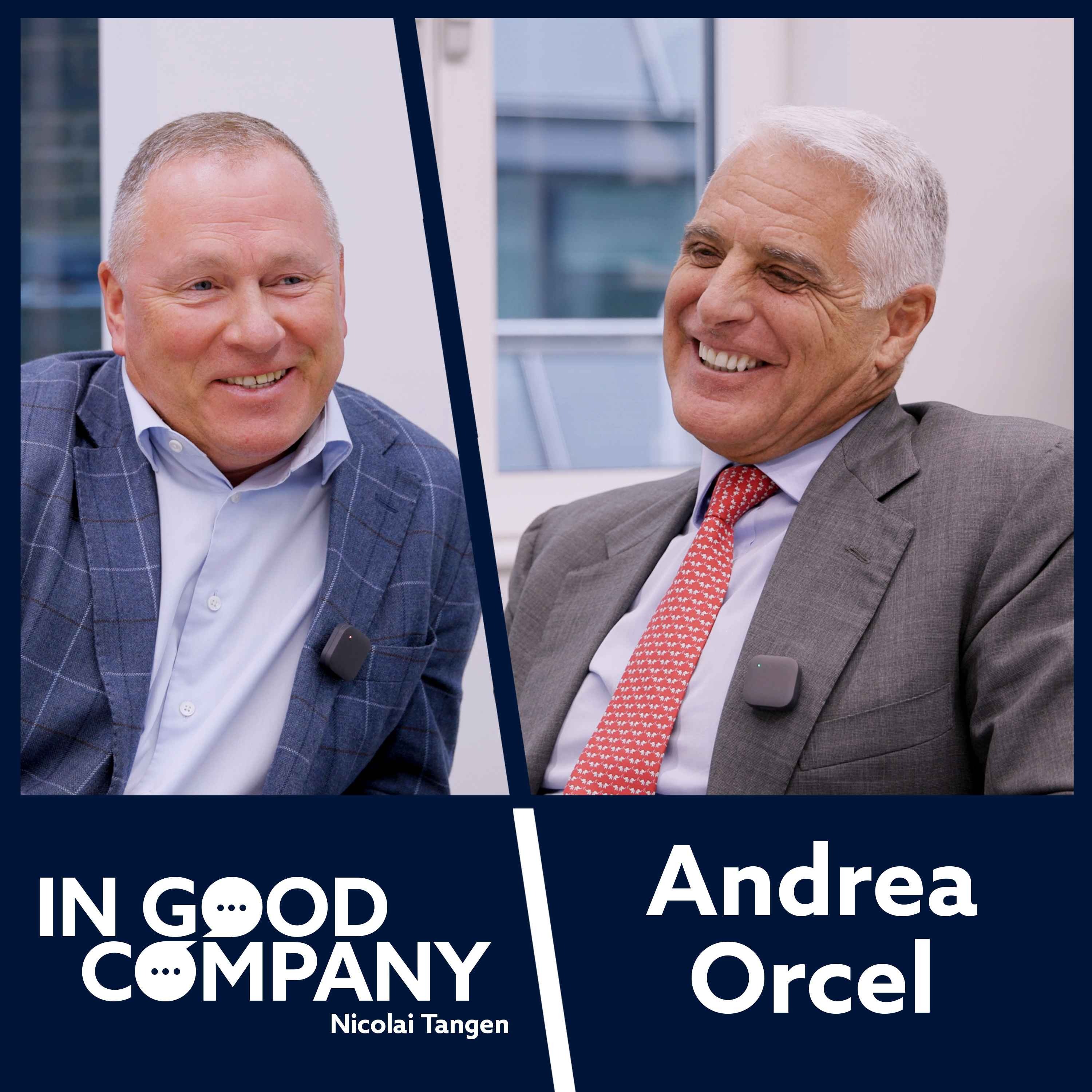
Radically changing a large company's culture is a decade-long endeavor. A faster, more effective approach is to identify the organization's existing positive cultural DNA. The UniCredit CEO interviewed over 20,000 employees to find their core values, then built his transformation strategy to amplify those strengths.
Contrary to common belief, WCM's culture became stronger as it grew to 100 employees. This was achieved by having leaders and a Chief Culture Officer who constantly model key behaviors. This creates a self-replicating effect that scales more effectively than top-down systems or processes.
WCM's operating principle is to place employees in roles before they've proven themselves. This "over-trust" leverages the human reflex of reciprocity. Feeling trusted, employees rise to the occasion, take initiative, and deliver exceptional results without needing rigid oversight.
Instead of starting from a textbook, WCM developed its effective culture by identifying the negative traits of its original founder's regime—control, opacity, and stinginess—and deliberately doing the opposite. This 'inversion' method provides a powerful, practical template for cultural transformation.
Home Depot's culture inverts the traditional corporate pyramid. The most important person is the frontline employee interacting with the customer, not the CEO. This philosophy ensures that the entire organization is structured to support the people who directly create the customer experience and drive sales.
![Ken Langone - The American Dream - [Invest Like the Best, REPLAY] thumbnail](https://megaphone.imgix.net/podcasts/1fe2ef5a-b37c-11f0-8838-43577722245c/image/f7af01e84d1fadd97b79e0e584ccbca3.jpg?ixlib=rails-4.3.1&max-w=3000&max-h=3000&fit=crop&auto=format,compress)
Instead of asking "what culture do we want?", BBDO asked "what are the characteristics of people who do best here?". This approach reverse-engineers a culture based on proven success, creating a practical and authentic behavioral language for the entire organization.

As former Home Depot CEO Frank Blake said, 'You get what you celebrate.' Publicly recognizing and telling stories about specific employees who embody desired values is a more effective culture-shaping tool than writing rules. It re-shapes the entire organization's mental model of what success looks like.