Get your free personalized podcast brief
We scan new podcasts and send you the top 5 insights daily.
New brand managers often change successful strategies just to put their personal stamp on the brand. A long-tenured agency partner can act as a vital custodian of brand equity, leveraging their deep institutional knowledge to push back against short-sighted, unnecessary changes and maintain consistency.

Related Insights
CMOs are caught in a structural trap. They understand the importance of long-term brand building, but with short job tenures, they are incentivized to focus on measurable performance marketing that shows results on their watch, even at the expense of the brand's future.

A key, unspoken role of a marketing agency is to provide political cover for the in-house leader. The agency can act as the "voice of reason," holding the line on unpopular but necessary strategic changes and using their broad industry experience as justification, thus absorbing the internal friction.

The short tenure of most CMOs leads to frequent agency changes. Yorkshire Tea's multi-year relationship with its creative shop shows that longevity allows creative teams to build on past successes, creating a compounding effect that deepens brand work.
CMOs often fire their agency to create an illusion of progress. However, unless the client's internal processes and risk tolerance change, the work won't get better. The best campaigns are built on long-term, trust-based partnerships, as constant change prevents the deep collaboration needed for breakthrough work.
Maintaining a brand's core positioning over decades requires evolving tactics. As cultural meanings shift, what once communicated "cool" or "sporty" can become outdated. Brands must adapt their execution to stay consistent with their original promise.
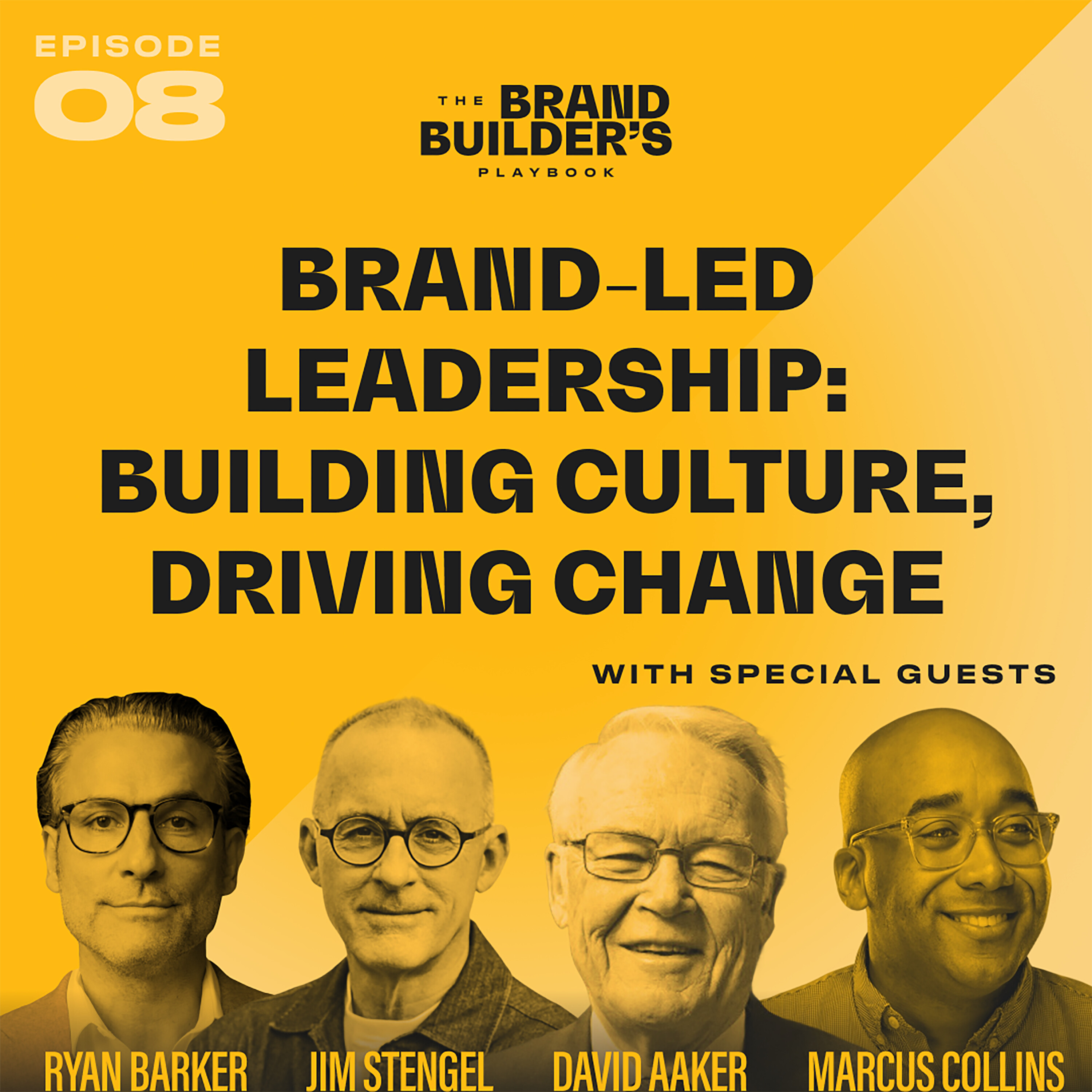
Reacting to a regression towards tactical performance marketing, branding expert David Aaker introduced his "Five Bs" framework (Relevance, Image, Loyalty, Portfolio, Equity). It reminds leaders that brand is a long-term asset and notably includes "Brand Portfolio" to emphasize that a strong brand rarely stands alone, requiring co-brands and endorsers.
Marketers at established companies should act as gardeners, not builders. Their role is to carefully prune and nurture the brand's existing assets (logos, colors, slogans) that are proven to thrive, rather than constantly destroying the old to plant something new and unproven.
Data covering a 10-year period shows that brands with consistent agency relationships produce better creative and achieve a higher ROI year-over-year. Frequently changing agencies forces a reset to 'base camp', causing performance to flatline.
A brand's long-term health depends on leaders viewing themselves as stewards, not owners. This mindset allows the brand to have its own life, adapt, and evolve—much like a child growing into its own person—ensuring it can survive beyond the founder's direct control.

The defining characteristic of a great agency relationship isn't just delivering work, but true integration. They should feel like an extension of the internal team—challenging existing ideas, helping the team grow, and working as a complementary partner rather than a transactional vendor.