Get your free personalized podcast brief
We scan new podcasts and send you the top 5 insights daily.
To overcome skepticism about buying guitars online, Sweetwater inspects every instrument with a 55-point check. They then photograph each unique guitar, list its exact weight, and post the details online, giving customers confidence to buy sight-unseen.

Related Insights
When Trader Joe's refused to provide a product catalog, the Instacart team spent $20,000 to buy one of every single item in the store. They then photographed everything to create the catalog themselves, an unscalable action that unlocked a key retailer and helped find product-market fit.
Unlike competitors who immediately quote prices, Sweetwater trains its sales engineers to delay price discussions. They focus first on understanding the customer's needs to ensure the product is a perfect fit, turning transactions into consultations.
Buyers are skeptical of perfection. By proactively sharing your solution's flaws, you align with their natural process of seeking out negative reviews. Todd Caponi calls this being 'flawsome.' This builds trust, shortens sales cycles, and helps buyers make decisions faster.

To scale, Deliver needed a self-serve system for a high-stakes transaction: taking custody of a merchant's entire inventory. They achieved this by building systems that fostered trust through radical transparency, like photo evidence for discrepancies. This proved self-serve can work for complex, high-trust sales.

Instead of competing on price against giants like Amazon, Sweetwater focused on extraordinary service. Every customer gets a dedicated, highly-trained "sales engineer," building long-term relationships and trust that transcend price.
The fastest way for a seller to build trust is to be radically transparent, sharing information and data beyond what the buyer asks for. Voluntarily disclosing challenges, risks, and "warts" makes the positive aspects of the business more credible and signals that the seller is not hiding anything.

When launching a new business model that requires customer trust (like selling sight-unseen equipment), create case studies by providing unsustainable guarantees to the first ~50 clients. Use escrow or personal guarantees. The goal is to create examples and social proof to attract future customers.

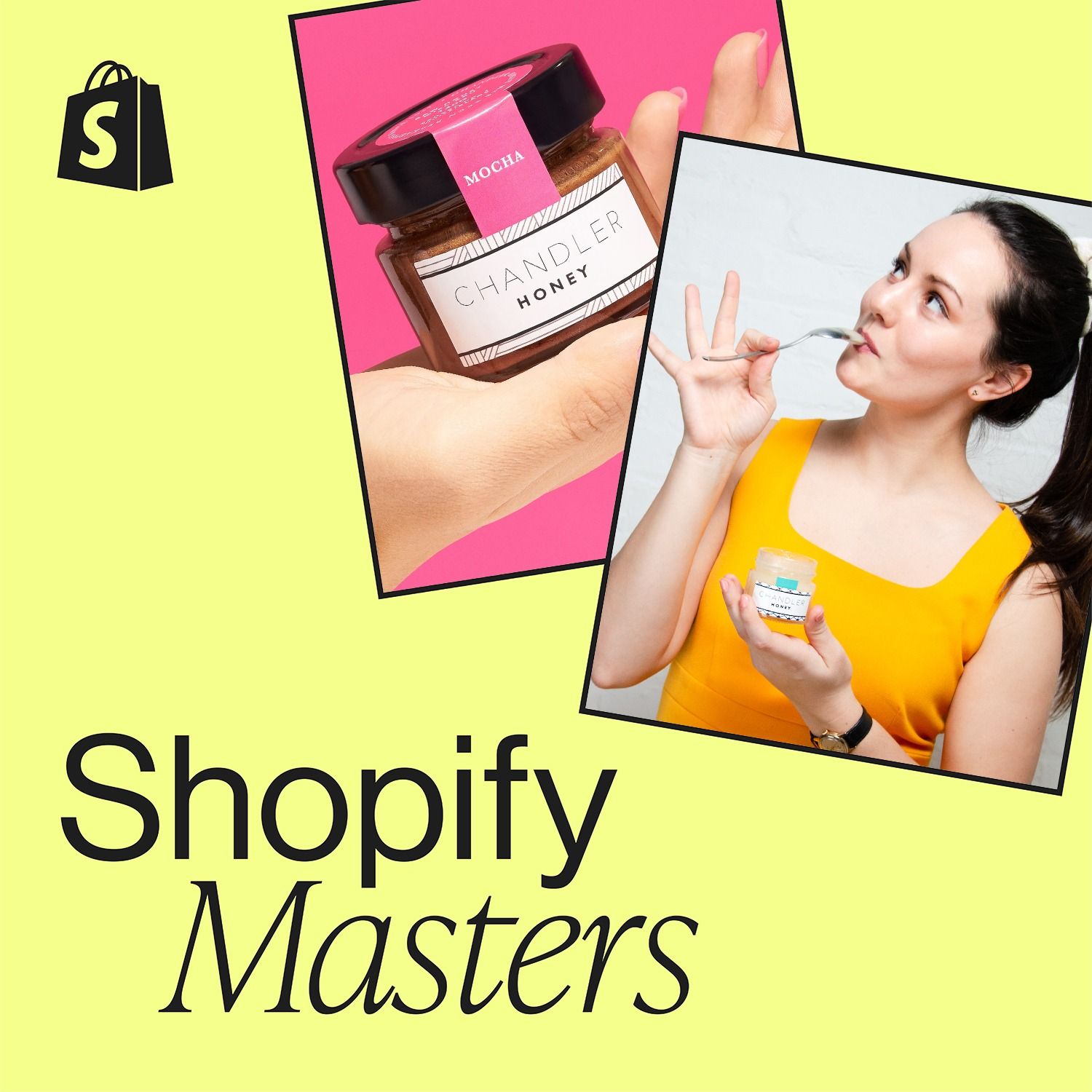
For her online-only launch, the founder invested heavily in professional product photography before making any sales. She reasoned that since customers couldn't taste the honey, visual appeal was paramount and credits this day-one investment for her successful launch.
The company deliberately recruited music gear enthusiasts, not traditional sales reps. They were trained to present options and jointly find the right solution with the customer, rather than pushing for a hard close, which built immense trust.
In 1994, Sweetwater's website was purely educational, with no e-commerce functionality. This was a deliberate strategy to funnel potential buyers into phone calls, ensuring sales engineers could provide expert advice and build crucial relationships.