Get your free personalized podcast brief
We scan new podcasts and send you the top 5 insights daily.
Creative work depletes an "inner well" of ideas and images. To avoid burnout ("drying up"), you must actively replenish it with a weekly, solo "artist's date"—a fun, frivolous activity. This scheduled play is not an indulgence but a non-negotiable part of the creative process, refilling the well so you can continue to produce.

Related Insights
For cognitive and creative pursuits, scheduled rest and renewal are not optional indulgences. They are critical for insight, creativity, and sustained performance. Activities like walking actively improve creative output.

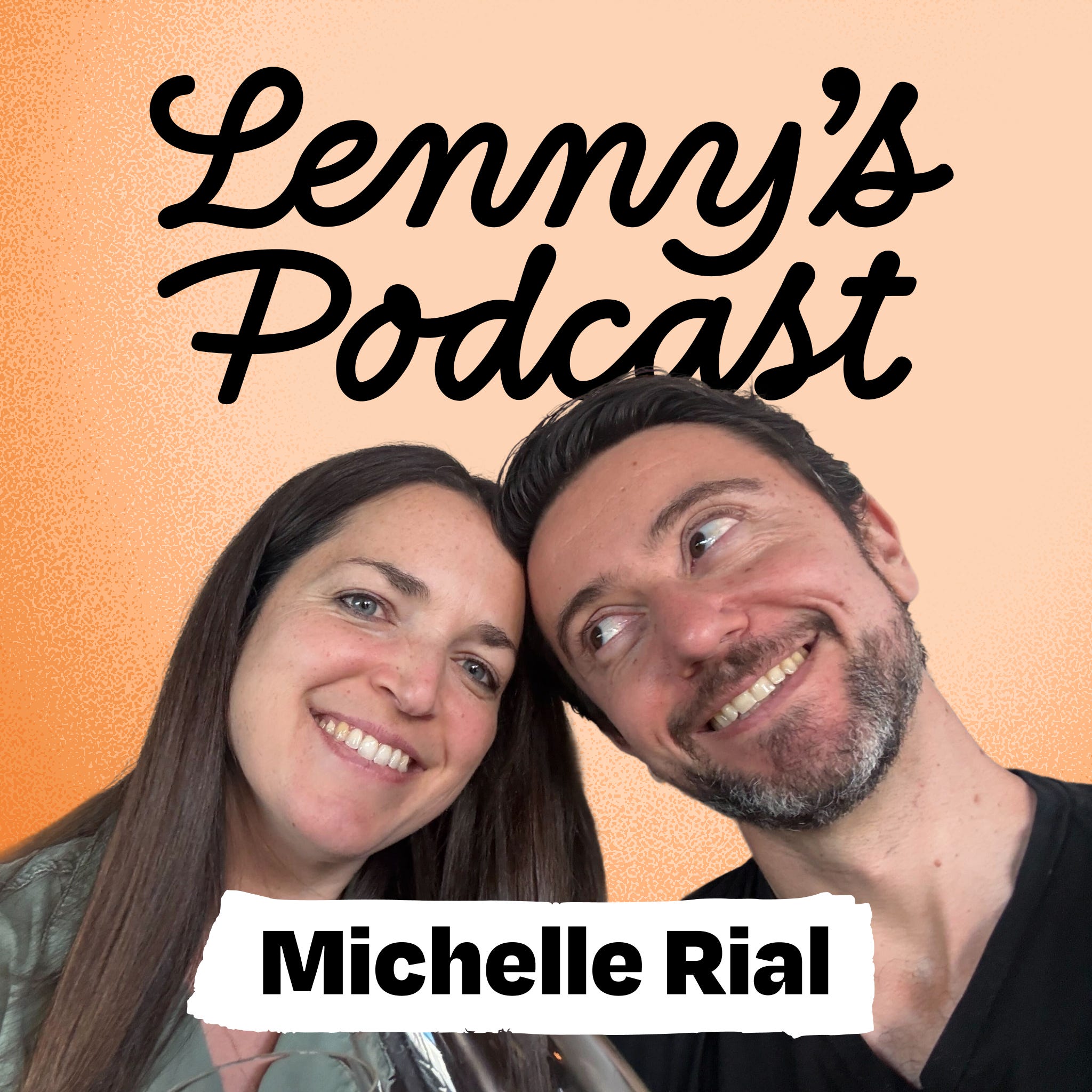
Artist Michelle Rial finds her creativity dries up when she focuses too hard on producing work. Her best ideas emerge from living life, observing the world, and processing her experiences. Creativity requires input from real life, not just scheduled output.
Effective scheduling isn't just about cramming tasks into time blocks. It's about aligning your activities with your natural energy levels. You can't force creativity or deep work. By scheduling tasks like writing or strategy during your peak creative hours, you achieve better outcomes than if you just followed a rigid, productivity-focused schedule.

Top creators don't wait for inspiration; they engineer it through structured rest. Activities like taking multiple showers (Sorkin), aimless boating (Einstein), or problem-solving walks (Darwin) look unproductive but are crucial for high-quality creative output. This contrasts with the modern tendency to brute-force solutions at a desk.

The speaker took a three-month break from burnout, not just to rest, but to engage in new experiences. This period of "me time" unexpectedly resulted in writing two books and creating new training programs, demonstrating that stepping away can be a powerful catalyst for creativity and productivity.

The best creative solutions often surface when you're not actively working. After absorbing project information, stepping away for days or weeks allows the subconscious to process and connect ideas, leading to stronger, more innovative outcomes than forced brainstorming.

Inspired by Maya Angelou's process, creative stamina can be managed by sequencing deep work ("big mind") with engaging, low-challenge activities like solitaire or crossword puzzles ("little mind"). This allows the mind to replenish its resources before diving back into demanding tasks.

Unlike administrative tasks, creative work can't be 'white-knuckled' through brute force. It requires a receptive state of mind, best cultivated by changing your environment, ensuring you're well-rested, and allowing for unstructured time away from stressful tasks.

Reframe creativity not as an artistic skill aimed at producing a quality output, but as a daily wellness habit like exercise or meditation. The goal isn't achievement but the mental and emotional benefits derived from the process itself, such as increased mental flexibility and reduced stress.

To combat creative blocks, recognize that the expectation of constant fresh ideas is self-imposed. The speaker argues that creative energy is fueled by external life experiences like hobbies and relationships. When work becomes the sole focus, the well of creative energy naturally runs dry.
