Get your free personalized podcast brief
We scan new podcasts and send you the top 5 insights daily.
In the current AI hype cycle, a developer's reputation is built on memorable work. Creating a clever, viral, or even prank-like project serves as a better 'calling card' for one's career than pitching another generic SaaS idea. The era rewards playful and unexpected uses of technology.

Related Insights
AI tools are commoditizing the act of writing code (software development). The durable skill and key differentiator is now software engineering: architecting systems, creating great user experiences, and applying taste. Building something people want to use is the new challenge.

To accelerate learning in AI development, start with a project that is personally interesting and fun, rather than one focused on monetization. An engaging, low-stakes goal, like an 'outrageous excuse' generator, maintains motivation and serves the primary purpose of rapid skill acquisition and experimentation.

As AI makes software creation faster and cheaper, the market will flood with products. In this environment of abundance, a strong brand, point of view, taste, and high-quality design become the most critical factors for a product to stand out and win customers.

AI tools are dramatically lowering the cost of implementation and "rote building." The value shifts, making the most expensive and critical part of product creation the design phase: deeply understanding the user pain point, exercising good judgment, and having product taste.

True success with AI won't come from blindly accepting its outputs. The most valuable professionals will be those who critically evaluate, customize, and go beyond the simple, default solutions offered by AI tools, demonstrating deeper thinking and unique value.

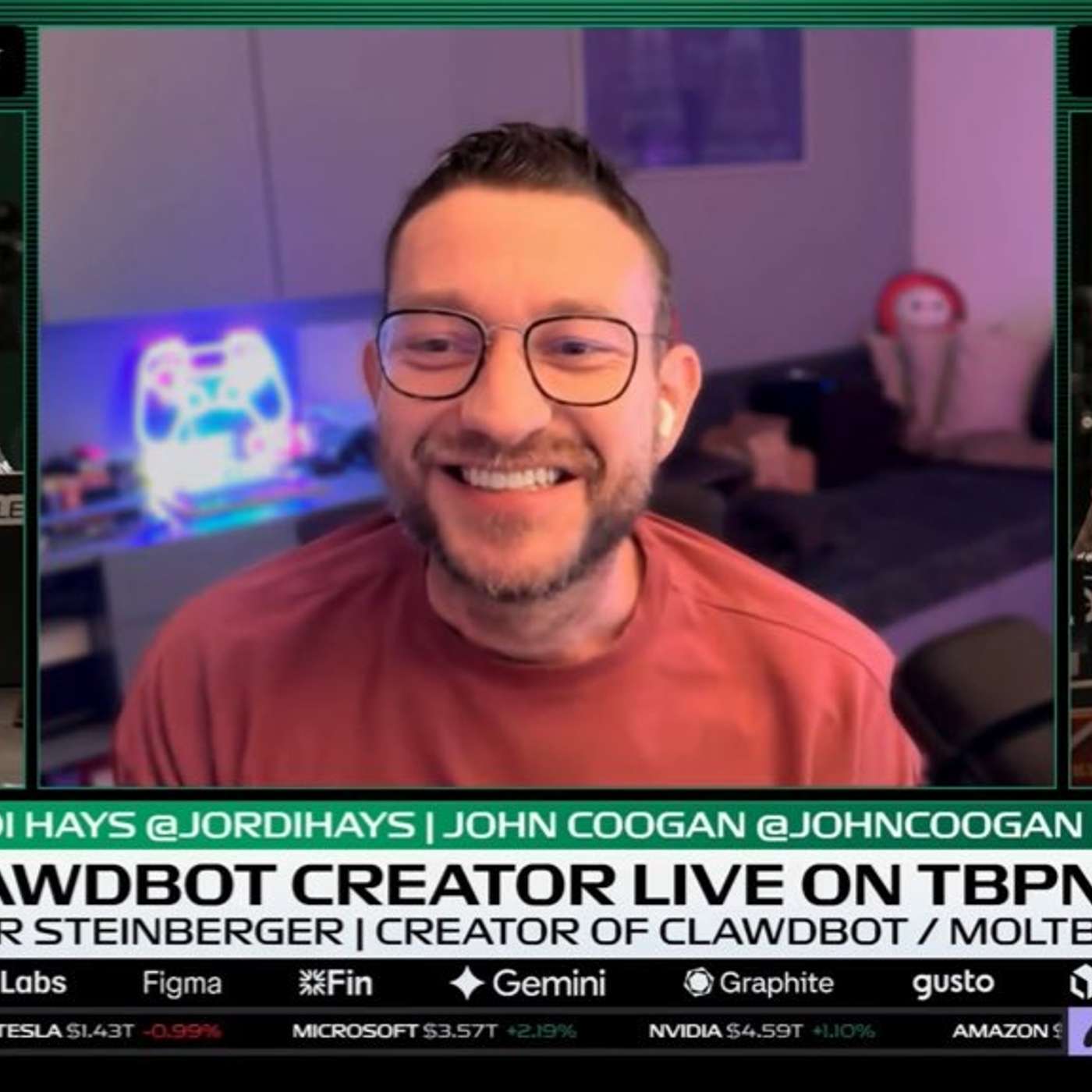
Despite massive traction and investor interest, the creator of the viral AI agent Moltbot insists his primary motivation is having fun and inspiring others, not making money. This philosophy informs his decision to keep the project open-source and resist forming a traditional company, showcasing an alternative path for impactful tech.
As AI makes the act of writing code a commodity, the primary challenge is no longer execution but discovery. The most valuable work becomes prototyping and exploring to determine *what* should be built, increasing the strategic importance of the design function.

After building numerous AI tools, Craig Hewitt realized many popular applications (e.g., AI avatars, voice cloning) are worthless novelties. He pivoted from creating flashy tech demos to focusing only on building commercially viable products that solve tangible business problems for customers.

Technical implementation is becoming easier with AI. The critical, and now more valuable, skill is the ability to deeply understand customer needs, communicate effectively, and guide a product to market fit. The focus is shifting from "how to build it" to "what to build and why."
There is a growing gap between the entertainment value of building with AI tools—likened to playing with Legos—and the actual, sustained utility of the creations. Many developers build novel applications for fun but rarely use them, suggesting a challenge in finding true product-market fit.