Get your free personalized podcast brief
We scan new podcasts and send you the top 5 insights daily.
The Founders Fund concentration model is widely copied, but its success hinges on a difficult truth: most funds won't contain a SpaceX. The critical skill is the discipline to *not* force a massive bet on your "best" company if it isn't truly generational.
Related Insights
For a seed fund, the initial check is less critical than subsequent follow-on decisions. Driving top-tier returns requires a reserve-heavy model to pile capital into the 5-10% of portfolio companies that demonstrate breakout potential, as these few winners will generate the lion's share of returns.

Venture capital returns follow a power law distribution, meaning a fund's entire performance is often determined by one or two massive outliers. New investors should prioritize finding companies with grand-slam potential over building a portfolio of modest, base-hit successes, as it's the big wins that drive everything.

Successful concentration isn't just about doubling down on winners. It's equally about avoiding the dispersion of capital and attention. This means resisting the industry bias to automatically do a pro-rata investment in a company just because another VC offered a higher valuation.

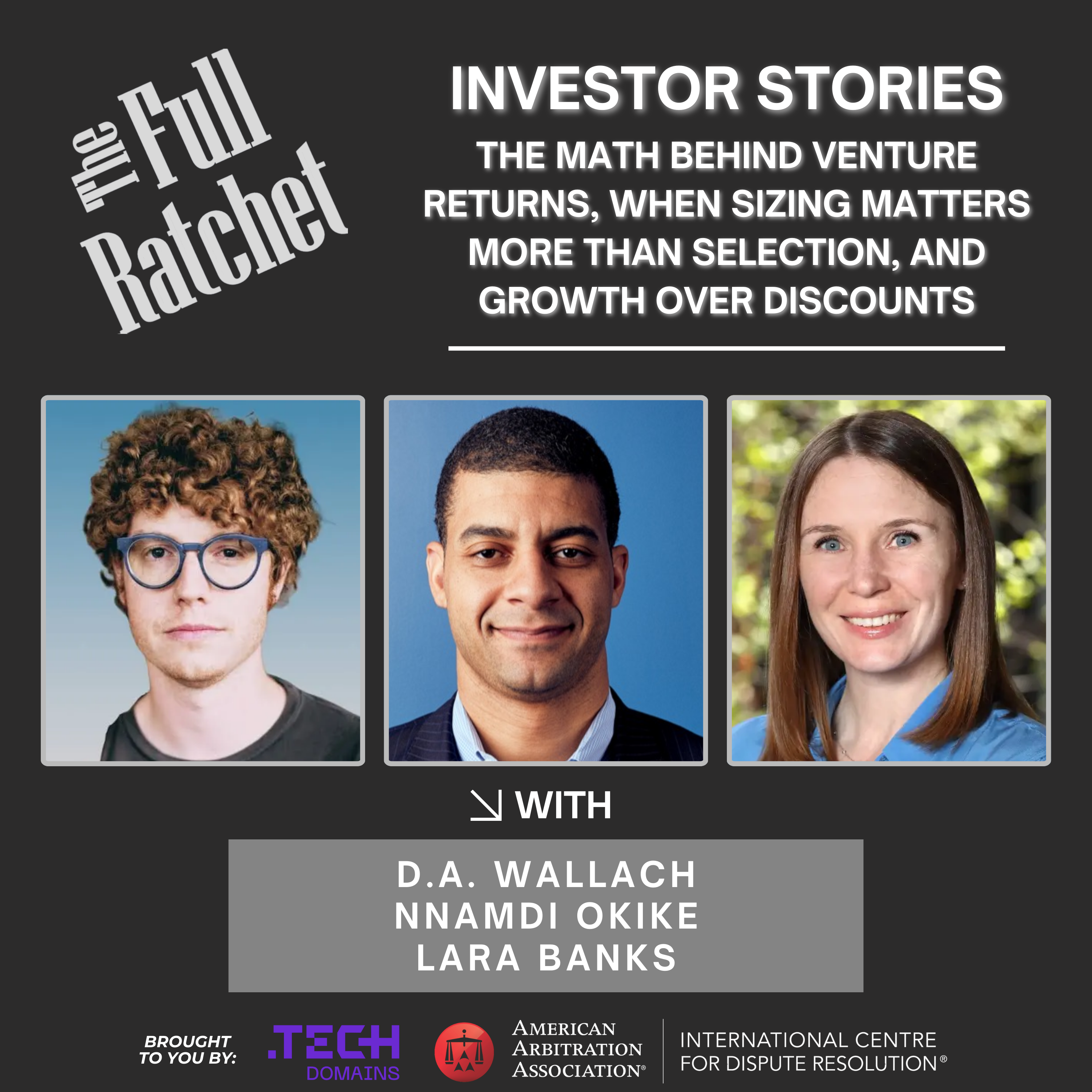
Even with big wins, a venture portfolio can fail if not constructed properly. The relative size of your investments is often more critical than picking individual winners, as correctly sized successful investments must be large enough to overcome the inevitable losers in the portfolio.
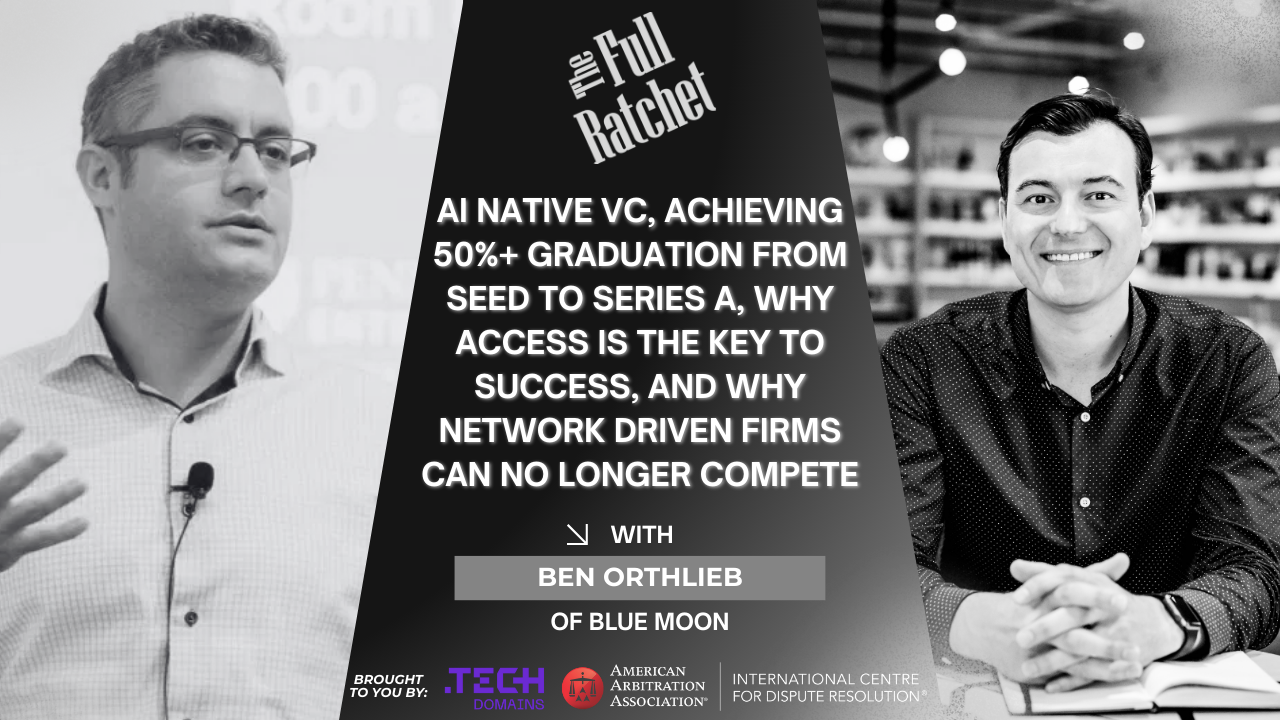
Contrary to the popular debate, venture is primarily an access game, not a picking game. The core challenge is building a system to see a high volume of exceptional founders and then win the allocation. Once that is achieved, selecting which ones to back becomes straightforward.
A successful seed fund model is to first build a diversified 'farm team' of 20-25 companies with meaningful initial ownership. Then, after identifying the breakout performers, concentrate heavily by deploying up to 75% of the fund's capital into just 3-5 of them.
Passing on a company you admire due to mismatched timing, valuation, or uncertainty is a difficult but crucial discipline. True investment judgment involves tracking a thesis over time and waiting for the right entry point, rather than just identifying a single good team or idea.

The success of a category is often driven by one exceptional company. Instead of diversifying across a hot sector like 'space tech,' investors generate better returns by concentrating capital in the clear winner, like SpaceX, which captures a disproportionate share of the market value.

Investors fixate on selecting the right companies, but the real money is made or lost in the decision of when to sell or hold a winning position. The timing of an exit can create a 100x difference in outcomes. Having a disciplined approach to portfolio management and liquidity is more critical to fund performance than the initial investment choice.

Most VCs can identify an 'A' founder versus a 'C' founder. The real game, where outlier returns are generated, is in the much harder task of discerning the generational 'A+' founder from the very capable 'A-' founder. Founders Fund was built on this.