Get your free personalized podcast brief
We scan new podcasts and send you the top 5 insights daily.
A successful seed fund model is to first build a diversified 'farm team' of 20-25 companies with meaningful initial ownership. Then, after identifying the breakout performers, concentrate heavily by deploying up to 75% of the fund's capital into just 3-5 of them.

Related Insights
The most successful venture investors share two key traits: they originate investments from a first-principles or contrarian standpoint, and they possess the conviction to concentrate significant capital into their winning portfolio companies as they emerge.

An analysis of 547 Series B deals reveals two-thirds return less than 2x. This data demonstrates that a "spray and pray" strategy fails at this stage. The cost of misses is too high, and being even slightly worse than average in your picks will result in a failed fund. Discipline and picking are paramount.

Successful concentration isn't just about doubling down on winners. It's equally about avoiding the dispersion of capital and attention. This means resisting the industry bias to automatically do a pro-rata investment in a company just because another VC offered a higher valuation.

Top growth investors deliberately allocate more of their diligence effort to understanding and underwriting massive upside scenarios (10x+ returns) rather than concentrating on mitigating potential downside. The power-law nature of venture returns makes this a rational focus for generating exceptional performance.

Acknowledging venture capital's power-law returns makes winner-picking nearly impossible. Vested's quantitative model doesn't try. Instead, it identifies the top quintile of all startups to create a high-potential "pond." The strategy is then to achieve broad diversification within this pre-qualified group, ensuring they capture the eventual outliers.

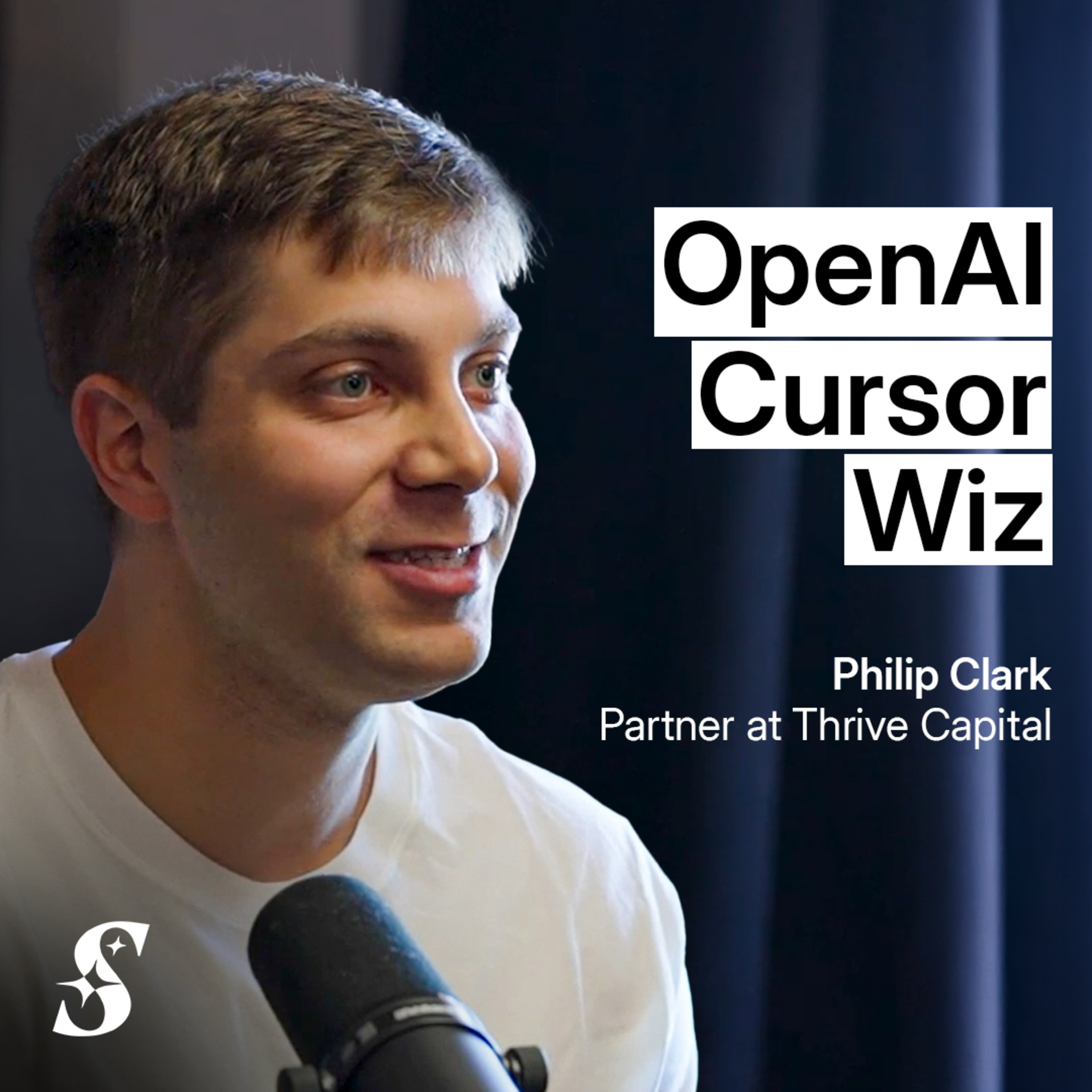
Thrive Capital's strategy of making a few large bets is not just for financial returns. It's an ideological choice to align with "life's work founders" for whom their startup is a portfolio of one. This ensures every win feels great and every loss hurts, creating true skin in the game.
Seed-focused funds have a powerful, non-obvious advantage over multi-stage giants: incentive alignment. A seed fund's goal is to maximize the next round's valuation for the founder. A multi-stage firm, hoping to lead the next round themselves, is implicitly motivated to keep that valuation lower, creating a conflict of interest.

The dominant VC narrative demands founders focus on a single venture. However, successful entrepreneurs demonstrate that running multiple projects—a portfolio approach mirrored by VCs themselves—is a viable path, contrary to the "focus on one thing" dogma.

Thrive Capital rejects traditional VC diversification, instead making massive, concentrated bets on what it deems the best-in-class assets, like its $2 billion investment in Stripe. This 'buy the best' approach, focusing on significant ownership in top-tier companies, has been central to its outsized returns.

To overcome fierce competition in seed rounds, Offline Ventures allocates 20% of its fund to an internal studio. This capital pays for incubating ideas, which, if successful, result in the fund owning ~33% of the company, compared to the typical ~10% from a standard investment.
