Get your free personalized podcast brief
We scan new podcasts and send you the top 5 insights daily.
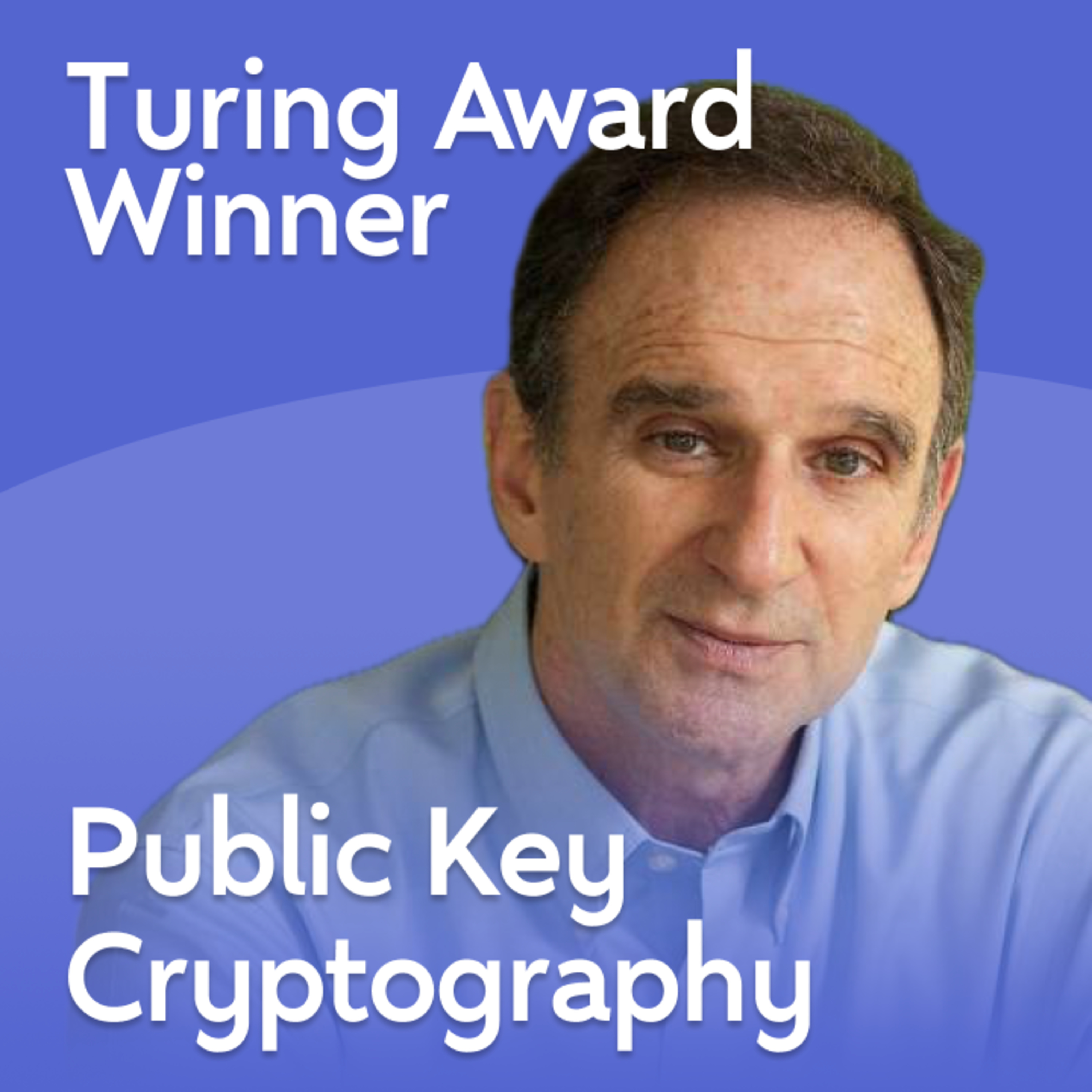
When threatened by the NSA, Martin Hellman presented his students' papers himself because Stanford's legal protection was guaranteed for him but not them. By absorbing the risk, he protected his students' careers while ensuring their work was recognized.
Related Insights
Contrary to conventional wisdom, a distinguished engineer advises senior engineers to delegate the most challenging, interesting work. They should instead take on necessary but unglamorous tasks, which builds immense credit and allows junior engineers to grow faster on high-impact problems.

NFL QB Steve Young explains that after a mistake, the instinct is to mitigate blame with facts (e.g., a teammate erred). But true leadership means taking ultimate ownership—'the ball was in my hands, now it's in theirs.' This vulnerability builds trust and makes accountability contagious across the team.

Lawyers are paid to minimize legal risk. A CEO's unique role is to balance that counsel against other crucial factors like customer trust, employee morale, and future opportunities. Ceding decision-making entirely to the legal team is a failure of leadership that can lead to catastrophic, albeit less immediately visible, losses.

AIG's CEO uses the "it's on me" card sparingly. He reserves it for truly transformative moments where he has massive conviction but faces team reluctance. Overusing it creates a top-down culture where the leader makes all decisions, undermining team ownership and accountability. It's a tool for pivotal moments, not daily management.
Breakthroughs in national security don't just come from iconoclastic founders. They depend on senior leaders within the system who recognize their value and actively shield them from the bureaucracy that tries to expel them. Without this protection, heretical ideas die.

A key, often overlooked, function of leaders in high-growth groups is to act as a shield against internal company interference. This allows their teams to focus on innovation and execution rather than navigating organizational friction, which is a primary driver of top talent attrition.

When an experimental campaign failed, Edelman's CEO Richard Edelman protected the mid-level employee responsible. He framed the mistake as a necessary cost of innovation in a new field, explicitly telling the team to "keep pushing boundaries." This response fosters a culture where calculated risks are encouraged rather than punished.

For high-stakes initiatives, a single leader cannot be the expert in everything. Proactively build a 'dream team' of specialists from legal, marketing, and other domains. Leverage them as an internal advisory board to pressure-test ideas and ensure the process is sound, even if the outcome is uncertain.
![The Right Way to Prioritize [Replay] thumbnail](https://storage.buzzsprout.com/9xn5wg1i0ed9bwrk6slghdmijcr6?.jpg)
Reid Hoffman pushes back on the idea that business leaders should stay silent on political issues to avoid risk. He argues that feeling fear is the precise indicator that courage is required, and leaders have a responsibility commensurate with their power to speak up for society.
In fast-paced environments, leaders must make quick, high-conviction decisions. This practice absolves junior engineers of the fear of making costly mistakes, empowering them to execute rapidly and maintain development velocity without being paralyzed by risk.