Get your free personalized podcast brief
We scan new podcasts and send you the top 5 insights daily.
Instead of the vague advice to "follow your passion," identify the specific activities that give you energy. Jesse Cole focuses on "creating, sharing, and growing" because those tasks energize him, allowing him to work tirelessly and happily on his craft without burning out.

Related Insights
The pressure to find a singular, life-defining 'Big P' purpose (e.g., change the world) causes anxiety and sets you up for failure. Instead, focus on 'little P' purposes: the small, process-oriented daily activities that genuinely excite you and create a state of flow. This approach is more sustainable and fulfilling.

Stop suffering through work for a hypothetical future reward. Instead, choose projects you genuinely enjoy. This creates a powerful flywheel: enjoyment leads to constant practice, which builds expertise and ultimately delivers superior results. The work itself becomes the primary reward.

The key to long-term persistence is sustainability. Honnold contrasts activities that energize him (interviewing scientists) with those that drain him (corporate speaking). By doubling down on work that feels "expansive," you create the conditions to stay motivated and outperform others over the long haul.

Ferriss rejects "passion" as a vague guide for decision-making. He prefers "energy," a more concrete, biological metric. He asks simple questions: "Are you more awake or sleepy? Can you do this for another five hours?" This provides a clear yes/no signal for what activities or projects to pursue.

Instead of searching for a pre-existing passion, choose a path and commit to it. Purpose and passion emerge from the dedication you invest in your chosen work, rather than being something you discover externally. This reframes passion as an outcome of action, not a prerequisite for it.
For two weeks, nightly log the five activities that energized you and the five that drained you. This simple practice reveals your core strengths and "gifts." By analyzing these patterns, you can intentionally redesign your role and responsibilities to spend more time on energizing tasks, actively combating burnout.

Common advice to "follow your passion" is backward. Developing valuable skills and applying them to help others is what generates lasting fulfillment and passion. Chasing pre-existing interests often leads to hyper-competitive and ultimately unsatisfying fields.

Founders often focus on their passions but remain stuck in draining tasks. The key to advancing from operator to owner is to first identify and eliminate the work you never want to do again. This clarity is what unlocks the capacity to focus on high-value, enjoyable work.

The advice to "follow your passion" gets the process backward. A more reliable path to a fulfilling career is to first focus on becoming highly skilled at something that helps others. Passion is not the starting point but rather the outcome that emerges from competence, mastery, and making a tangible impact.

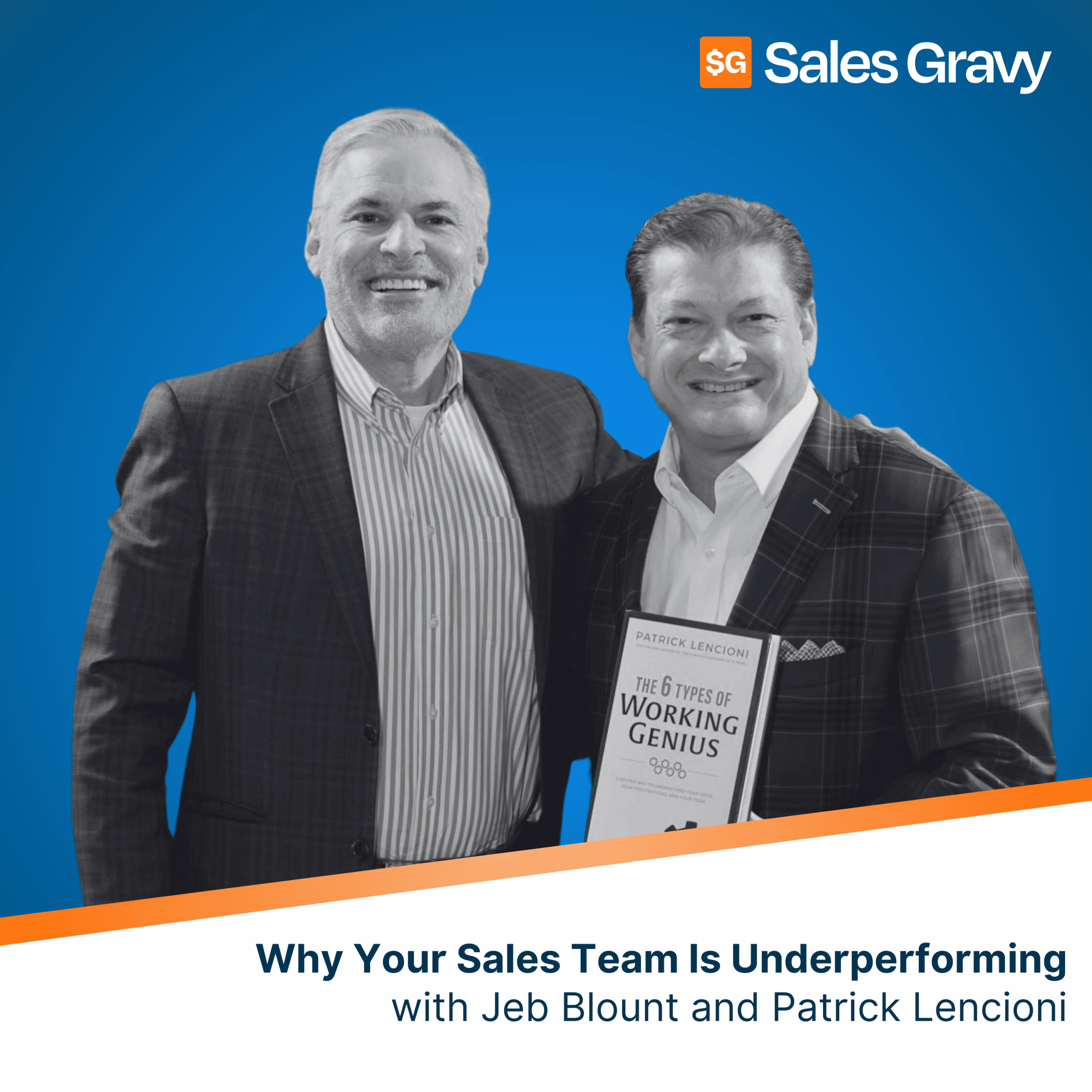
Burnout is often misdiagnosed as a symptom of overwork. The Working Genius model suggests it's actually caused by spending too much time on tasks that fall outside your natural areas of genius and in your areas of frustration. Work that aligns with your genius can be energizing, even after long hours.