Get your free personalized podcast brief
We scan new podcasts and send you the top 5 insights daily.
When fruit grower Driscoll's expanded to China, it faced a unique form of intellectual property theft. Competitors didn't just copy methods; they physically stole patented blueberry plants, propagated them, and used state-backed financing to scale. This quickly turned China into the world's top producer, crashing prices and profits.

Related Insights
China’s biotech rise is fueled by its 'first to file' patent system. Companies feed newly published patents into computers to design trivially different but functionally identical molecules, effectively creating a 'shadow generic industry' that undermines IP.

Western narratives often attribute China's manufacturing success to cheating via IP theft or subsidies. The deeper advantage lies in a dense ecosystem of skilled labor and components, massive infrastructure, and a brutally competitive domestic market that forges strong, efficient companies.
The value of a patent extends beyond simple protection. It allows a company to escape commoditization and command higher prices. For startups, patents are tangible assets that justify higher valuations. In legal disputes, they provide crucial leverage for negotiating settlements with competitors.

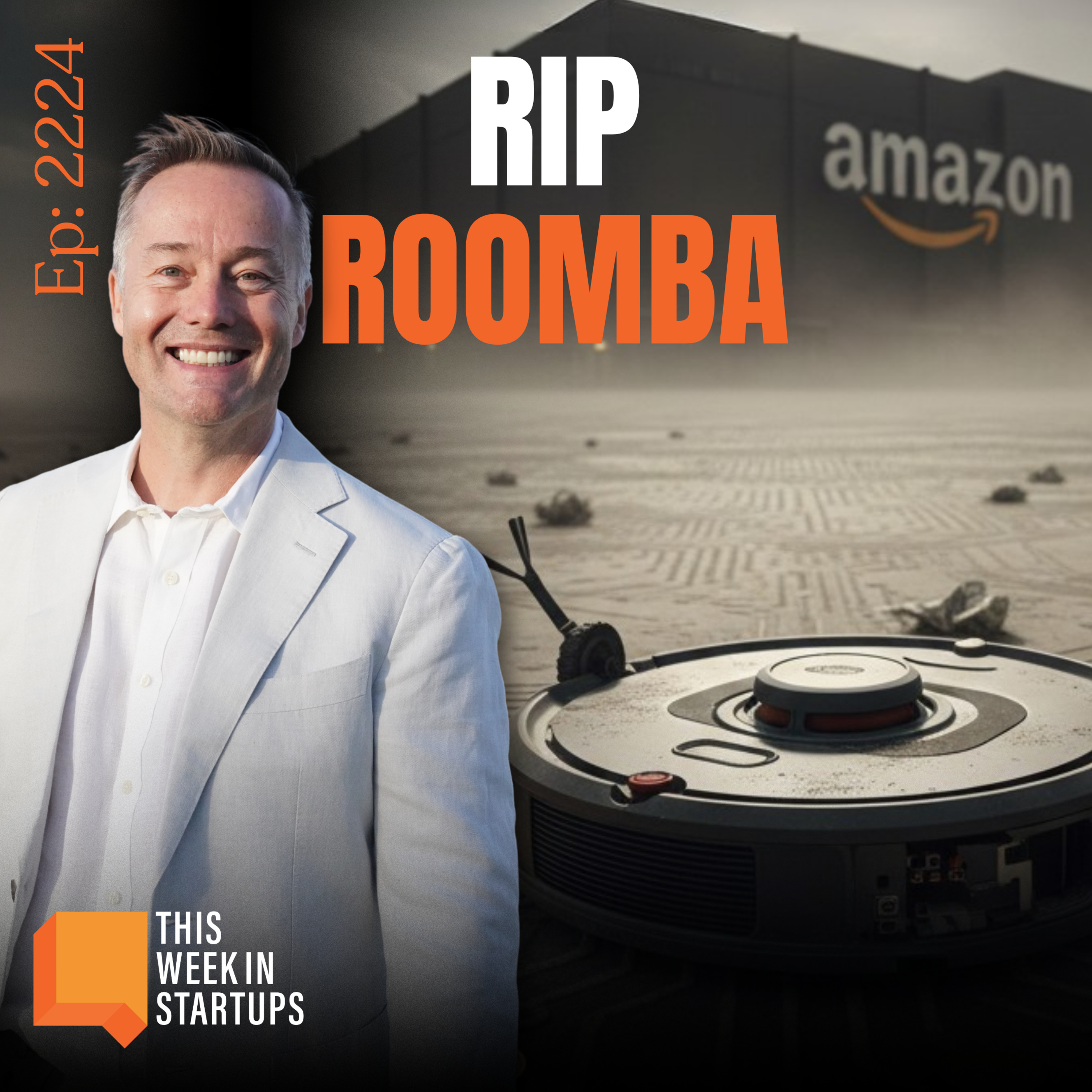
After regulators blocked Amazon’s $1.7B acquisition of iRobot, the robotics company went bankrupt. Its assets and IP were then acquired by its Chinese contract manufacturer, illustrating how antitrust actions intended to protect competition can inadvertently destroy American companies and cede technology to foreign entities.
Faced with exact counterfeit products, Scrub Daddy hired a private investigator to film a factory in China. They then used this evidence to get the Chinese government to raid the facility and seize the inventory, showcasing an aggressive approach to protecting intellectual property.

US officials and AI labs allege Chinese firms are engaged in industrial-scale IP theft. They reportedly use fraudulent accounts to extract capabilities from US models like Claude to train their own, creating a facade of domestic innovation.

With Chinese biotechs developing therapies at unprecedented speed, a Western startup's primary defense is carefully managing its intellectual property. This requires being highly strategic about when to file patents, what to publish, and what to share publicly, as any information can be rapidly replicated by fast-moving global competitors.

The old narrative of China's IP theft is outdated. Today, China's competitive advantage in sectors like biotech comes from its massive scale, significant resources, and collective lack of profit sensitivity. This combination allows it to dominate industries and destroy profitability for other global players, as previously seen in solar and EVs.

A groundbreaking study reveals a hidden strategy behind China's tech ascent. Chinese firms used subsidiaries in tax havens like the Cayman Islands to secretly acquire foreign companies, amassing $3.3 trillion in assets. The primary target was pre-patent intellectual property, which was then transferred and patented back in China.

Driscoll's built its empire not by farming, but by breeding and patenting berry varieties. They license this valuable IP to growers worldwide, who then use Driscoll's branded packaging. This asset-light model focuses on high-margin research and branding, turning a commodity into a premium product and the farmer's market into a patent office.
