Get your free personalized podcast brief
We scan new podcasts and send you the top 5 insights daily.
Leveraging its positive cash flow from pre-sold tickets, Alinea offered to prepay its beef supplier for a four-month bulk order. Because this eliminated the supplier's spoilage risk, he dropped the price by nearly 50%. Businesses with float can use prepayments as a powerful negotiating tool to drastically cut COGS.
![Nick Kokonas - Know What You Are Selling - [Invest Like The Best, REPLAY] thumbnail](https://megaphone.imgix.net/podcasts/c7f11b7e-e516-11f0-8700-239aa8e47bb9/image/552faf7d658b75e441e80eef4cf6b0b3.jpg?ixlib=rails-4.3.1&max-w=3000&max-h=3000&fit=crop&auto=format,compress)
Related Insights
While competitors use extended payment terms (net 30/60/90) to finance inventory with supplier cash, Trader Joe's pays on delivery. This unconventional choice makes them a preferred customer, giving them access to the best products, unique deals, and fostering deep, loyal supplier relationships—a significant competitive advantage.
When demand from a large customer outstrips your production capacity, propose a strategic financing arrangement. Ask them to help fund your expansion in exchange for a guaranteed volume contract, such as by pre-paying for a large future order or co-investing in a specific equipment line.

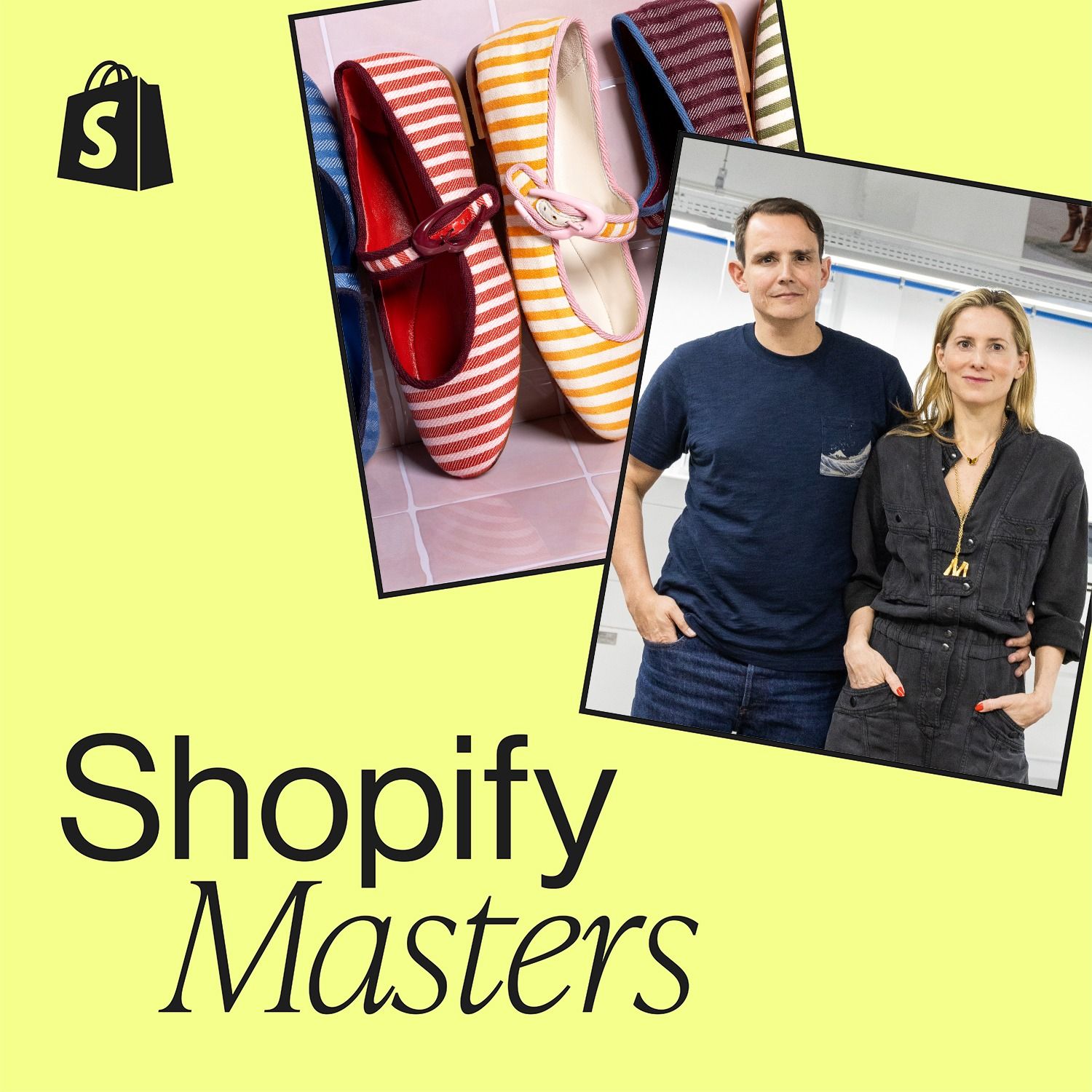
Instead of discounting old inventory, Larroudé offers a pre-order discount on new collections, similar to an early-bird airline ticket. This "direct-to-demand" model incentivizes customers to commit early, which funds production, eliminates excess inventory risk, and improves the brand's cash flow and profitability.
Comfort offers customers a discount to 'pre-order' items, even if they are in stock, in exchange for waiting longer for delivery. This generates immediate, upfront cash flow that the bootstrapped company uses to fund large inventory purchase orders without external capital.

Frame every negotiation around four core business drivers. Offer discounts not as concessions, but as payments for the customer giving you something valuable: more volume, faster cash payments, a longer contract commitment, or a predictable closing date. This shifts the conversation from haggling to a structured, collaborative process.

Instead of offering a fake, expiring discount to create urgency, frame it as a payment for predictability. Tell the prospect you will pay them a discount in exchange for mutually aligning on a specific close date, which helps you forecast accurately. This turns a sales tactic into a valuable business exchange.
The business creates two offers: a high-ticket annual prepay ("anchor") and a standard quarterly payment ("core"). Even if only 20% of customers take the anchor, it significantly increases the average cash collected per sale across all customers. This strategy makes the entire acquisition model more profitable without changing the core product.

In recurring business relationships, winning every last penny is a short-sighted victory. Intentionally allowing the other party to feel they received good value builds goodwill and a positive reputation, leading to better and more frequent opportunities in the future. It inoculates you against being price-gouged upfront.

By treating reservations like tickets to a concert, Alinea Group eliminated costly no-shows, which were causing over $1 million in lost revenue annually. This pre-payment model, which faced initial industry skepticism, also dramatically improved cash flow by collecting revenue months before the service was delivered.
To overcome cash flow issues for large purchases, small businesses can offer a 'Special Purpose Vehicle' (SPV) to loyal customers. A customer fronts the capital, gets repaid first from the sales, and then splits the remaining profit with the business, turning patrons into financial partners.
