Get your free personalized podcast brief
We scan new podcasts and send you the top 5 insights daily.
Jake Paul structures his ventures—boxing, content, investing, and philanthropy—as a flywheel where each component boosts the others. A fight drives attention to his other businesses and foundation, while his business brand enhances his overall profile, creating a powerful, self-sustaining ecosystem.

Related Insights
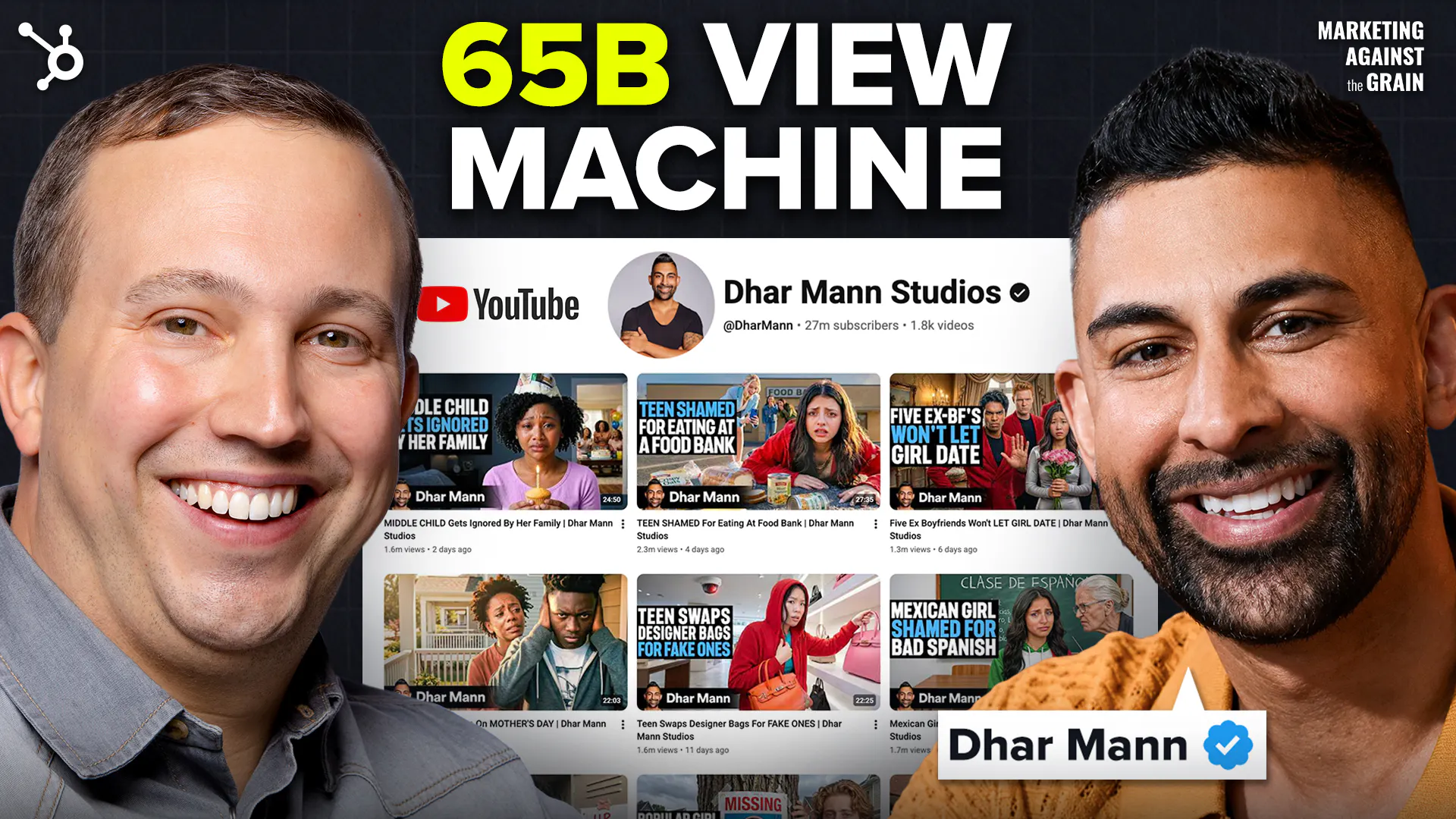
Dhar Mann leveraged his massive YouTube audience as a flywheel to build a multi-faceted media business. He diversified from platform ad revenue to partnerships with Samsung (FAST), Fox (Vertical Dramas), and a podcast. This proves a creator channel can be the foundation for a vertically integrated media company, not just an endpoint.
Jake Paul argues that many internet creators fade away because they fail to convert large followings into actual cash flow. Durability in the creator economy requires a strong focus on business acumen and monetization, because "cash is king."

Jake Paul attributes his long-term relevance to building separate audiences in different domains. Someone who listens to his tech podcast appearance might not see his TikToks, creating a diversified "portfolio" of followers that makes his brand more resilient.
The conventional wisdom to "stay in your lane" is wrong. Creators should embrace multiplicity, covering various topics like fitness, business, and parenting simultaneously. This "and" approach reflects a person's true, multi-faceted nature and builds a more authentic, resilient brand.

The current media landscape allows a single personality to build a multi-million dollar business empire. This 'Individual Empire' leverages a personal brand to launch diverse ventures like CPG products (Logan Paul's Prime), media companies, and major IP, representing the final chapter of the creator economy.
The next evolution of the creator economy involves creators building their own vertically integrated studios, complete with production, marketing, CPG, and supply chain infrastructure. They are no longer just talent for hire but self-sufficient media and commerce companies controlling their own IP.
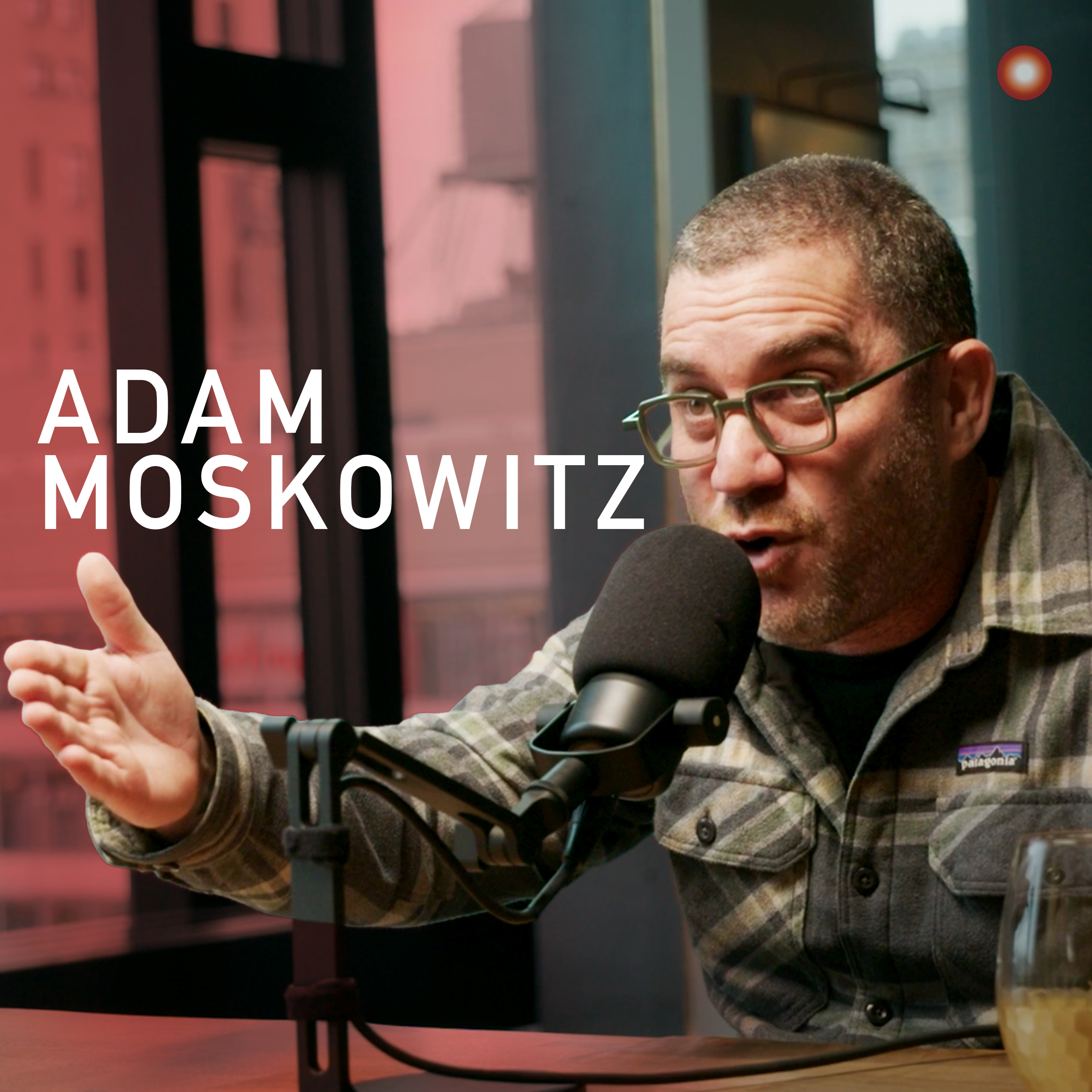
Instead of diversifying broadly, Adam Moskowitz built his cheese empire by launching adjacent businesses in 'concentric circles.' His warehouse, import company, event business, and media company all center on cheese, creating a focused, mutually reinforcing ecosystem.
A creator with a 50/50 revenue split between YouTube ads and an e-commerce shop felt torn. The advice was to see this not as two businesses, but as a strong ecosystem where the content channel acts as a resilient, top-of-funnel engine for the owned e-commerce platform.

Top creators like Mr. Beast are not outliers but blueprints for a future where individuals build entire business empires, including consumer products and non-profits, directly on their personal brands. This signals a fundamental shift from being an 'influencer' to a diversified business mogul.
Jake Paul's strategy involves intense focus on ventures that show early signs of success, like his boxing career after one massive event, while quickly discarding failures. This "double down or drop" approach fueled his multi-hyphenate path from creator to athlete to investor.