Get your free personalized podcast brief
We scan new podcasts and send you the top 5 insights daily.
OpenAI launched Sora 2 knowing it would generate copyrighted content to achieve viral growth and app store dominance, planning to implement controls only after securing market position and forcing rights holders to negotiate.
Related Insights
OpenAI embraces the 'platform paradox' by selling API access to startups that compete directly with its own apps like ChatGPT. The strategy is to foster a broad ecosystem, believing that enabling competitors is necessary to avoid losing the platform race entirely.

Tech giants like Google and Meta are positioned to offer their premium AI models for free, leveraging their massive ad-based business models. This strategy aims to cut off OpenAI's primary revenue stream from $20/month subscriptions. For incumbents, subsidizing AI is a strategic play to acquire users and boost market capitalization.
OpenAI, the initial leader in generative AI, is now on the defensive as competitors like Google and Anthropic copy and improve upon its core features. This race demonstrates that being first offers no lasting moat; in fact, it provides a roadmap for followers to surpass the leader, creating a first-mover disadvantage.

Michael Burry's comparison of OpenAI to Netscape is apt regarding market share erosion due to intense competition. However, the AI market is expanding exponentially. Unlike the browser market of the 90s, OpenAI can lose market share percentage yet still see massive absolute revenue and usage growth.
Startups are becoming wary of building on OpenAI's platform due to the significant risk of OpenAI launching competing applications (e.g., Sora for video), rendering their products obsolete. This "platform risk" is pushing developers toward neutral providers like Anthropic or open-source models to protect their businesses.
The history of AI tools shows that products launching with fewer restrictions to empower individual developers (e.g., Stable Diffusion) tend to capture mindshare and adoption faster than cautious, locked-down competitors (e.g., DALL-E). Early-stage velocity trumps enterprise-grade caution.

When an AI tool generates copyrighted material, don't assume the technology provider bears sole legal responsibility. The user who prompted the creation is also exposed to liability. As legal precedent lags, users must rely on their own ethical principles to avoid infringement.

The market reality is that consumers and businesses prioritize the best-performing AI models, regardless of whether their training data was ethically sourced. This dynamic incentivizes labs to use all available data, including copyrighted works, and treat potential fines as a cost of doing business.
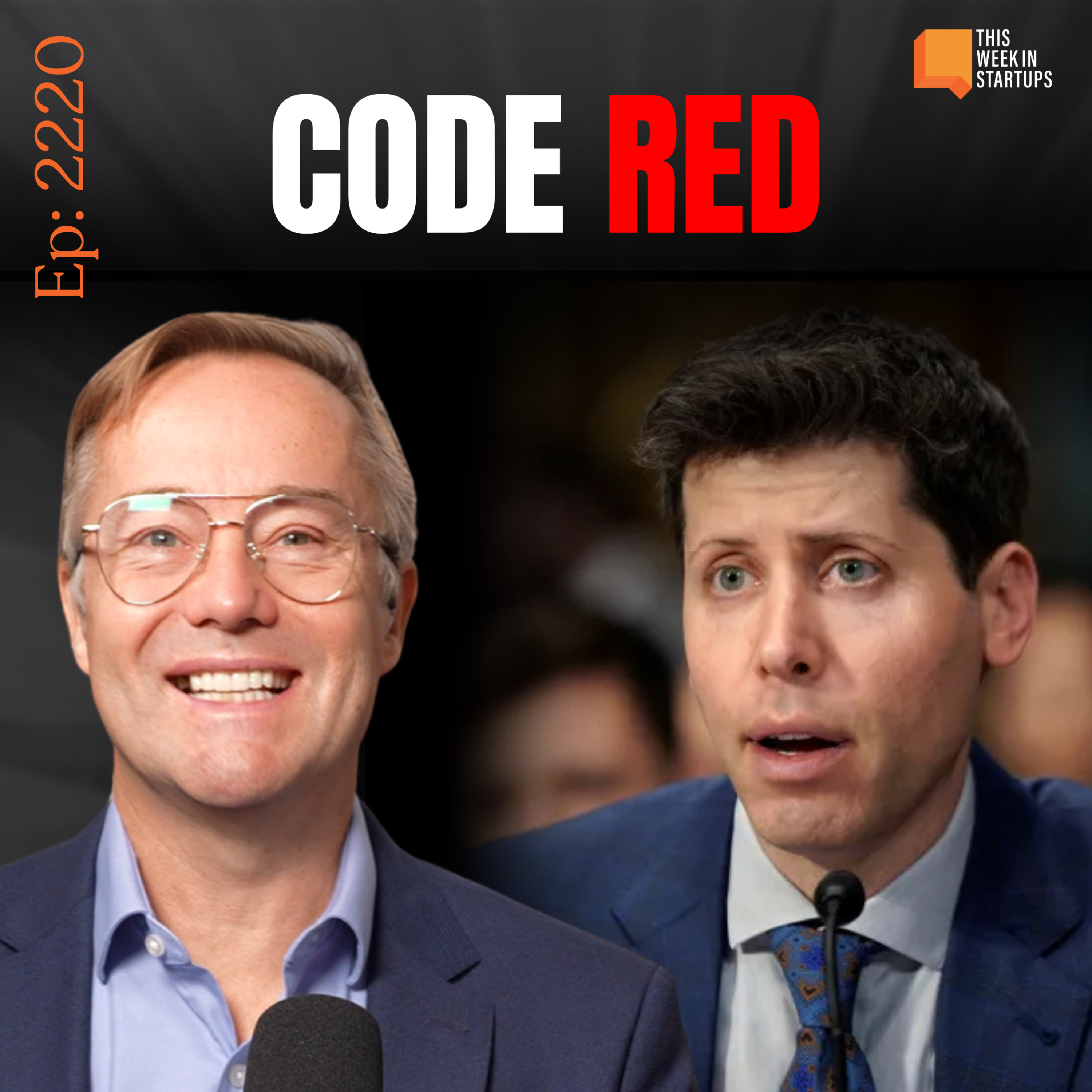
Despite its early dominance, OpenAI's internal "Code Red" in response to competitors like Google's Gemini and Anthropic demonstrates a critical business lesson. An early market lead is not a guarantee of long-term success, especially in a rapidly evolving field like artificial intelligence.
After users created disrespectful depictions of MLK Jr., OpenAI now allows estates to request restrictions on likenesses in Sora. This "opt-out" policy is a reactive, unscalable game of "whack-a-mole." It creates a subjective and unmanageable system for its trust and safety teams, who will be flooded with requests.