Get your free personalized podcast brief
We scan new podcasts and send you the top 5 insights daily.
The high stakes and meaning in sports like football are derived from the inherent physical risk, similar to mountain climbing. While fans don't want to see injuries, removing the danger would diminish the perceived achievement and emotional weight of the game for the audience.

Related Insights
Alex Honnold's live free solo was an incredible athletic feat, but for viewers, his extreme competence made the climb feel undramatic. Unlike a curated documentary like 'Free Solo,' the live format failed to create tension because he was simply too good, removing any perceived risk or struggle from the viewing experience.

Despite the risks of her sport, Mikaela Shiffrin's primary fear is no longer crashing. Instead, it's the potential media and public backlash if she underperforms at the next Olympics, showing how psychological scars from public failure can outlast physical ones.
Our fascination with danger isn't a flaw but a survival mechanism. Like animals that observe predators from a safe distance to learn their habits, humans consume stories about threats to understand and prepare for them. This 'morbid curiosity' is a safe way to gather crucial information about potential dangers without facing direct risk.
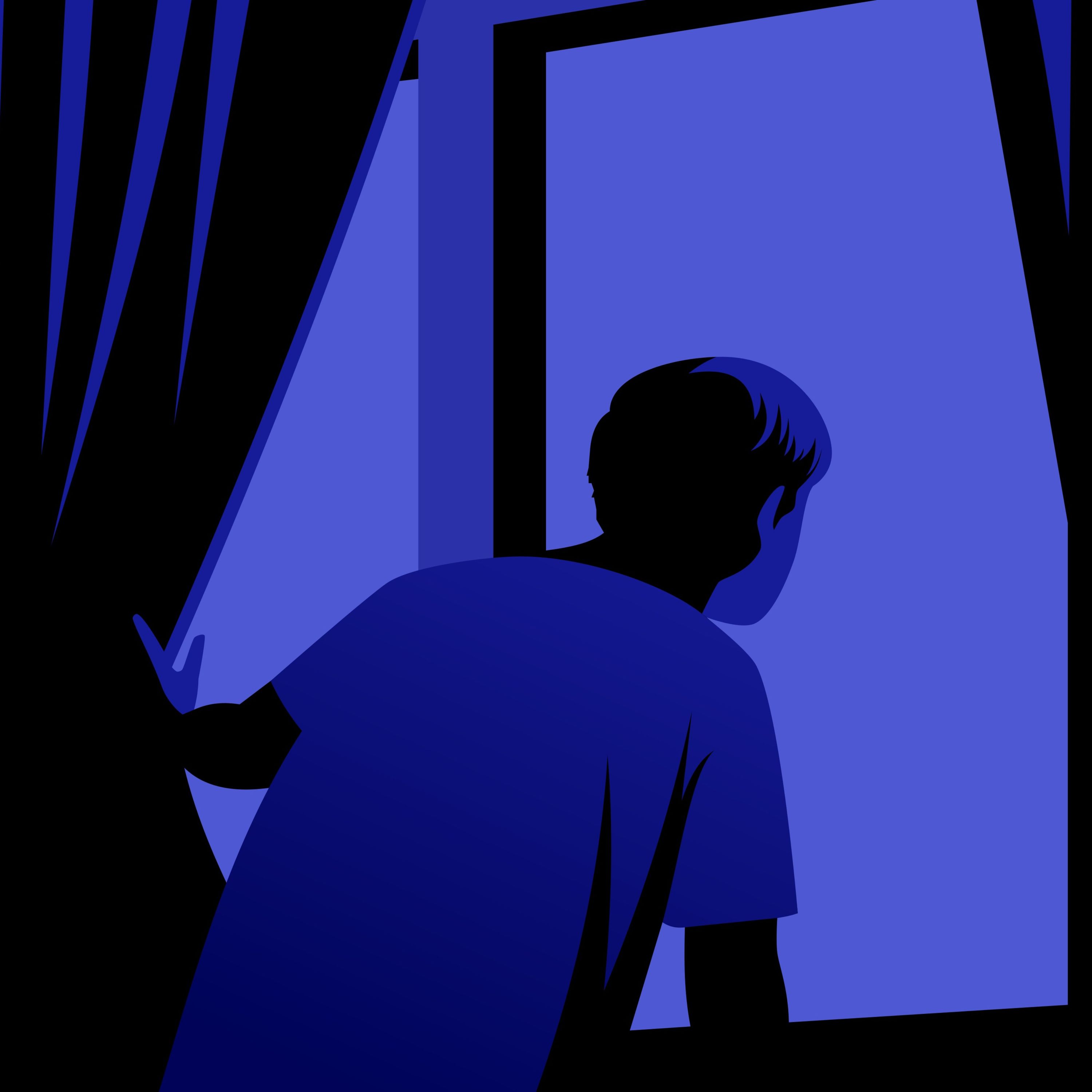
Contrary to the belief that people seek escapism during turbulent times, research shows a surge of interest in scary entertainment following real-life traumatic events. For example, after a campus murder, students in the victim's dorm were most likely to choose to watch a violent movie, suggesting a need to process and understand the threat.
Modern society often discourages direct competition and hostility. Robin Hanson suggests that games, finance, and betting markets are popular because they create a bounded 'sub-world' where people can safely express their innate competitive and aggressive drives.

Despite having only 11 minutes of action in a three-hour broadcast, football is a TV juggernaut. Its constant stoppages are not a bug, but a feature that aligns with our subconscious desire for entertainment that is paced, rather than a non-stop assault on the senses.
The NHL's acceptance of players losing teeth, with 60% of pros losing at least one, highlights how a profession's culture can normalize significant risk. By framing the choice to forgo protective gear as 'tradition,' the sport prioritizes cultural identity over modern safety standards, a pattern seen in other high-risk industries.

High diver Molly Carlson explains that fear is a necessary safety mechanism in her sport. Her worst injury occurred not from a difficult dive, but when she was overly comfortable and distracted while filming content. This highlights that in high-risk fields, complacency is more dangerous than fear.
People watch horror films not just for the thrill, but to vicariously experience and understand potential dangers. This allows them to process anxieties about real-world threats, from pandemics to AI, in a controlled setting, serving as a form of psychological preparation.

Contrary to the goal of eliminating all danger, progressive playground design intentionally incorporates managed risk. This "risky play" is psychologically vital for children to learn physical limits, problem-solving, and resilience in a controlled environment, which ultimately makes them safer.
