Get your free personalized podcast brief
We scan new podcasts and send you the top 5 insights daily.
Instead of planning a specific exit, founders should first decide what kind of life they want. Do you want to run a large company or sell early? Answering this personal question is the first step, as founder happiness and alignment are critical to the company's success and longevity.

Related Insights
This mental model forces founders to decide on their goal. "Kings" chase venture capital, fame, and rapid growth, often sacrificing equity and control. The "Rich" quietly bootstrap, retaining ownership and focusing on long-term profitability over public recognition.

When a potential acquirer asked for his exit strategy, Kevin Mandia laughed. For him, Mandiant was his life's work and what he did for a living, not a project designed for a financial exit. This mindset separates founders focused on building a craft from those optimizing for a sale.

Before building funnels or teams, founders should conduct an "alignment audit" to clarify their personal goals. Many chase revenue and complexity, building a business misaligned with their desired lifestyle. This audit forces the crucial question: "What do you actually want?" Sometimes the answer is to scale down, not up.

The primary error founders make is confusing external achievements (revenue, exit) with internal fulfillment. Financial success should be viewed as a tool that enables a life aligned with your personal values, rather than being the source of fulfillment itself.

Many founders who successfully exit their companies feel depressed and unfulfilled, realizing their best idea is behind them. The alternative is to reject the exit-focused mindset and commit to building a durable, lifelong business, finding satisfaction in the infinite game.
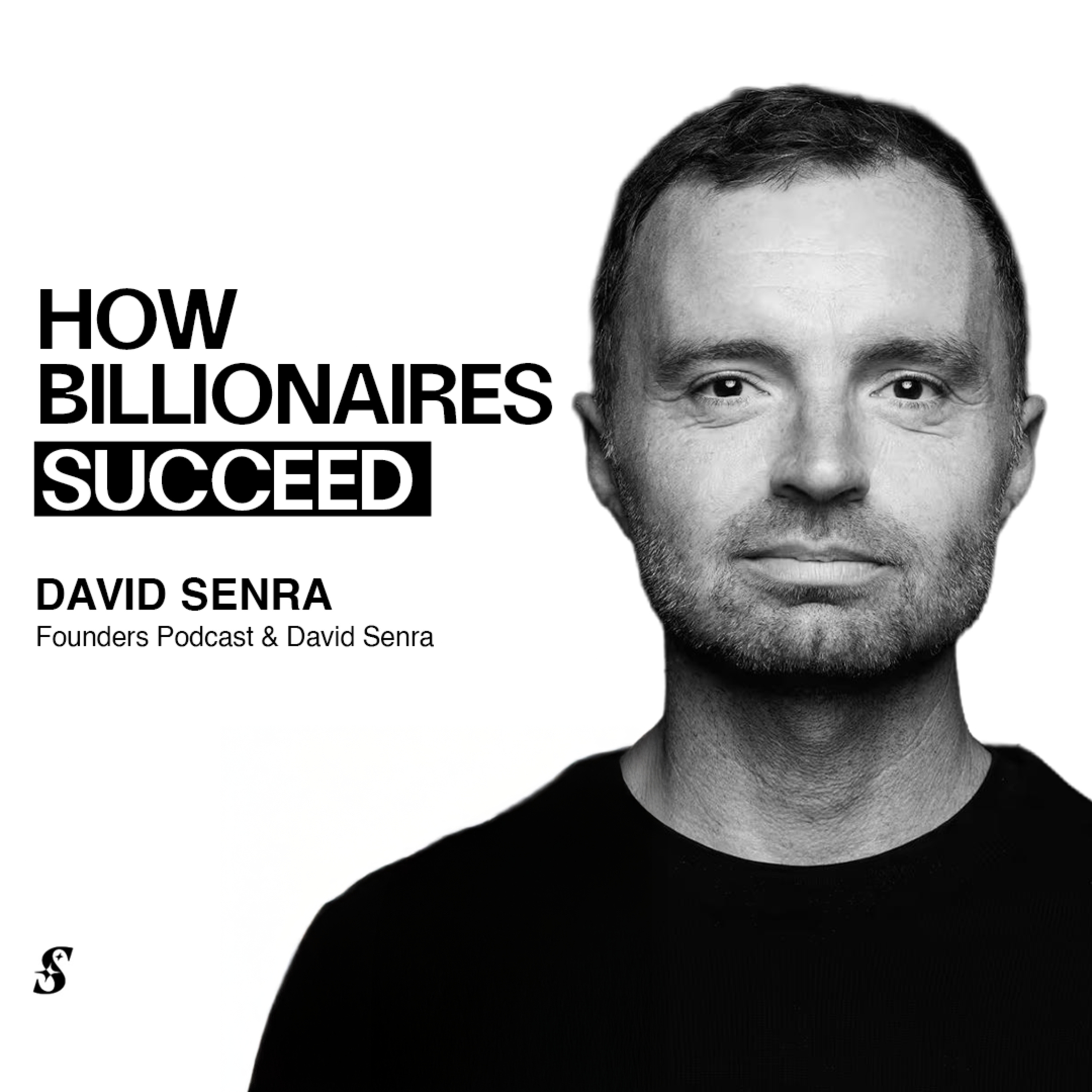
Many founders treat their startup as a temporary vehicle to an exit, which can lead to an identity crisis after they "win." A healthier approach is to build a company as a "way of life"—a system of activities you want to engage in for the long term, regardless of specific outcomes.

When asked about a hypothetical $180M acquisition offer, the founder's primary consideration isn't the financial windfall. The deciding question for him and his wife/co-founder would be a personal one: "Have we built what we wanted to build? And are we done?" This highlights a mission-driven mindset distinct from typical venture-backed exit strategies.

Founders who try to perfectly time an exit with market conditions are twice as likely to have second thoughts and report less satisfaction. The most fulfilled founders are those who sell when they are personally ready, regardless of market timing.
Weiss advises founders to invest time in non-business pursuits that provide value, like non-profits or coaching, while still running their company. He argues that if your entire identity is tied to the business, any exit—no matter how lucrative—will ultimately feel hollow and leave you feeling lost.
When asked when founders should sell, Glenn Fogel pushes back on a universal rule. He advises founders to look inward: Is your goal simply to make money, or to build something that matters? The answer depends on what you want to do with your limited time and what gives you meaning.
