Get your free personalized podcast brief
We scan new podcasts and send you the top 5 insights daily.
Kirby Montgomery describes a CTO whose CEO read about a 'dark factory' where robots claim code is tested. An investor holding the company for five years hears a reliability black box: if it breaks, customers cannot be served, and Dan Bender notes AI-generated code's total cost is still unknown.

Related Insights
A futuristic software development model is being tested where humans only provide high-level direction. AI agents write, test, and deploy code without human review, similar to an automated factory that can run with the lights off. This relies heavily on sophisticated, AI-driven QA processes.

The productivity gains from AI incentivize companies to ship work without full verification. While rational for an individual firm, this practice introduces a "Trojan Horse" of subtle flaws and technical debt at a massive scale, creating accumulating systemic risk across the economy.

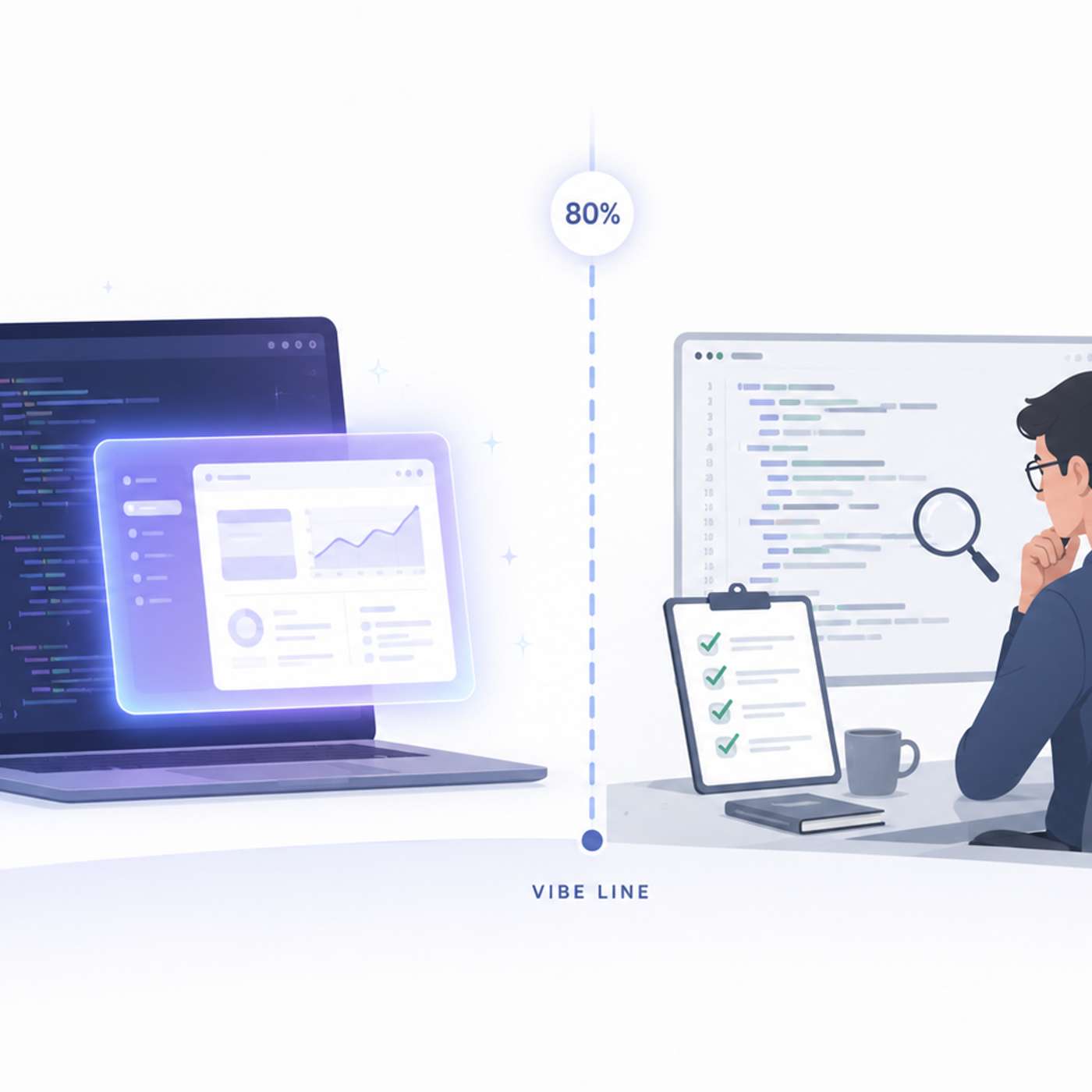
The primary danger of AI-generated code is not obvious errors, but subtle flaws hidden within code that looks and feels complete. It runs and demos well, but may fail on critical edge cases involving security or concurrency that a simple 'vibe check' will not catch.
Unlike traditional software, AI models are not explicitly programmed line-by-line. They self-organize from massive datasets in a process more akin to growth. This creates a "black box" of billions of incomprehensible numbers, meaning even their developers cannot fully explain or verify their internal reasoning or safety.

AI can generate code that passes initial tests and QA but contains subtle, critical flaws like inverted boolean checks. This creates 'trust debt,' where the system seems reliable but harbors hidden failures. These latent bugs are costly and time-consuming to debug post-launch, eroding confidence in the codebase.

Meredith Whittaker warns that while AI coding agents can boost productivity, they may create massive technical debt. Systems built by AI but not fully understood by human developers will be brittle and difficult to maintain, as engineers struggle to fix code they didn't write and don't comprehend.

Dan Bender says he often finds the CTO has no idea what the private equity value creation plan is when a deal closes. Commercial strategy and engineering realities sit apart, and agentic coding makes that gap more dangerous because feature costs fall while token spend and total ownership stay unclear.
Moving beyond AI-generated code, the next leap is deploying that code without any human review. This concept, termed "Dark Factories," forces a radical shift in the SDLC towards automated verification and testing as the primary quality gate.
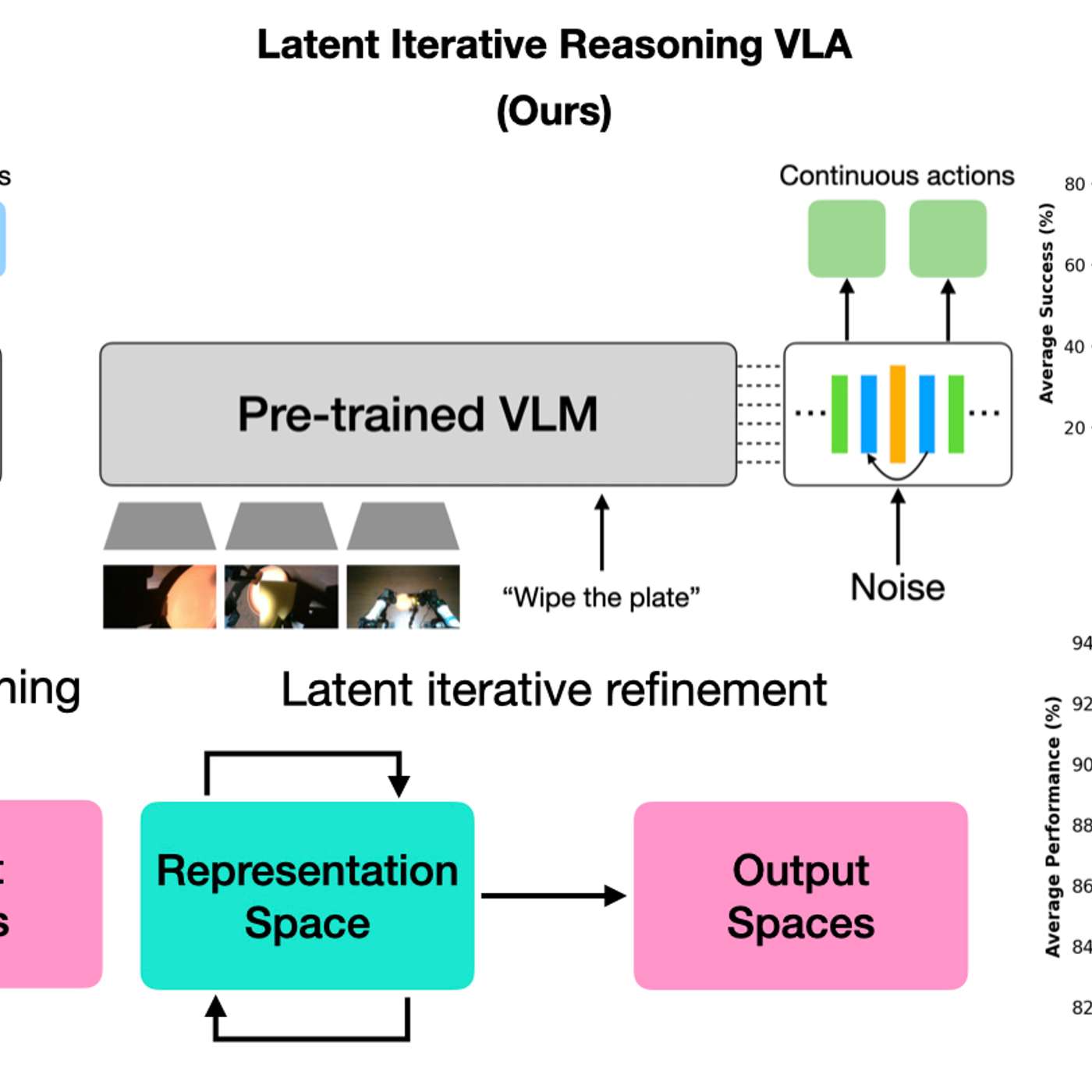
By having AI models 'think' in a hidden latent space, robots gain efficiency without generating slow, text-based reasoning. This creates a black box, making it impossible for humans to understand the robot's logic, which is a major concern for safety-critical applications where interpretability is crucial.
Companies are pushing for more AI-generated code to cut costs, but this code is often not fully understood by engineers. This creates significant security vulnerabilities that advanced AI models will inevitably exploit, potentially destroying smaller companies that fail to maintain a strong security posture and rigorous engineering standards.