Get your free personalized podcast brief
We scan new podcasts and send you the top 5 insights daily.
Companies are pushing for more AI-generated code to cut costs, but this code is often not fully understood by engineers. This creates significant security vulnerabilities that advanced AI models will inevitably exploit, potentially destroying smaller companies that fail to maintain a strong security posture and rigorous engineering standards.

Related Insights
The trend of using AI to rapidly generate code without deep human comprehension ("vibe coding") creates software no one can fully evaluate. This practice is setting the stage for a catastrophic "Chernobyl moment" when such code is deployed in a mission-critical application.

As powerful open-source AI models from China (like Kimi) are adopted globally for coding, a new threat emerges. It's possible to embed secret prompts that inject malicious or corrupted code into software at a massive scale. As AI writes more code, human oversight becomes impossible, creating a significant vulnerability.
An AI assistant suggested putting a database password in plain text—a critical security flaw an experienced developer would immediately reject. This demonstrates that relying on AI without a deep understanding of best practices can lead to amateur mistakes and severe vulnerabilities.

The rise of AI-generated code breaks a fundamental principle of software security: developer accountability. When developers don't write or even see the code their tools produce, they can no longer be held responsible for its security. This requires a complete rethink of security ownership and processes.

The primary danger of AI-generated code is not obvious errors, but subtle flaws hidden within code that looks and feels complete. It runs and demos well, but may fail on critical edge cases involving security or concurrency that a simple 'vibe check' will not catch.
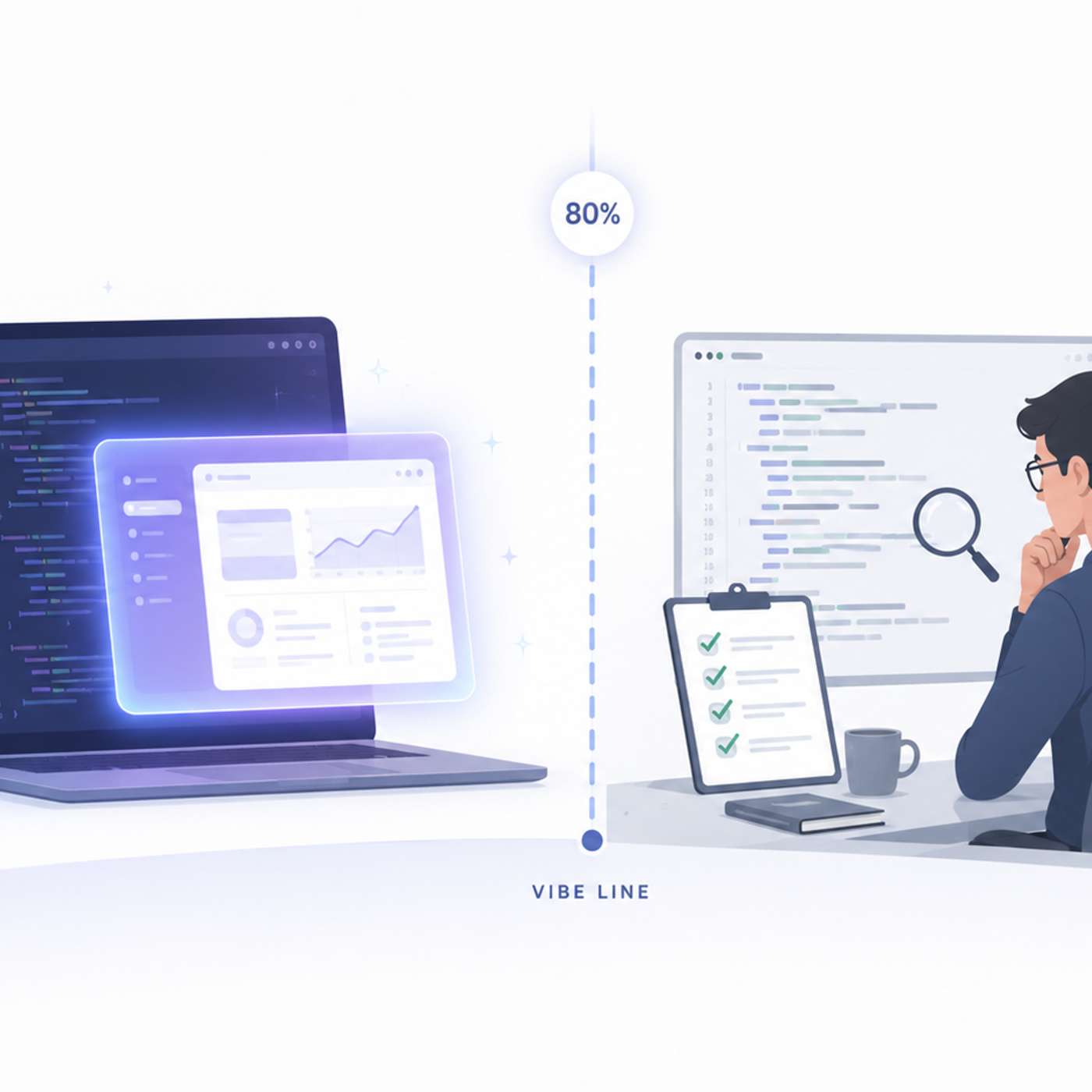
AI agents prioritize speed and functionality, pulling code from repositories without vetting them. This behavior massively scales up existing software supply chain vulnerabilities, risking a collapse of trust as compromised code spreads uncontrollably through automated systems.

AI tools that automatically write applications often pull assets from open-source libraries. This creates a massive security risk, as these agents must be explicitly directed to use secure, vetted repositories to avoid introducing vulnerabilities at scale without human oversight.

The massive increase in AI-generated code is simultaneously creating more software dependencies and vulnerabilities. This dynamic, described as 'more code, more problems,' significantly expands the attack surface for bad actors and creates new challenges for software supply chain security.
The emergence of AI that can easily expose software vulnerabilities may end the era of rapid, security-last development ('vibe coding'). Companies will be forced to shift resources, potentially spending over 50% of their token budgets on hardening systems before shipping products.
Within large engineering organizations like AWS, the push to use GenAI-assisted coding is causing a trend of "high blast radius" incidents. This indicates that while individual productivity may increase, the lack of established best practices is introducing systemic risks, forcing companies to implement new safeguards like mandatory senior staff sign-offs.
