Get your free personalized podcast brief
We scan new podcasts and send you the top 5 insights daily.
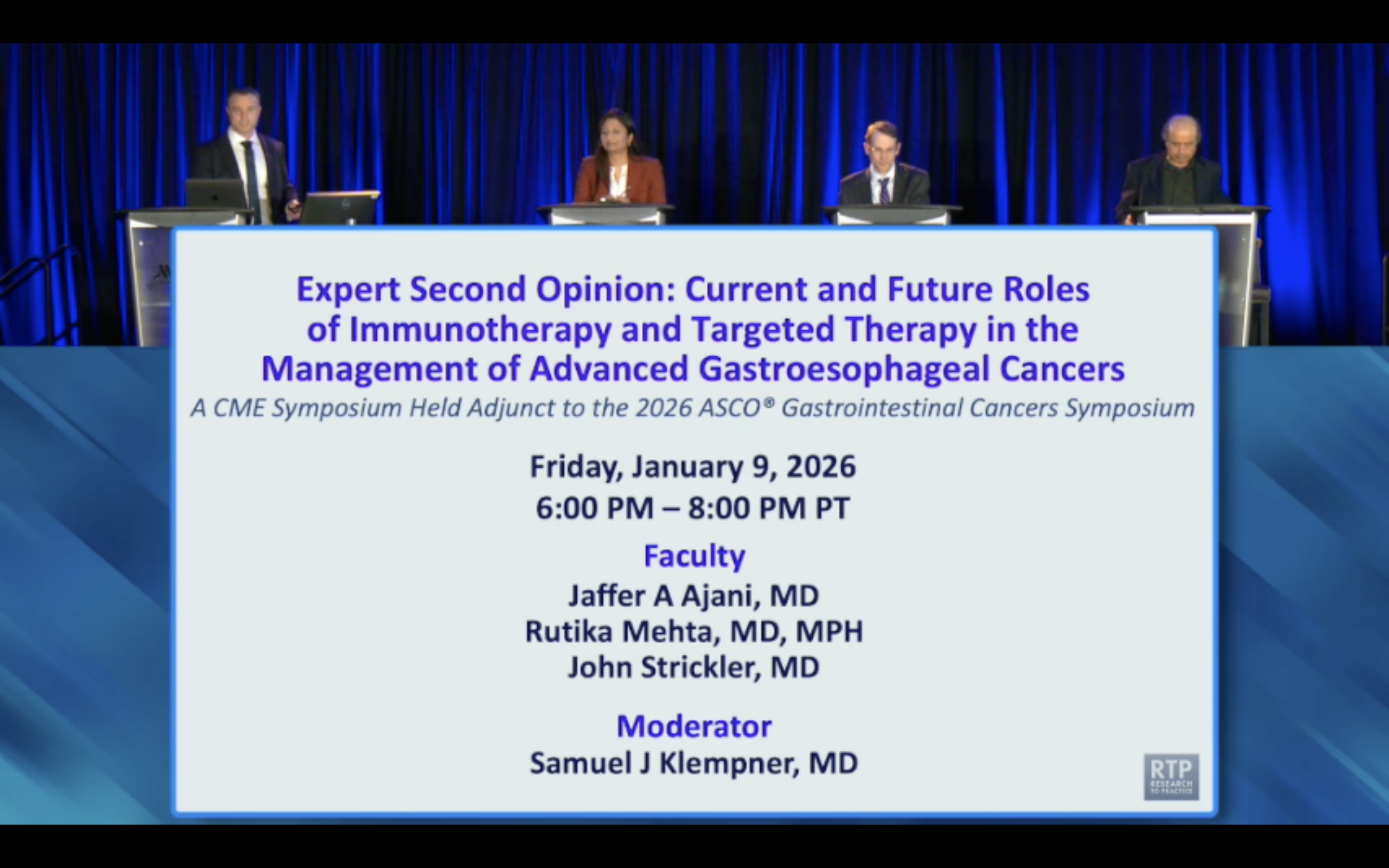
Unlike other subtypes of gastroesophageal cancer that rarely spread to the brain, the HER2-positive subset is an exception. Clinicians should maintain a high index of suspicion and a lower threshold for brain imaging when these specific patients present with any unusual neurological symptoms.

Related Insights
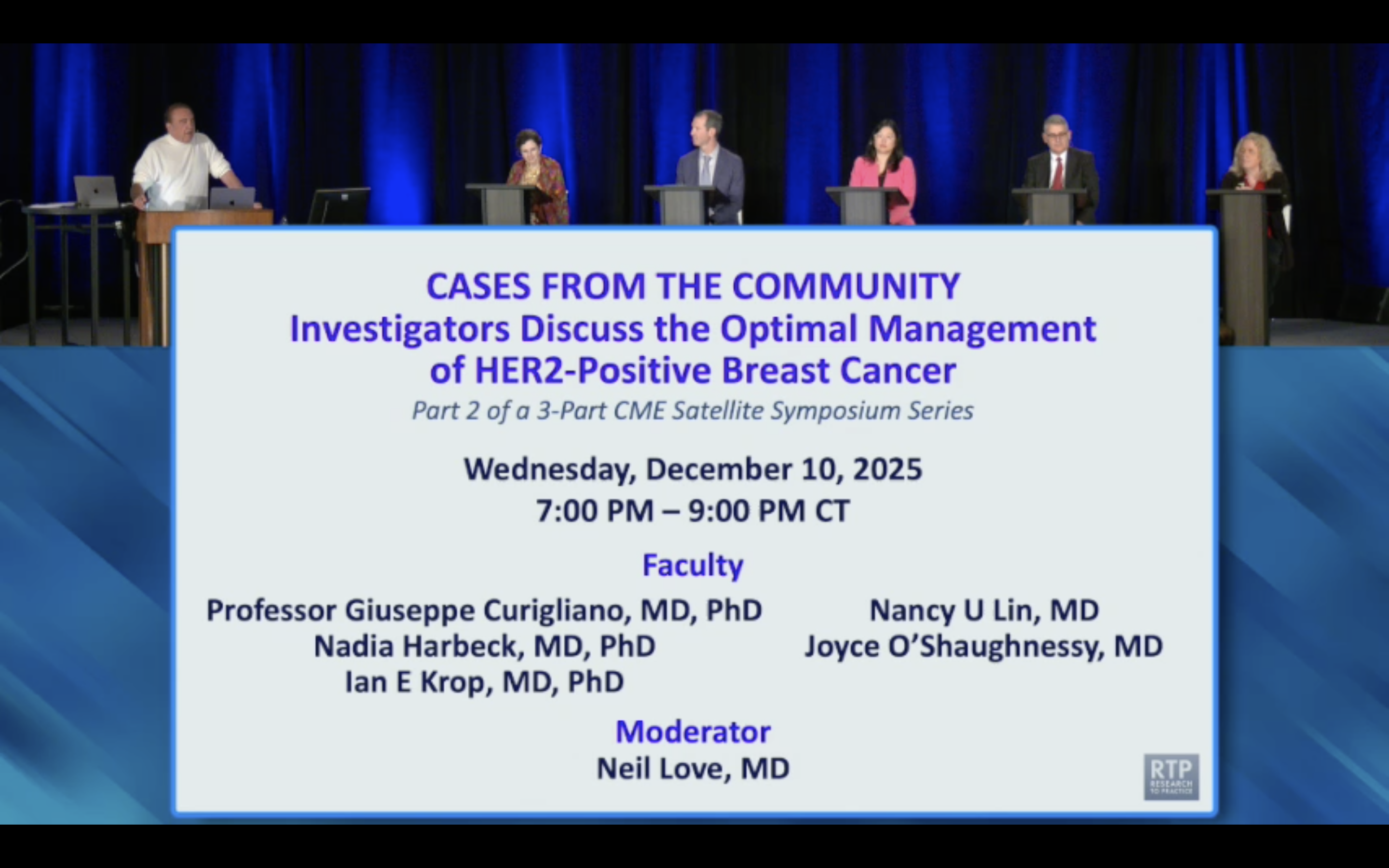
Unlike the standard chemotherapy regimen TCHP, the newer drug T-DXd can cross the blood-brain barrier. This is a crucial advantage for high-risk HER2-positive breast cancer patients, as it offers the potential to prevent brain metastases, a common and devastating site of recurrence for this cancer subtype.

With new CNS-active drugs dramatically improving survival after a brain metastasis diagnosis, some experts are now advocating for routine screening brain MRIs in high-risk patients. The goal is to detect asymptomatic lesions early, potentially preventing catastrophic neurologic events like seizures.
For HER2+ gastric cancer patients with a single brain metastasis that is fully resected and radiated, experts may opt for close monitoring. This watch-and-wait approach is preferred over immediate systemic adjuvant therapy, even in this high-risk scenario.

Before starting a second-line HER2-targeted therapy like trastuzumab deruxtecan, it is critical to re-biopsy the tumor if feasible. HER2 status can change after first-line treatment, and confirming persistent HER2 positivity is essential to ensure the subsequent therapy will be effective.

In the increasingly common scenario of gastric cancer with multiple biomarkers (HER2, PD-L1, Claudin), experts recommend a clear hierarchy. Based on data maturity, HER2-targeted therapy is the first choice, followed by PD-L1 immunotherapy, with Claudin-targeted therapy third.

Zongertinib shows a meaningful intracranial response rate of ~44% in HER2-mutant NSCLC. This efficacy supports initiating systemic TKI therapy for patients with small, asymptomatic brain metastases and monitoring closely with short-interval scans, potentially avoiding or delaying brain radiation and its associated toxicities.

Unlike in other cancers, about one-third of HER2-positive gastroesophageal tumors become HER2-negative after first-line treatment. This loss is a key mechanism of resistance, making it mandatory to re-biopsy and re-test for HER2 at the time of disease progression to determine appropriate subsequent therapies.
For HER2-positive gastric cancer, treatment choice depends on patient fitness. For young, fit patients, the more potent but toxic HORIZON-GA regimen (zanidatamab-based) is preferred. For elderly or less fit patients, the better-tolerated KEYNOTE-811 regimen (pembrolizumab/trastuzumab) remains the standard of care.
Due to selective pressure from first-line treatment, 30-40% of HER2-positive gastroesophageal cancers lose HER2 expression by the time of progression. It is crucial to re-test these patients, either via tissue biopsy or ctDNA, to confirm continued HER2 positivity before initiating second-line HER2-targeted therapy like TDXD.

In the increasingly common scenario of a patient with multiple positive biomarkers, a clear hierarchy exists for treatment decisions. Based on the robustness and maturity of clinical trial data, HER2-directed therapy is the top priority, followed by PD-L1 immunotherapy, with Claudin-18.2 targeting considered third.