Get your free personalized podcast brief
We scan new podcasts and send you the top 5 insights daily.
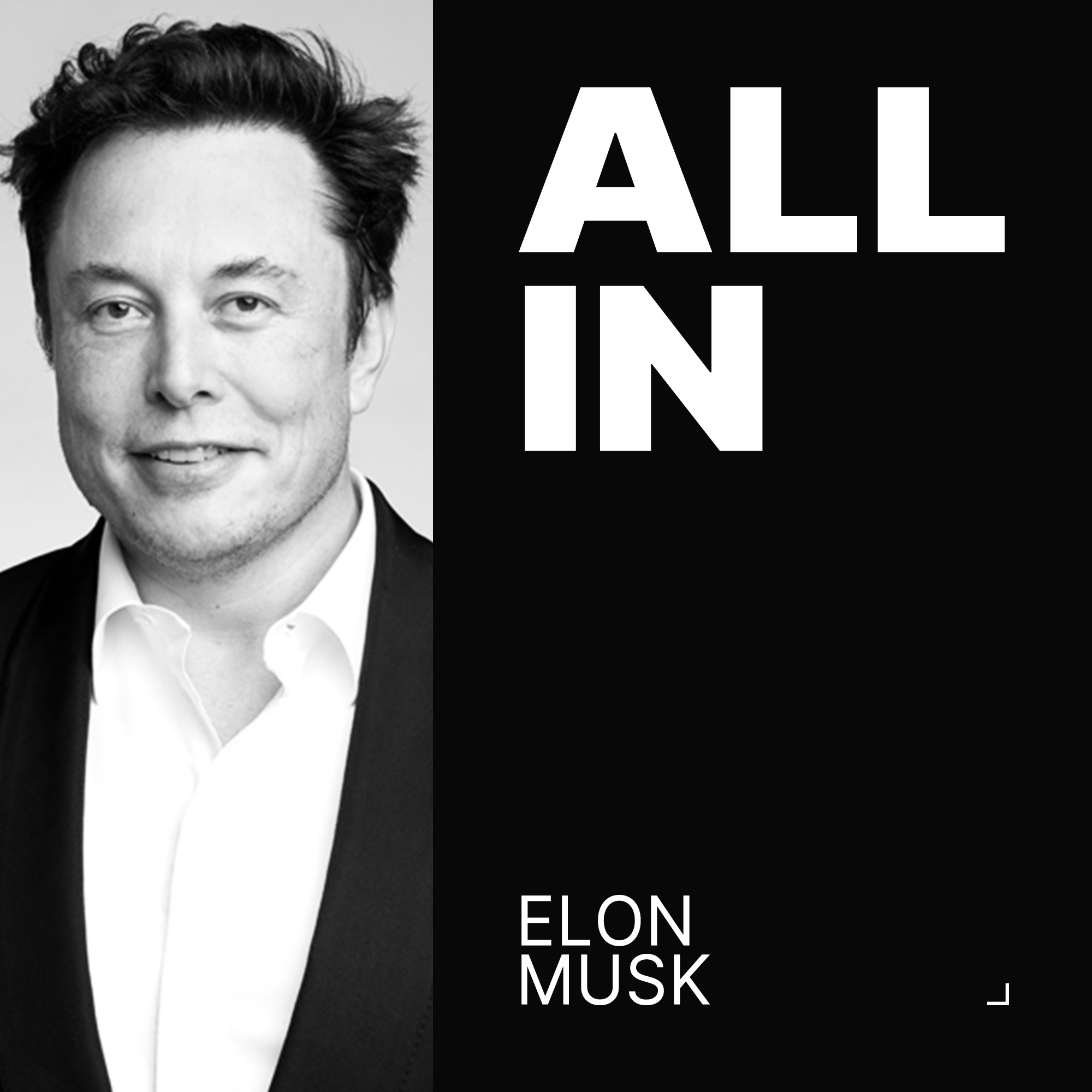
Elon Musk discovered extreme corporate waste after acquiring Twitter, including paying for software to analyze pedestrian traffic in an abandoned building and supplying tampons to the men's restroom in that same building for years.
Related Insights
Elon Musk's newly approved trillion-dollar pay package is less about the money and more about securing 25% voting control of Tesla. He views Tesla's future not in cars but in humanoid robots, and he sought this control to direct the development of this potentially world-changing technology.
When a non-tech firm like Oreo's parent invests a disproportionately large amount of its budget ($40M) on a proprietary AI model, it may indicate a vanity project. This spending is often driven by executives seeking to appear innovative rather than by a sound business case.

When releasing the "Twitter Files," Musk didn't curate or filter information. He gave investigative journalists direct, unfettered access to Twitter's internal systems, emails, and databases without looking over their shoulders, allowing them to report their findings independently.
While OpenAI's projected multi-billion dollar losses seem astronomical, they mirror the historical capital burns of companies like Uber, which spent heavily to secure market dominance. If the end goal is a long-term monopoly on the AI interface, such a massive investment can be justified as a necessary cost to secure a generational asset.

Maja Vujinovic proposed using waste energy from testing airline engines to mine Bitcoin or power AI. GE's conservative culture and risk-averse legal department rejected the idea, showcasing how large corporations' inertia causes them to miss disruptive opportunities.

Musk's decisions—choosing cameras over LiDAR for Tesla and acquiring X (Twitter)—are part of a unified strategy to own the largest data sets of real-world patterns (driving and human behavior). This allows him to train and perfect AI, making his companies data juggernauts.

WeWork created "Community Adjusted EBITDA," a metric that conveniently excluded core costs like rent and salaries. This farcical KPI incentivized top-line growth at any cost, masking massive unprofitability and ultimately destroying shareholder value. Be wary of overly creative accounting.
Cash-rich hyperscalers like Meta utilize Special Purpose Vehicles (SPVs) to finance data centers. This strategy keeps billions in debt off their main balance sheets, appeasing shareholders and protecting credit ratings, but creates complex and opaque financial structures.

Companies tackling moonshots like autonomous vehicles (Waymo) or AGI (OpenAI) face a decade or more of massive capital burn before reaching profitability. Success depends as much on financial engineering to maintain capital flow as it does on technological breakthroughs.
Companies are spending millions on enterprise AI tools not for measurable productivity gains but for "digital transformation" PR. A satirical take highlights a common reality: actual usage is negligible, but made-up metrics create positive investor narratives, making the investment a success in perception, not practice.