Get your free personalized podcast brief
We scan new podcasts and send you the top 5 insights daily.
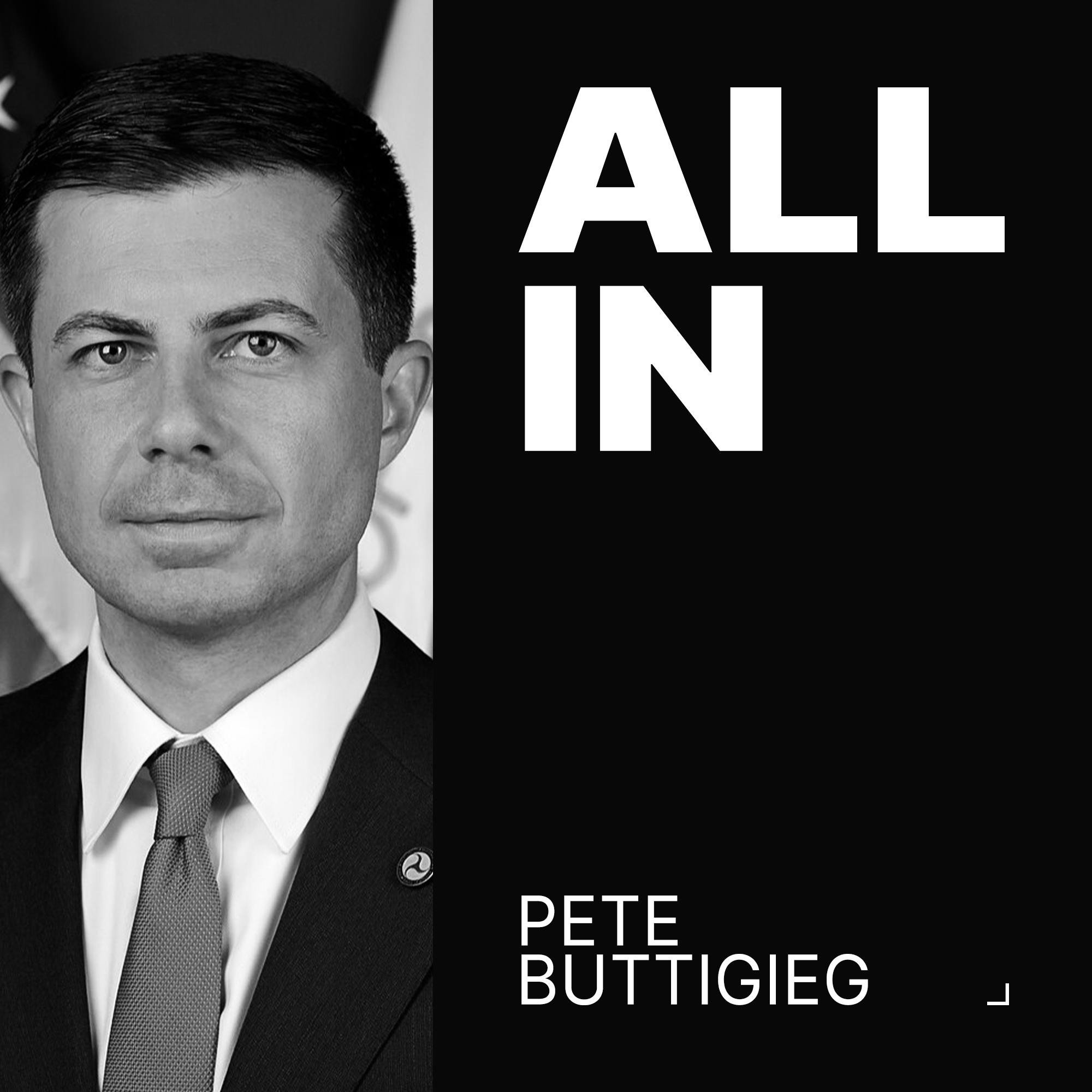
Buttigieg frames wealth inequality not just as an economic issue but as an existential threat to the American republic. He states that historically, no republic has been able to maintain its form of government after reaching the current level of wealth and power concentration seen in the U.S.
Related Insights
Policies that pump financial markets disproportionately benefit asset holders, widening the wealth gap and fueling social angst. As a result, the mega-cap tech companies symbolizing this inequality are becoming prime targets for populist politicians seeking to channel public anger for electoral gain.
The core threat to society and democracy is not political division but economic inequality. A lack of mobility creates a "crisis of hope," particularly in overlooked regions like rural America. This hopelessness leads to anger and irrational behavior that erodes democratic foundations.
Extreme wealth creates a dangerous societal rift not just through inequality, but by allowing the ultra-rich to opt out of public systems. They have their own concierge healthcare, private transportation, and elite schools, making them immune to and ignorant of the struggles faced by the other 99.9%, which fuels populist anger.
Extreme wealth inequality creates a fundamental risk beyond social unrest. When the most powerful citizens extricate themselves from public systems—schools, security, healthcare, transport—they lose empathy and any incentive to invest in the nation's core infrastructure. This decay of shared experience and investment leads to societal fragility.

The historic gap between Republican and Democratic pride in America reflects a "K-shaped" economy. A soaring stock market benefits a concentrated few, exacerbating wealth inequality and breaking the social contract. This disconnect between headline market performance and the economic reality for most citizens fuels political division.
Historically, what tears societies apart is not economic depression itself but runaway wealth inequality. A major bubble bursting would dramatically widen the gap between asset holders and everyone else, fueling the populist anger and political violence that directly leads to civil unrest.

Buttigieg dismisses complex narratives around Silicon Valley's political shift, arguing it's a straightforward case of wealthy individuals choosing the party whose policies, like lower taxes and deregulation, best serve their immediate financial interests, despite other ideological contradictions.
Robert Solow posits that rising inequality isn't just an economic issue; it's a political one. Initial economic disparities lead to political inequality, which then allows the powerful to shape laws (like deregulation) in their favor, further concentrating wealth and reinforcing the initial inequality.

As governments print money, asset values rise while wages stagnate, dramatically increasing wealth inequality. This economic divergence is the primary source of the bitterness, anxiety, and societal infighting that manifests as extreme political polarization. The problem is economic at its core.

History demonstrates a direct, causal link between widening inequality and violent societal collapse. When a large portion of the population finds the system unbearable, it leads to events like the French Revolution—a blunt cause-and-effect relationship often sanitized in modern discourse.
