Get your free personalized podcast brief
We scan new podcasts and send you the top 5 insights daily.
Because sanctions barred major American tech companies like Amazon and Uber from entering Iran, a protected 'green field' ecosystem emerged. This created a unique opportunity for domestic entrepreneurs to build localized versions of popular apps for a large, underserved population of 85 million people.

Related Insights
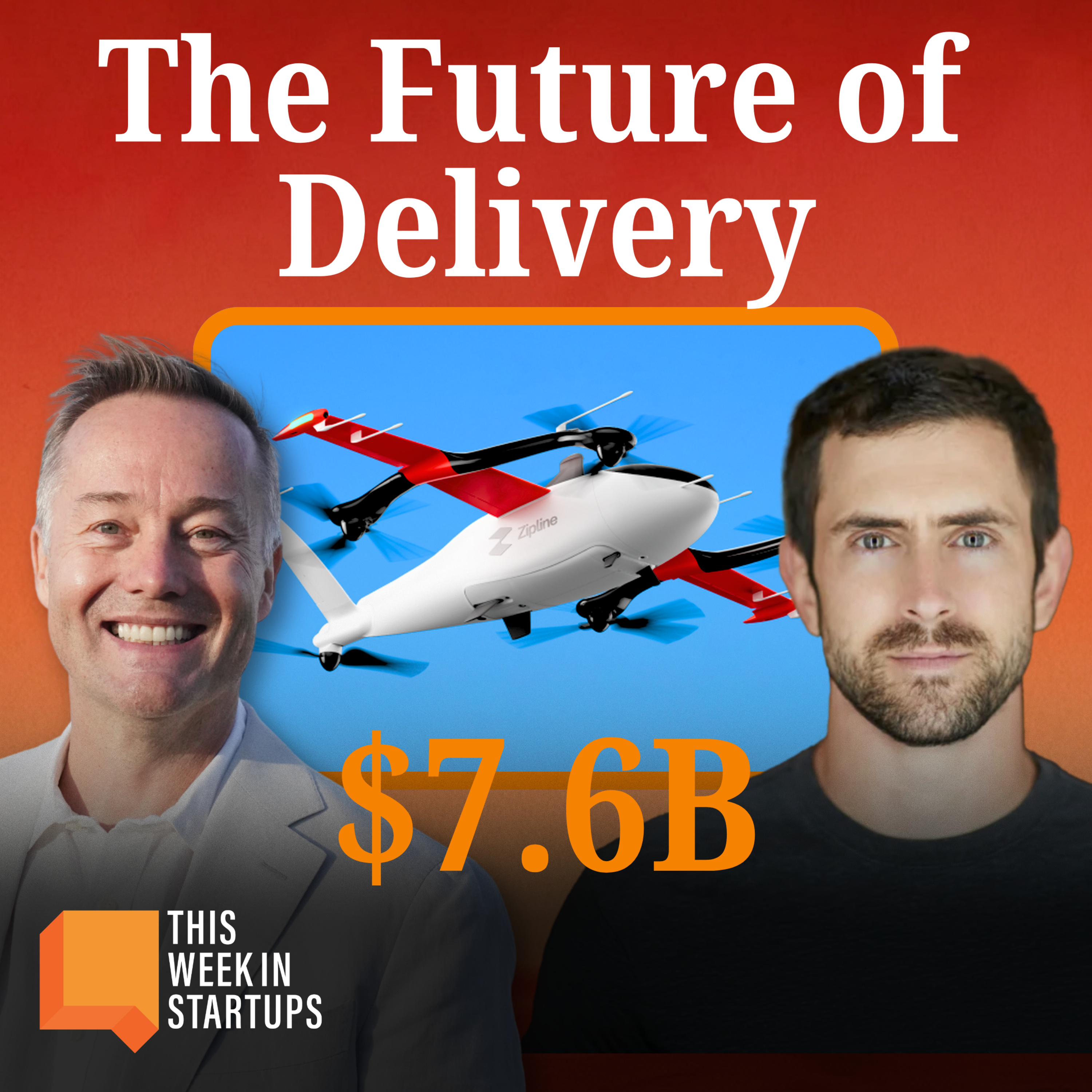
To overcome US regulations banning autonomous flight, Zipline found a life-saving use case (blood delivery) so critical that a foreign government would create a legal framework, allowing them to scale and prove their technology.
By limiting access to top-tier proprietary models, U.S. policy may have ironically forced China to develop more efficient, open-source alternatives. This strategy is more effective for global adoption, as other countries can freely adapt these models without API limits or vendor lock-in.
Many laws were written before technological shifts like the smartphone or AI. Companies like Uber and OpenAI found massive opportunities by operating in legal gray areas where old regulations no longer made sense and their service provided immense consumer value.

Shervin Peshavar uses the economic success of the small Iranian diaspora—who have created trillions in value at companies like Uber, Google, and eBay—as a proxy for the immense potential of Iran's 93 million people. This analogy frames a free Iran as an impending economic and innovation superpower.

Once an Iranian startup becomes successful, it crosses a threshold where it attracts the attention of the security state. To survive, founders are often pressured into giving up equity to middlemen connected to powerful entities like the Revolutionary Guards, who offer 'protection' from state-sponsored harassment.
US sanctions intended to cripple China's AI progress have instead forced it to create a robust, independent semiconductor ecosystem. By cutting off access to NVIDIA chips, the policy catalyzed an aggressive domestic mobilization, led by firms like Huawei, significantly reducing China's reliance on American technology and creating a powerful, self-sufficient competitor.

Countries like Argentina or Iran, facing extreme economic pressure and isolation from global markets, are forced to build bespoke financial systems from scratch. This necessity drives leapfrogging innovation not seen in more stable, developed economies.
![William Hockey - Building the Operating System for the Dollar and Silicon Valley Heresy - [Invest Like the Best, EP.463] thumbnail](https://megaphone.imgix.net/podcasts/fafd11c6-2198-11f1-9f4c-331b7fdffb5f/image/c8ee4ccf34b48dd3ef4ded6a34c1f70c.jpg?ixlib=rails-4.3.1&max-w=3000&max-h=3000&fit=crop&auto=format,compress)
The inability to access OpenAI, Claude, or advanced GPUs in China left its massive market and talent pool with no choice but to build its own alternatives. This protectionist policy, intended to stifle China's progress, has ironically catalyzed the creation of a powerful, self-sufficient AI industry.

The US ban on selling Nvidia's most advanced AI chips to China backfired. It forced China to accelerate its domestic chip industry, with companies like Huawei now producing competitive alternatives, ultimately reducing China's reliance on American technology.

Europe's tech ecosystem is growing not just from its own merits, but by capitalizing on competitors' mistakes. American political unreliability under Trump pushed European firms toward local tech, while China's heavy-handed state intervention has driven private capital away from its tech sector and toward Europe, creating an unexpected tailwind.
