Get your free personalized podcast brief
We scan new podcasts and send you the top 5 insights daily.
Sridhar Ramaswamy's startup, Neva, failed despite a strong premise (ad-free search). The 'fundamental sin' was his arrogance in not having a clear roadmap for *how* to achieve a better search experience before starting to build, a problem too big to figure out through iteration alone.

Related Insights
Startups often fail by running experiments on peripheral issues instead of the most critical business model question. ClassPass nearly died by building full products (a search engine, a passport) before running simple tests to validate the core user and supplier value propositions.

Sreedhar Ramaswamy's search engine startup, Neva, failed because it was only "marginally better." The crucial lesson is that consumer products need a dramatically improved experience to win. Features like enhanced privacy aren't compelling on their own, as consumers often subscribe to the idea rather than acting on it.
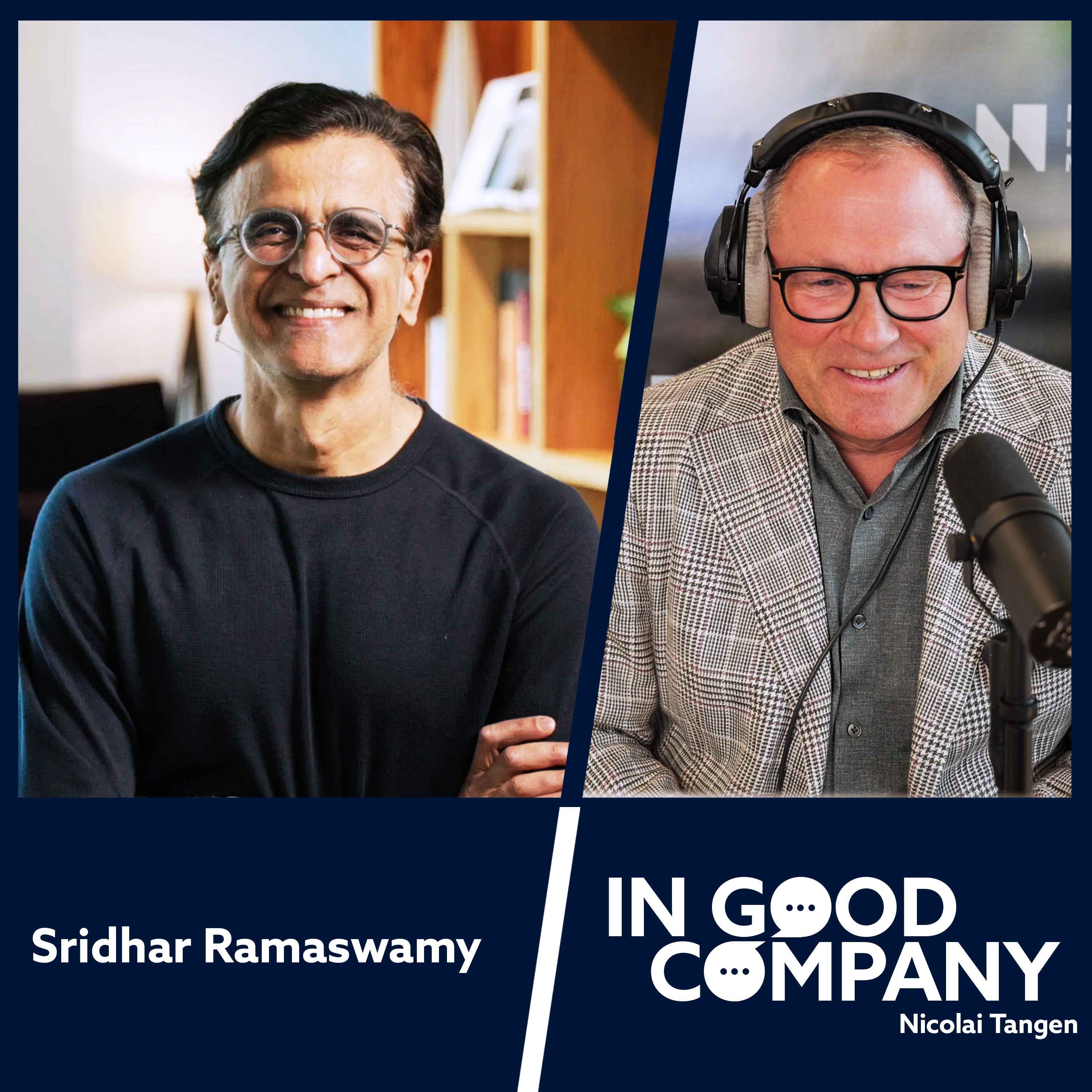
Sridhar Ramaswamy found that his skills as a Google executive—running large teams and complex businesses—did not translate to founding Neva. The early consumer startup journey is dominated by the search for product-market fit, a chaotic process where his corporate experience provided little advantage.
While no single path guarantees startup success, the phrase "there's no one right answer" is dangerous. It implies all approaches are equally valid, leading founders to choose easy methods over proven, difficult ones. In reality, only a handful of paths are viable, while the vast majority ensure failure.

In school or corporate jobs, the 'rules for success' are provided. Founders enter a world with no such rubric and often fail because they don't consciously develop their own theory of how the world works, instead defaulting to shallow, unexamined beliefs about what founders 'should' do.

Grand, ambitious visions often cause founders to ignore the humble, small, and sometimes embarrassing starting points where true product-market fit is found. As Zynga's founder learned, new founders have an advantage because they are more willing to start small and win.

The "just keep iterating" mindset, popularized by Lean Startup and Agile, is dangerous without a clear vision acting as a filter. It encourages a "throw things at the wall" approach, resulting in "pivotitis" (constant, aimless pivoting) and a lack of meaningful, long-term progress.

The pressure to show rapid growth can trap intelligent entrepreneurs into building features, not durable solutions. The ideal path is between decade-long 'hard problems' and quick-win products, focusing on building a real moat that isn't easily replicated.
Many founders have a valuable product and positive feedback, yet fail to achieve takeoff. This is not an anomaly but the default outcome of conventional startup thinking, which focuses on value props instead of the actual triggers for purchasing. The common approach is intuitive but often ineffective in practice.
A key pattern among founders who fail is a refusal to accept unmovable realities, such as market dynamics. Instead of adapting, they try to change fundamental truths. Successful founders, in contrast, are truth-seekers who figure out how to work with or around constraints.