Get your free personalized podcast brief
We scan new podcasts and send you the top 5 insights daily.
The founder of Stormy AI pivoted from a context-aware AI to influencer marketing late in his YC batch. He realized his initial concept, while cool, didn't solve a burning customer problem. He then deferred and re-entered YC with a much stronger product, demonstrating the value of radical change even late in an accelerator program.

Related Insights
The turning point came when a simple OpenAI API call solved a customer's problem more effectively than their complex, slow data science script. This stark contrast revealed the massive opportunity in leveraging modern AI and triggered their pivot.

Founders can waste time trying to force an initial idea. The key is to remain open-minded and identify where the market is surprisingly easy to sell into. Mercor found hypergrowth by pivoting from general hiring to serving the intense, specific needs of AI labs.

The founders got into YC with a music app that had 50,000 users but poor retention, proving they could build and attract users. Their strong co-founder bond and willingness to pivot were key. YC invested in their proven ability to execute, not their specific (and flawed) initial idea.

Deciding to pivot isn't about perseverance; it's a cold, rational decision made when you've exhausted all non-ridiculous ideas for success. The main barrier is emotional—it's "fucking humiliating" to admit you were wrong. The key is to separate the intellectual decision from the emotional cost.

AI tools drastically reduce the time and expertise needed to enter new domains. This allows startups to pivot their entire company quickly to capitalize on shifting investor sentiment and market narratives, making them more agile in a hype-driven environment where narrative alignment attracts capital.

Major tech successes often emerge from iterating on an initial concept. Twitter evolved from the podcasting app Odeo, and Instagram from the check-in app Burbn. This shows that the act of building is a discovery process for the winning idea, which is rarely the first one.

A visionary founder must be willing to shelve their ultimate, long-term product vision if the market isn't ready. The pragmatic approach is to pivot to an immediate, tangible customer problem. This builds a foundational business and necessary ecosystem trust, paving the way to realize the grander vision in the future.

Many founders become too attached to what they've built. The ability to unemotionally kill products that aren't working—even core parts of the business—is a superpower. This prevents wasting resources and allows for the rapid pivots necessary to find true product-market fit.
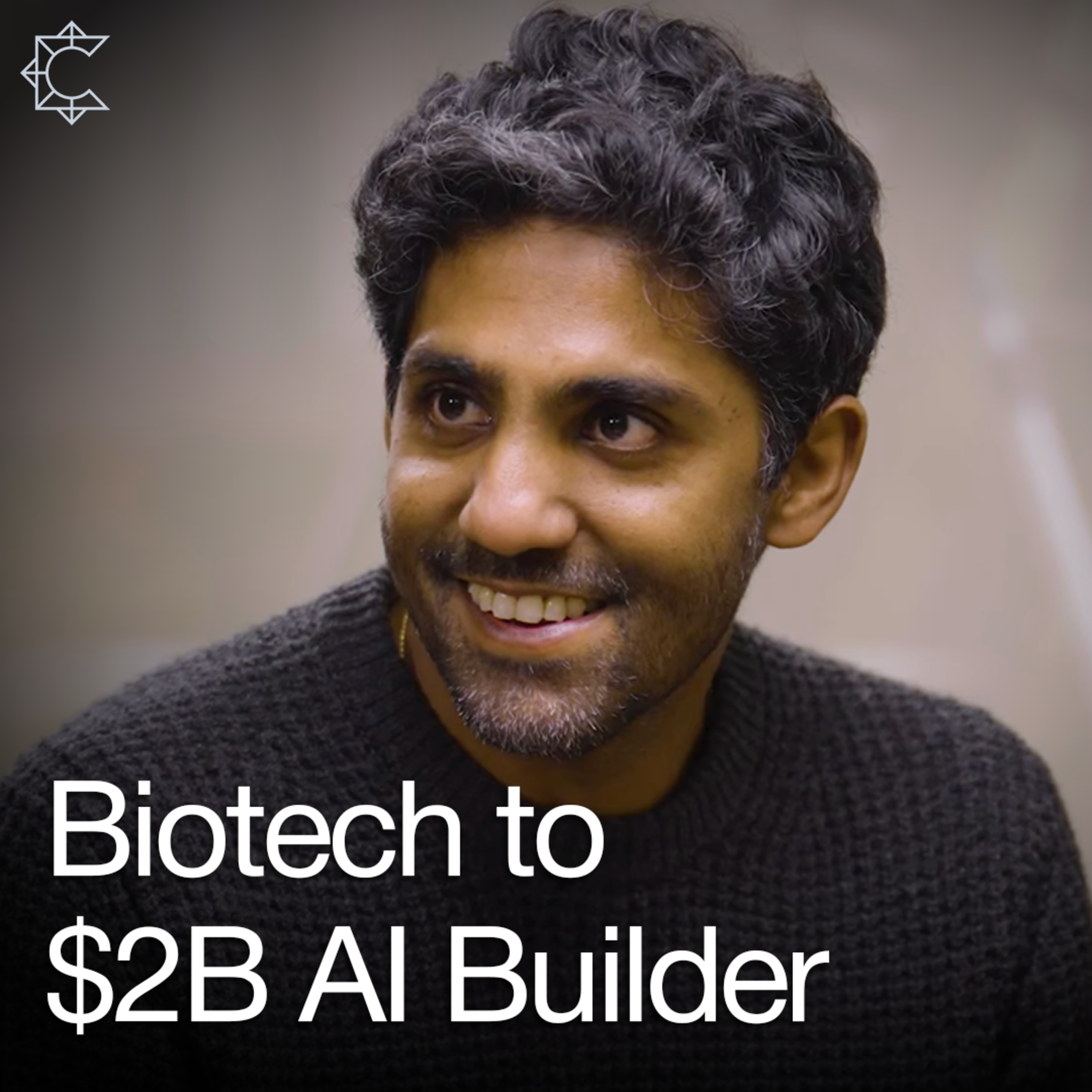
The Stormy AI founder advocates for prioritizing a founder's internal "hunch" over direct customer feedback for breakthrough ideas. He argues that while customer interviews are good for incremental improvements, building a truly massive company requires a unique, non-obvious secret or vision that data alone cannot provide. This conviction fuels persistence through tough times.
Hera's founders initially built a full video editor but found users were only excited by the motion graphics feature. They pivoted to focus exclusively on that, built a prototype in two days, and were accepted into YC a week later, validating the importance of following user excitement over a preconceived vision.