Get your free personalized podcast brief
We scan new podcasts and send you the top 5 insights daily.
Special Purpose Vehicles (SPVs) are often viewed simply as a way to gain exposure to a company. However, for a publicly listed closed-end fund, SPVs serve a critical technical function: managing ownership percentages to comply with diversification rules necessary for favorable tax treatment.

Related Insights
The Section 351 tax code is intended for contributing an already diversified portfolio into a new ETF, not for taking a concentrated position and diversifying it tax-free. That latter goal is governed by the more restrictive Section 721, which often involves private partnerships and a seven-year holding period.

Contrary to the idea that all capital is good capital, elite founders strongly dislike SPVs. They want to know exactly who is on their cap table and view SPVs as a risky, obfuscated way to assemble capital that compromises control.

Complex, multi-layered SPVs used to sell private stock to smaller investors are creating massive hidden risks. With stacked fees and lack of transparency, a wave of litigation from aggrieved investors is inevitable when these companies IPO and the true, diluted returns are finally revealed.

To participate in highly competitive late-stage deals, some VCs organize SPVs without management fees or carry. While not directly profitable, this helps the startup fundraise, strengthens the relationship, protects the VC's original investment, and signals access to LPs for future funds.

Founders largely dislike Special Purpose Vehicles (SPVs) because they mask the true identity of investors on their capitalization table. This lack of transparency is seen as a risk, leading companies like Anduril to actively combat what they call "SPV hucksters."

A significant, yet uncommon, sign of an LP-friendly VC is returning a portion of the carry from Special Purpose Vehicles (SPVs) to the original fund's LPs. This acknowledges that the main fund's resources and reputation sourced the follow-on investment opportunity in the first place.

In hot secondary markets, investors often buy shares in a Special Purpose Vehicle (SPV) that holds the stock (L1). These SPVs can be nested (L2, L3), moving the investor further from the actual asset and introducing hidden layers of fees and significant counterparty risk.
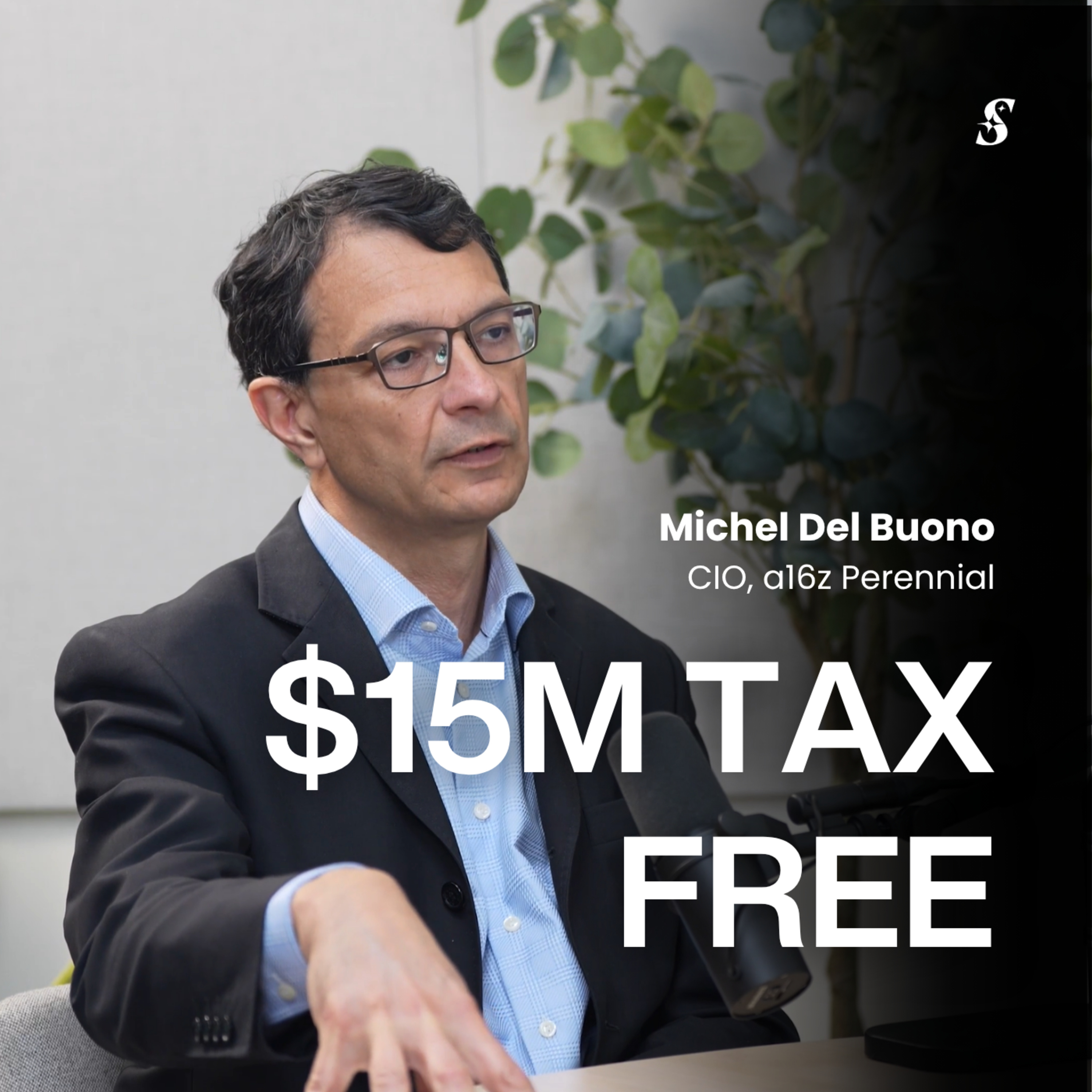
Large LPs are increasingly investing directly in top-tier private tech companies, circumventing traditional VC funds. They gain access through SPVs with minimal fees, creating a competitive dynamic where VCs must justify their value proposition against direct, low-cost access to the most sought-after deals.

Many secondary market SPVs don't grant investors direct ownership of shares. Instead, an employee holds the stock in a separate entity and sells shares of that entity. This structure can allow the employee to sell the underlying stock without the SPV investors' consent, introducing a major risk.

Oren Zeev argues that LPs should seek diversification across their portfolio of GPs, not within a single fund. He believes GPs should be concentrated in their best deals to maximize returns, noting that concentration limits at the fund level don't benefit LPs who are already diversified across many managers.