Get your free personalized podcast brief
We scan new podcasts and send you the top 5 insights daily.
Mark Cuban's Cost-Plus Drugs is expanding beyond pharmaceuticals by tackling hospital pricing. Their strategy is to negotiate transparent, fair prices (e.g., 110% of Medicare) with hospital systems and then publicly post the contract, allowing any other self-insured business to get the same deal. This turns transparency into a powerful go-to-market wedge.

Related Insights
By negotiating prices down from over $1,000 to as low as $150 per month, the government deal fundamentally shifts Ozempic's market position. It is no longer a high-end luxury akin to plastic surgery but an accessible wellness product comparable to a fancy gym membership, dramatically expanding its addressable market.

The common misconception is that market access teams just set prices. In reality, they are a complete business leadership team with diverse expertise in health economics, strategy, and outcomes research. They must understand the entire business environment to demonstrate a therapy's value and ensure its commercial success, operating far beyond a simple pricing role.

To fix the R&D funding imbalance, the CEO proposes a 'one fair price' system. A drug would have one US price with no rebates, and a price in other developed nations would be indexed to their GDP per capita.
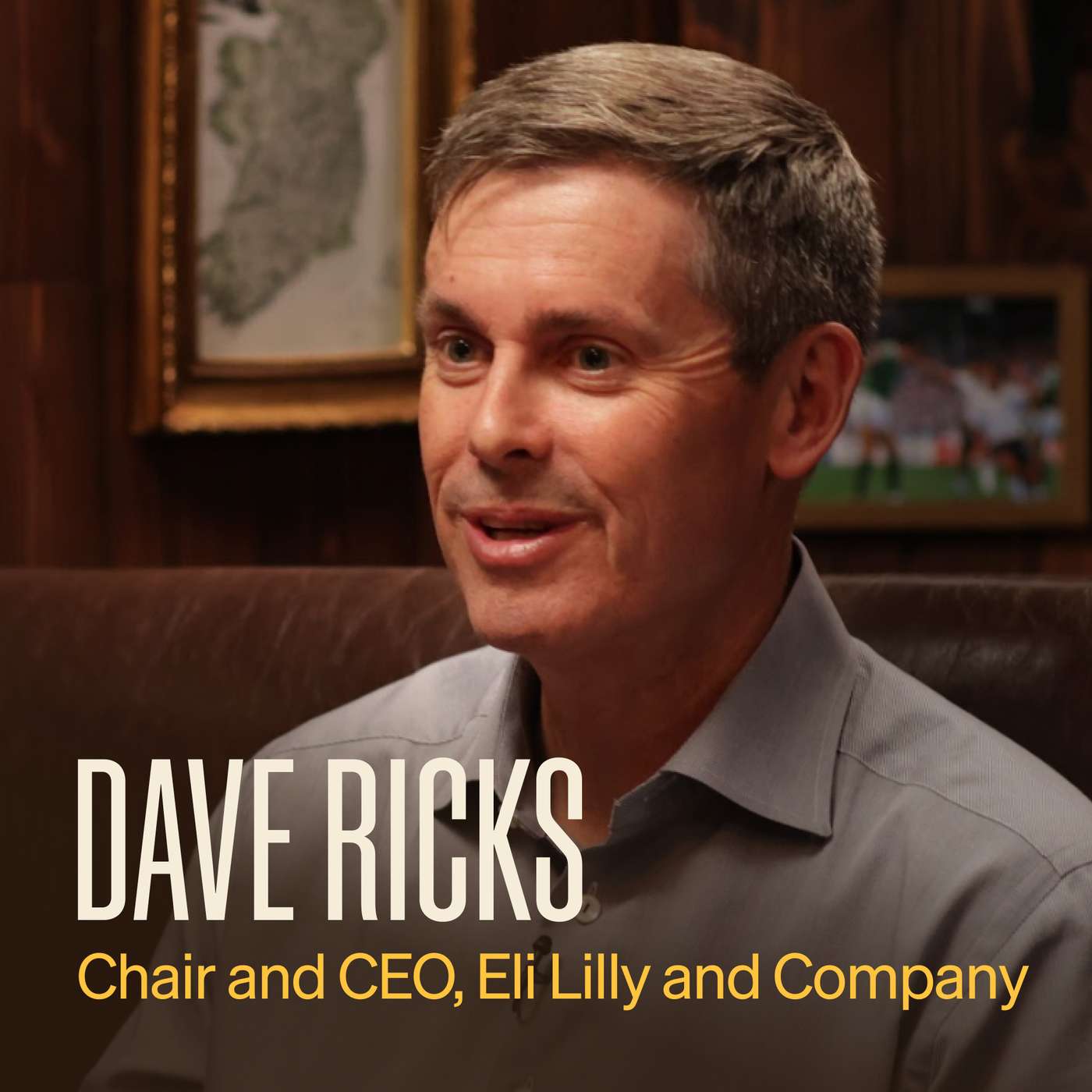
The emergence of low-cost, compounded versions of GLP-1 drugs from telehealth companies like Hims is creating significant pricing pressure on market leaders Novo Nordisk and Eli Lilly. This dynamic has pushed the pharma giants toward direct-to-consumer models with lower prices to compete.

Proposing an outcome-based pricing model next to a high fixed-fee option forces the negotiation to focus on value, not cost. Even if the customer chooses the fixed fee, they're anchored on a much higher number and are less likely to negotiate it down significantly.

True innovation in getting drugs to patients is not about pharma creating pricing models alone. It requires a multi-stakeholder partnership where payers, physicians, and manufacturers work together to solve problems for specific patient subgroups. This collaborative effort, not a unilateral one, is what truly saves lives and reduces costs.
By aggregating millions of users, ZocDoc acts as a collective bargaining unit for patients. It uses its marketplace power to reward providers for patient-friendly behavior (e.g., price transparency, better hours) with better visibility, proving more effective at driving change than punitive government regulations.

Cuban's motivation for his company Cost Plus Drugs isn't profit; he'd be happy breaking even. His goal is to fix a universally broken system, driven by competitive spirit and a desire for a legacy beyond wealth.

Beyond low-cost generic drugs, Cuban's company negotiates directly with hospitals for better prices. The truly disruptive move is publishing this transparent contract online (at costpluswellness.com), empowering any self-insured business to bypass insurance middlemen and access the same pre-negotiated rates.
New "voluntary" CMS programs, like BALANCE for obesity drugs, are creating a framework for Most Favored Nation (MFN) style pricing in the US. They allow manufacturers to trade lower, internationally-referenced prices for higher volumes, fundamentally altering the US pricing landscape from the inside out.
