Get your free personalized podcast brief
We scan new podcasts and send you the top 5 insights daily.
Beyond low-cost generic drugs, Cuban's company negotiates directly with hospitals for better prices. The truly disruptive move is publishing this transparent contract online (at costpluswellness.com), empowering any self-insured business to bypass insurance middlemen and access the same pre-negotiated rates.
Related Insights
Startup With Coverage's innovation isn't just tech; it's a business model shift. By charging a flat service fee instead of commissions, they align incentives to find clients the best, most affordable insurance, unlike traditional brokers who profit from higher premiums.
Mark Cuban reveals the primary barrier to making generic drugs in the US isn't production cost, which can be cheaper than overseas, but the prohibitive FDA application fees costing hundreds of thousands per drug.

The emergence of low-cost, compounded versions of GLP-1 drugs from telehealth companies like Hims is creating significant pricing pressure on market leaders Novo Nordisk and Eli Lilly. This dynamic has pushed the pharma giants toward direct-to-consumer models with lower prices to compete.

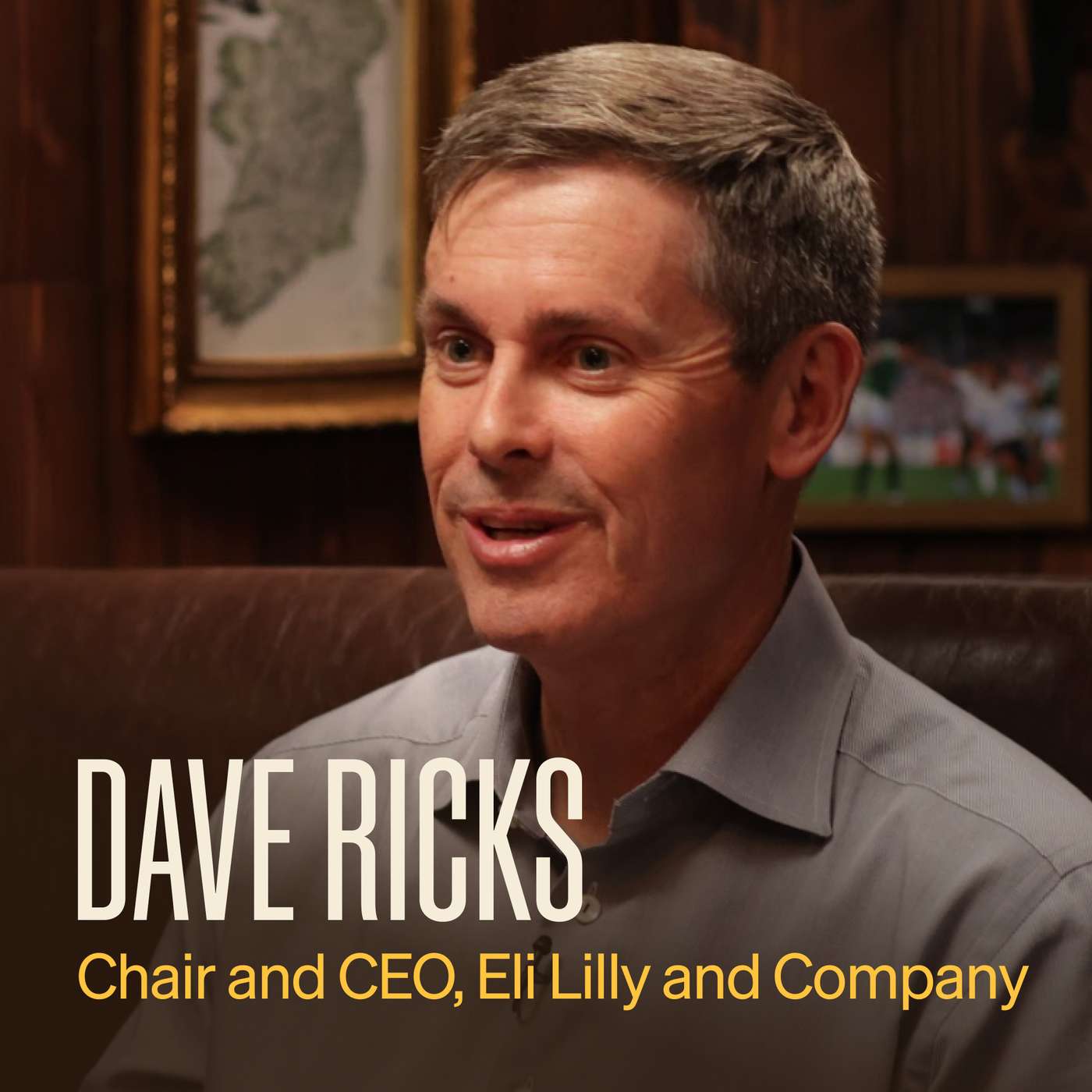
True innovation in getting drugs to patients is not about pharma creating pricing models alone. It requires a multi-stakeholder partnership where payers, physicians, and manufacturers work together to solve problems for specific patient subgroups. This collaborative effort, not a unilateral one, is what truly saves lives and reduces costs.

By aggregating millions of users, ZocDoc acts as a collective bargaining unit for patients. It uses its marketplace power to reward providers for patient-friendly behavior (e.g., price transparency, better hours) with better visibility, proving more effective at driving change than punitive government regulations.

To solve the insulin price bubble, Eli Lilly launched its own low-list-price biosimilar. However, insurers and PBMs initially refused to cover it because its low price and small rebate threatened their lucrative business model.
Unlike typical tech disruption, healthcare often requires collaboration. Startups effectively "rent" distribution and patient access from incumbents. In return, incumbents "rent" cutting-edge innovation from startups, creating a necessary symbiotic relationship.

Cuban's motivation for his company Cost Plus Drugs isn't profit; he'd be happy breaking even. His goal is to fix a universally broken system, driven by competitive spirit and a desire for a legacy beyond wealth.
Unlike labor-dependent services that get more expensive, prescription drugs offer a unique societal ROI because they eventually go generic and become cheaper. This deflationary aspect is a powerful, underappreciated argument for investing in drug development, as successful medicines provide compounding value to society over time.

As pharma companies build direct-to-consumer (DTC) channels for high-demand drugs, large employers see an alternative. This could motivate them to drop insurance coverage, shifting costs to individuals and paradoxically reducing overall access despite the new DTC option.