Get your free personalized podcast brief
We scan new podcasts and send you the top 5 insights daily.
Despite public polling indicating a desire for less immigration, the Labour government's move to suppress it did not result in political gains. This suggests voters who prioritize the issue were not Labour supporters to begin with, and the policy failed to attract new ones.

Related Insights
While media narratives suggest the UK is on the brink of explosion over immigration, the reality is that peaceful protests are a constructive release of pressure. If the government responds to these concerns, it could lead to positive change; ignoring them, however, risks a genuine crisis.

A stark divide exists in opinions on issues like immigration between those who experience its effects and those who don't. Elites in insulated, affluent areas can maintain idealistic views, while working-class communities facing cultural clashes and resource strain develop more skeptical perspectives.

Public opposition to immigration in Britain stems from a perceived lack of control at the borders, epitomized by asylum seekers in boats, rather than animosity toward immigrants who have already arrived and are seen as deserving of equal rights.
Ideological loyalty is an illusion in politics. Once in power, parties will quickly abandon the very groups that propelled them there if it is politically expedient. Examples include the UK's Labour Party turning on unions and Democrats ignoring BLM after the 2020 election. Power, not principle, is the goal.

Friction around immigration stems primarily from economic anxiety rather than pure xenophobia. If the system were structured so that every immigrant measurably increased the personal wealth of existing citizens, public sentiment would likely shift to overwhelmingly favor more immigration. The core issue is perceived resource drain.

Public opposition to immigration is rooted in economic anxiety over a perceived shrinking pie. If every immigrant demonstrably increased the personal wealth of existing citizens, resistance would largely evaporate. This reveals that the core driver is economic self-interest, often mislabeled as racism.

The Labour government, ironically led by London-native politicians, is enacting policies detrimental to the capital. This paradoxical strategy stems from the political calculation that London is now a solidly Labour city, meaning the party no longer needs to compete for its votes and can focus on other regions.

In a counter-intuitive argument, the UK's Home Secretary, herself the daughter of immigrants, posits that restricting immigration is necessary to protect social harmony. The theory is that a perceived lack of control fuels public panic and racism, so tightening controls will calm tensions and ultimately shore up multiculturalism.

Despite claiming growth is its top mission, the UK government is pursuing anti-growth measures. These include making permanent residency harder to obtain, which limits skilled migration, and passing employment bills that increase the difficulty and cost of hiring, directly undermining business expansion.
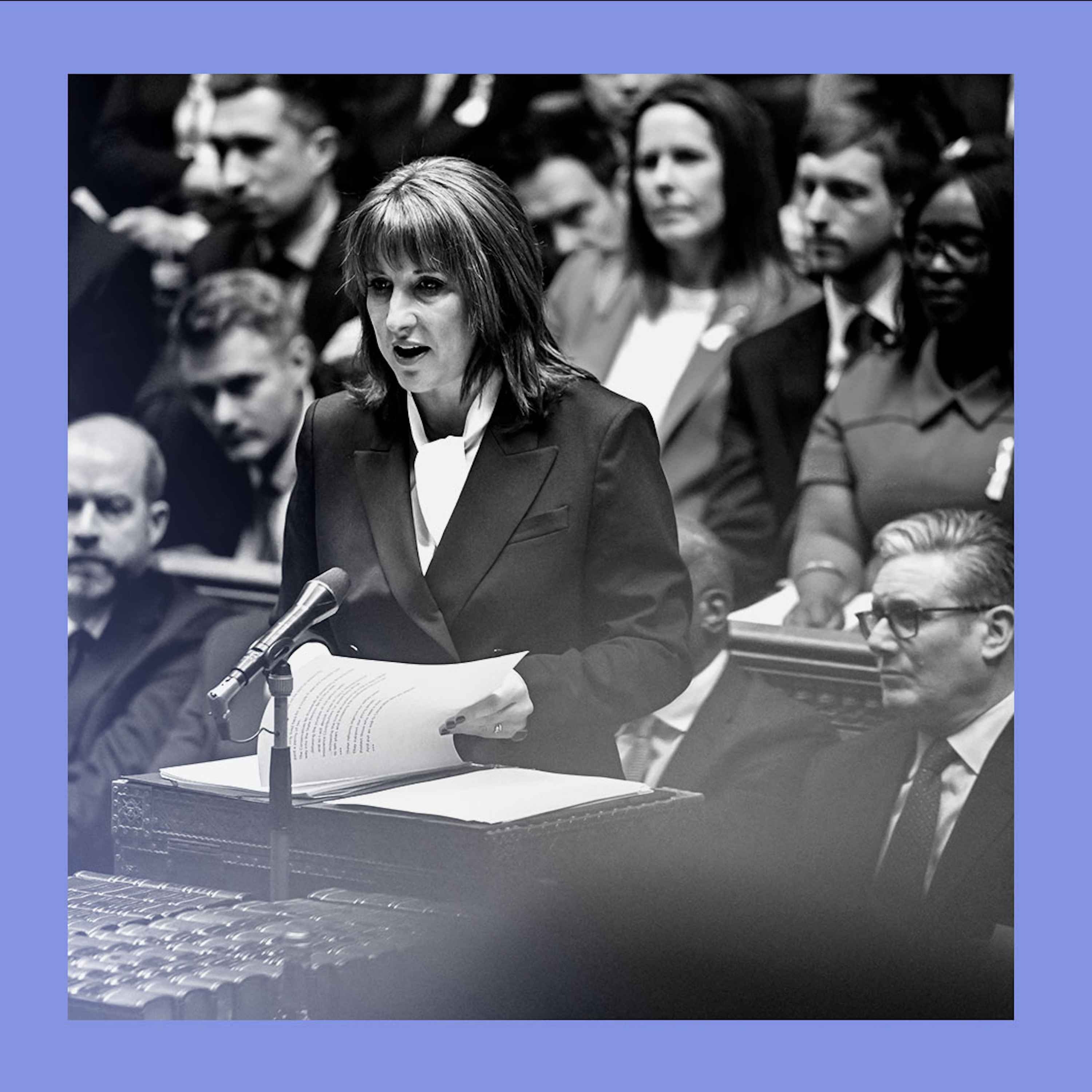
Britain is modeling its new asylum system on Denmark's, even though Denmark is far less successful at integrating immigrants into its society and workforce. This strategic shift risks importing Denmark's integration failures in an attempt to deter new arrivals and address political pressures from populist parties.