Get your free personalized podcast brief
We scan new podcasts and send you the top 5 insights daily.
China maintains dominance not by restricting supply, but by demonstrating its ability to flood the market at will. This uncertainty makes new Western mining projects financially non-viable without significant government support like price floors or guaranteed offtake agreements, effectively killing competition before it starts.

Related Insights
From China's perspective, producing more than it needs and exporting at cutthroat prices is a strategic tool, not an economic problem. This form of industrial warfare is designed to weaken other nations' manufacturing bases, prioritizing geopolitical goals over profit.
While the US focuses on quarterly returns, China has spent decades investing in and controlling the supply chain for critical minerals essential for technology and defense, securing long-term leverage.

For 30 years, China identified rare earths as a strategic industry. By massively subsidizing its own companies and dumping product to crash prices, it methodically drove US and global competitors out of business, successfully creating a coercive dependency for the rest of the world.

China is leveraging its 90% control over rare earth processing not just against the US, but globally. By requiring licenses from any company worldwide, it creates a chokehold on high-tech manufacturing and establishes a new template for economic coercion.
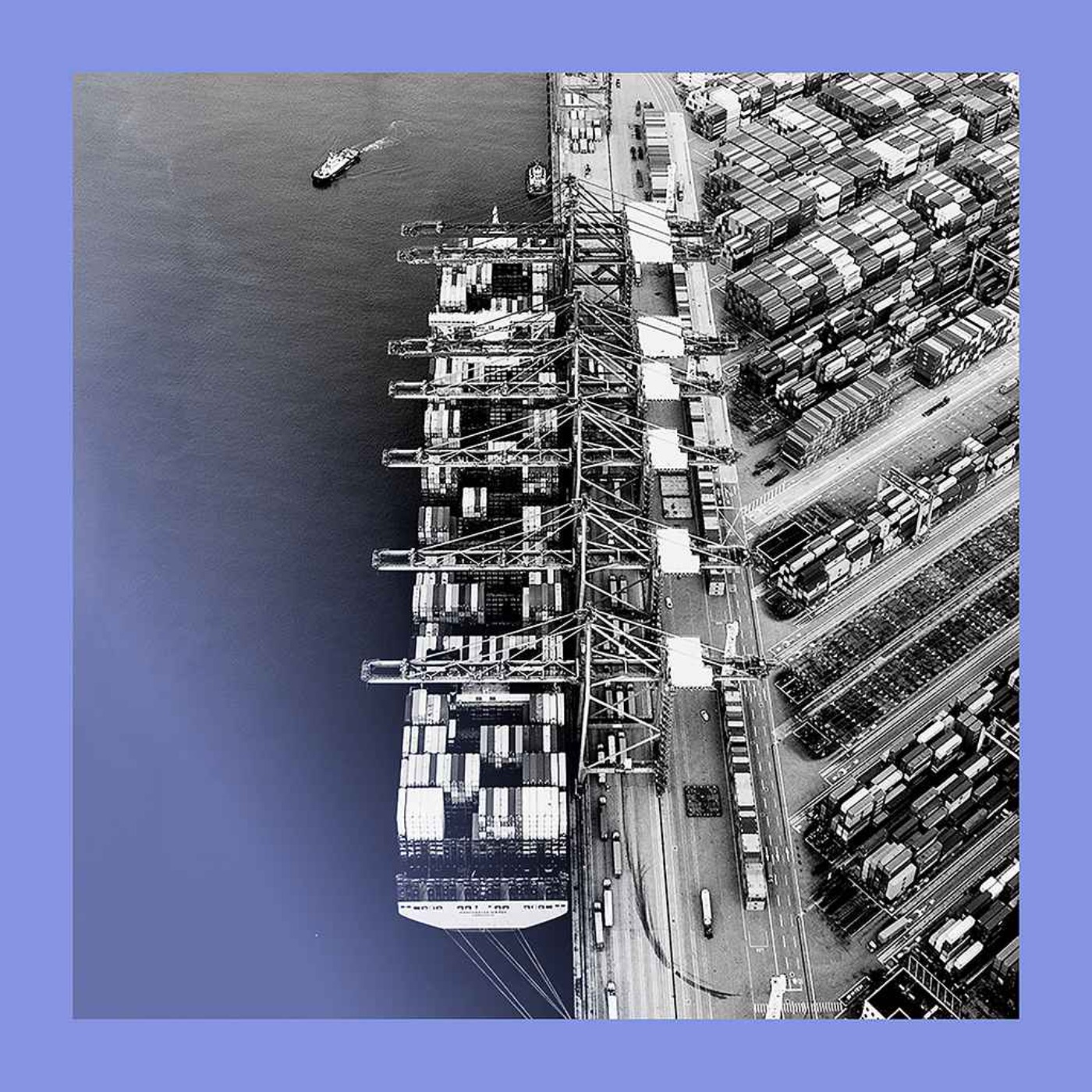
China employs "weaponized pricing" by offering refining services at a negative cost, effectively paying countries to process their copper. This tactic makes it impossible for Western refiners to compete, ensuring China maintains its stranglehold on the critical midstream supply chain.

To combat China's ability to dump products and destabilize markets, the US government should act as a buyer of last resort for critical materials like rare earths. This would create a strategic reserve, similar to the petroleum reserve, ensuring price stability for domestic investment and manufacturing.
China achieved its near-monopoly on rare earths not by chance, but through a long-term state-sponsored strategy. This involved providing capital to key firms, funding overseas acquisitions, banning foreign ownership of domestic mines, and consolidating the industry to control global prices.

China is restricting exports of essential rare earth minerals and EV battery manufacturing equipment. This is a strategic move to protect its global dominance in these critical industries, leveraging the fact that other countries have outsourced environmentally harmful mining to them for decades.

China's economic model, driven by internal provincial competition, creates massive overcapacity. This is intentionally turned into an asset by dumping subsidized products (like EVs) into foreign markets below cost. The goal is to eliminate foreign competitors, create dependency, and convert domestic economic chaos into international power.

The key to breaking China's monopoly on rare earths isn't just sourcing minerals, but creating a commercially viable market. The US government is actively negotiating demand-side pricing deals with allied nations to counteract Chinese subsidies, recognizing that fixing the pricing mechanism is as critical as securing the physical supply.
