Get your free personalized podcast brief
We scan new podcasts and send you the top 5 insights daily.
A contractor's advice, "hurry slowly," perfectly encapsulates the sustainable pace required for entrepreneurship. Founders should maintain momentum but do so methodically, avoiding reactive decisions. This mindset is crucial for surviving the inevitable decade-long journey before a potential exit.

Related Insights
When facing major life changes like a new child or a demanding job, the solution isn't to "hustle harder." Instead, successful founders intentionally pause large, demanding projects (like a new SaaS) and switch to smaller, "step one" businesses or maintenance mode. This preserves momentum without causing burnout.

During Ethic's long build phase before traction, the founder found it crucial to ignore external validation signals like other companies' funding announcements. The key to surviving this lonely period is a relentless daily focus on execution and solving customer problems, not chasing industry hype.

As startups hire and add structure, they create a natural pull towards slower, more organized processes—a 'slowness gravity'. This is the default state. Founders must consciously and continuously fight this tendency to maintain the high-velocity iteration that led to their initial success.

True business success comes from combining long-term strategic patience with urgent, daily execution. Be fast in daily activities, like learning new marketing platforms, but patient with your overall vision, avoiding reckless expansion. This dual mindset balances ambition with sustainability.

Founder Nima Jalali describes the first five years as an all-consuming period with no work-life boundaries. He frames this intense sprint not as a sustainable strategy, but as a necessary, finite phase to build a foundation that later allows for hiring a team and establishing balance.

Instead of chasing the 'hustle' momentum of her early career, the speaker now embraces a slower pace. She realized that she is the source of momentum and can create it whenever needed. This mindset allows her to prioritize a balanced life without fearing she'll become irrelevant or lose opportunities.

Instead of optimizing for a quick win, founders should be "greedy" and select a problem so compelling they can envision working on it for 10-20 years. This long-term alignment is critical for avoiding the burnout and cynicism that comes from building a business you're not passionate about. The problem itself must be the primary source of motivation.

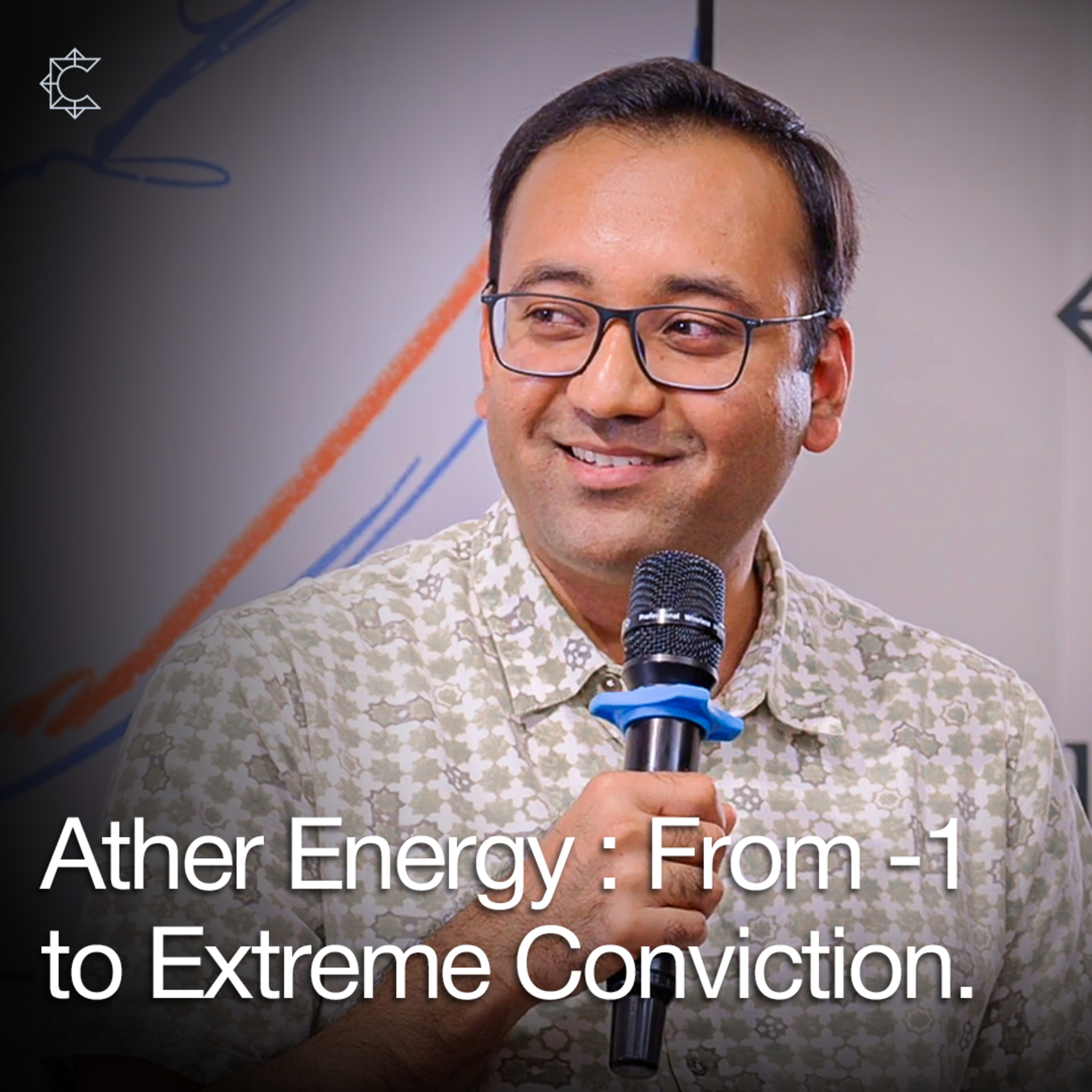
Before officially starting, founders are in a '-1 to 0' phase. Instead of rushing, they should take months or even a year to find a core purpose they can commit to for a decade. This deep conviction provides immense peace, prevents reactive pivots, and sets a stable foundation for the long term.
It takes years of dedicated practice to master a technical skill like being a chiropractor. Entrepreneurship is no different and demands similar patience. Expect a multi-year learning curve where the primary outcome is skill acquisition, not immediate financial success.

The firm distinguishes between speed (magnitude) and velocity (magnitude plus direction). Founders are encouraged to focus on velocity, ensuring the entire team is moving quickly *in the right direction*. This prevents wasted effort where mere motion is mistaken for progress, a common trap in turbulent markets.