Get your free personalized podcast brief
We scan new podcasts and send you the top 5 insights daily.
Donald Trump's seemingly chaotic tariff policy functions as a 'mixed strategy' in game theory. By introducing randomness and forcing a response, he makes other nations reveal their true intentions, distinguishing allies willing to negotiate from rivals who default to immediate hostility, such as China.

Related Insights
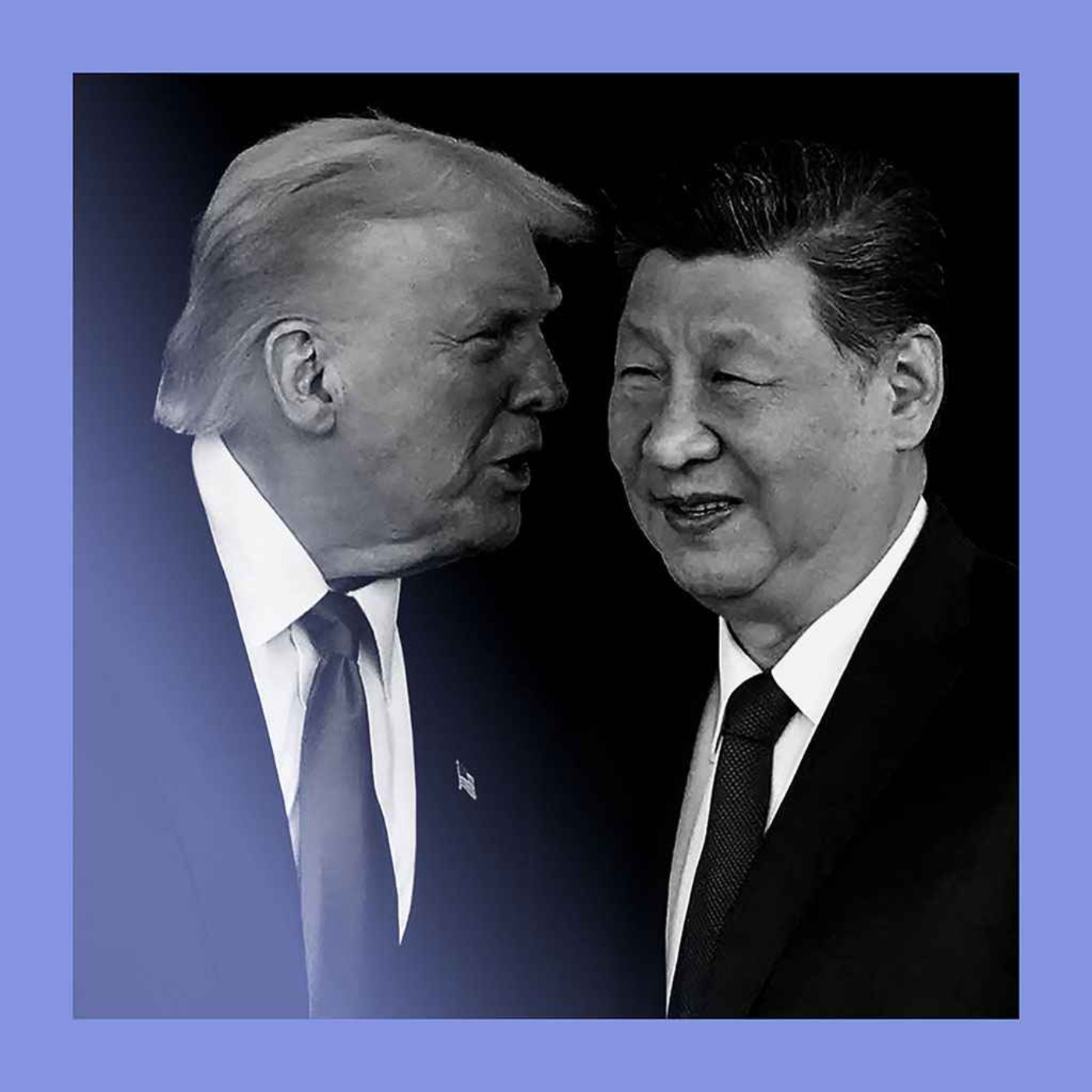
Paradoxically, tariffs intended to punish China could result in it facing lower duty rates than US allies like Japan or South Korea. This is because China possesses unique retaliatory leverage (e.g., rare earths) to force targeted tariff reductions from the U.S., an option unavailable to other nations.

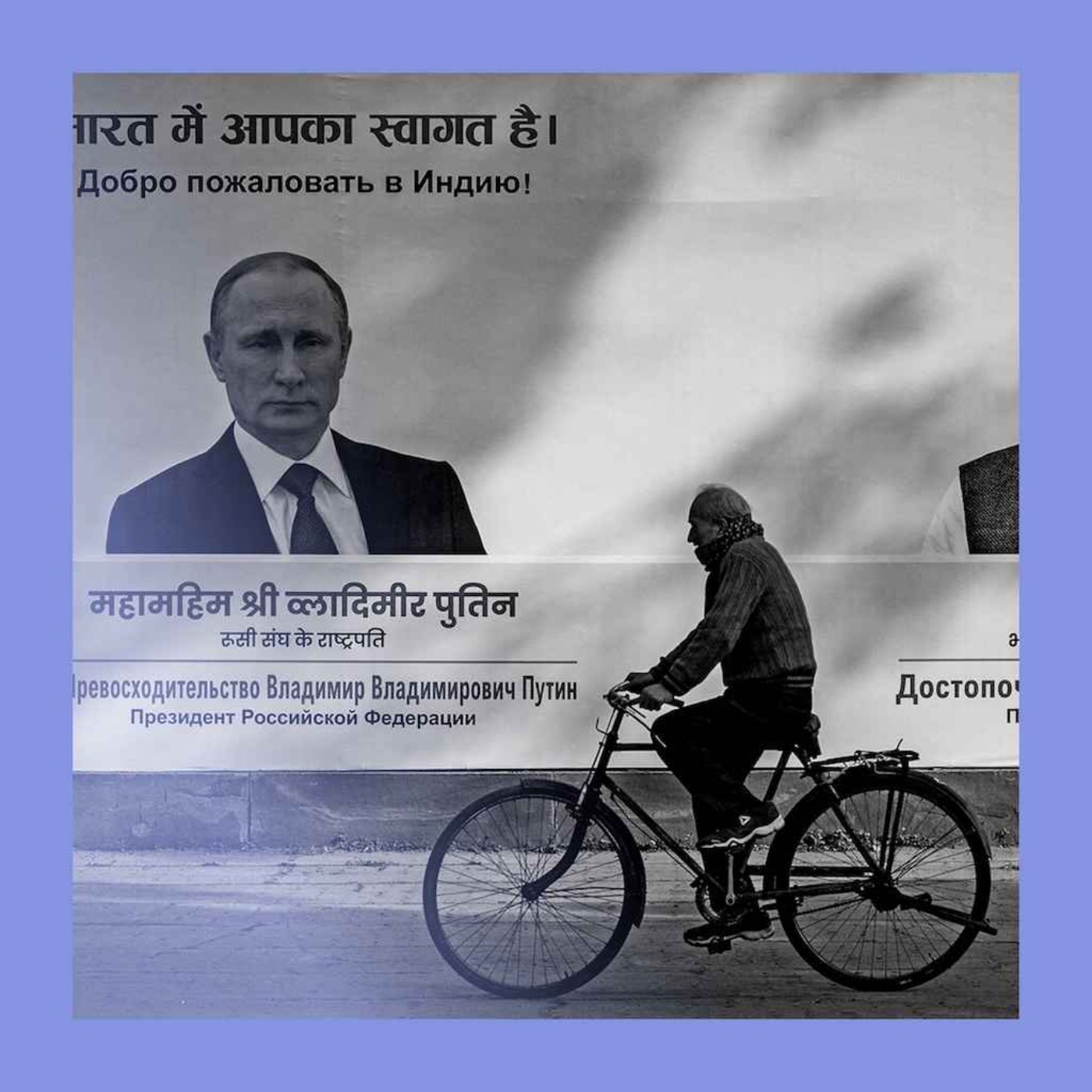
US tariffs, specifically a 50% tariff on India, have pushed Prime Minister Modi to publicly reinforce ties with Russia's Putin. This geopolitical shift is not just based on historical allegiance but is a direct strategic reaction to US economic pressure, demonstrating how "America First" policies can unintentionally benefit adversaries.
Trump's erratic approach isn't random; it's a strategy to create chaos and uncertainty. This keeps adversaries off-balance, allowing him to exploit openings that emerge, much like a disruptive CEO. He is comfortable with instability and uses it as a tool for negotiation and advantage.

The tariff war was not primarily about revenue but a strategic move to create an "artificial negotiating point." By imposing tariffs, the U.S. could then offer reductions in exchange for European countries committing to American technology and supply chains over China's growing, low-cost alternatives.

While publicly announcing a trade truce with China, the Trump administration simultaneously signed deals with other Asian nations to diversify supply chains and bolster defense partnerships, effectively preparing for future confrontation with Beijing.
The success of tariffs hinges on the insight that China's economic model prioritizes volume and employment over per-unit profitability. This creates a vulnerability where Chinese producers are forced to absorb tariff costs to maintain output, effectively subsidizing the tariff revenue and preventing significant price increases for US consumers.
Trump's 'hokey pokey' with tariffs and threats isn't indecisiveness but a consistent strategy: make an agreement, threaten a severe and immediate penalty for breaking it, and actually follow through. This makes his threats credible and functions as a powerful deterrent that administrations lacking his perceived volatility cannot replicate.

Unlike previous administrations that used trade policy for domestic economic goals, Trump's approach is distinguished by his willingness to wield tariffs as a broad geopolitical weapon against allies and adversaries alike, from Canada to India.

Contrary to popular belief, Trump's trade strategy isn't protectionism. He uses reciprocity, leverage, and executive flexibility to force other countries to lower their own trade barriers, ultimately aiming for a world with freer trade for the U.S.

Contrary to popular belief, tariffs can be disinflationary by forcing foreign producers to absorb costs to maintain volume. They also function as a powerful national security tool, compelling countries to negotiate on non-trade issues like fentanyl trafficking by threatening their core economic models.