Get your free personalized podcast brief
We scan new podcasts and send you the top 5 insights daily.
The rising power of female voters in India is being driven by targeted appeals to marginalized women, not just the educated elite. Politicians have found that concrete, tangible welfare policies like cash transfers are highly effective with this demographic, which is far less motivated by ideology or culture war issues than male voters.

Related Insights
While politically effective for winning the increasingly powerful female vote, the surge in direct cash transfer schemes in Indian states is creating a critical trade-off. This massive spending is crowding out investment in more durable, structural improvements for women, such as better education and healthcare infrastructure.
Politicians often strategize about balancing a ticket demographically (e.g., race, gender, sexuality), but this misses the point. Voters ultimately support candidates with whom they feel a values-based connection. A ticket can overcome perceived demographic liabilities if it projects values that resonate with the majority.

Galloway posits that a significant political shift from blue to red occurred among women aged 45-64. He theorizes this is driven by mothers voting for the perceived best interest of their struggling sons or husbands, prioritizing disruptive change over other issues when their family isn't thriving.

Political messaging focused on 'equity' and villainizing wealth often backfires. Most voters don't begrudge success; they want access to economic opportunity for themselves and their families. A winning platform focuses on enabling personal advancement and a fair shot, not on what is described as a 'patronizing' class warfare narrative.

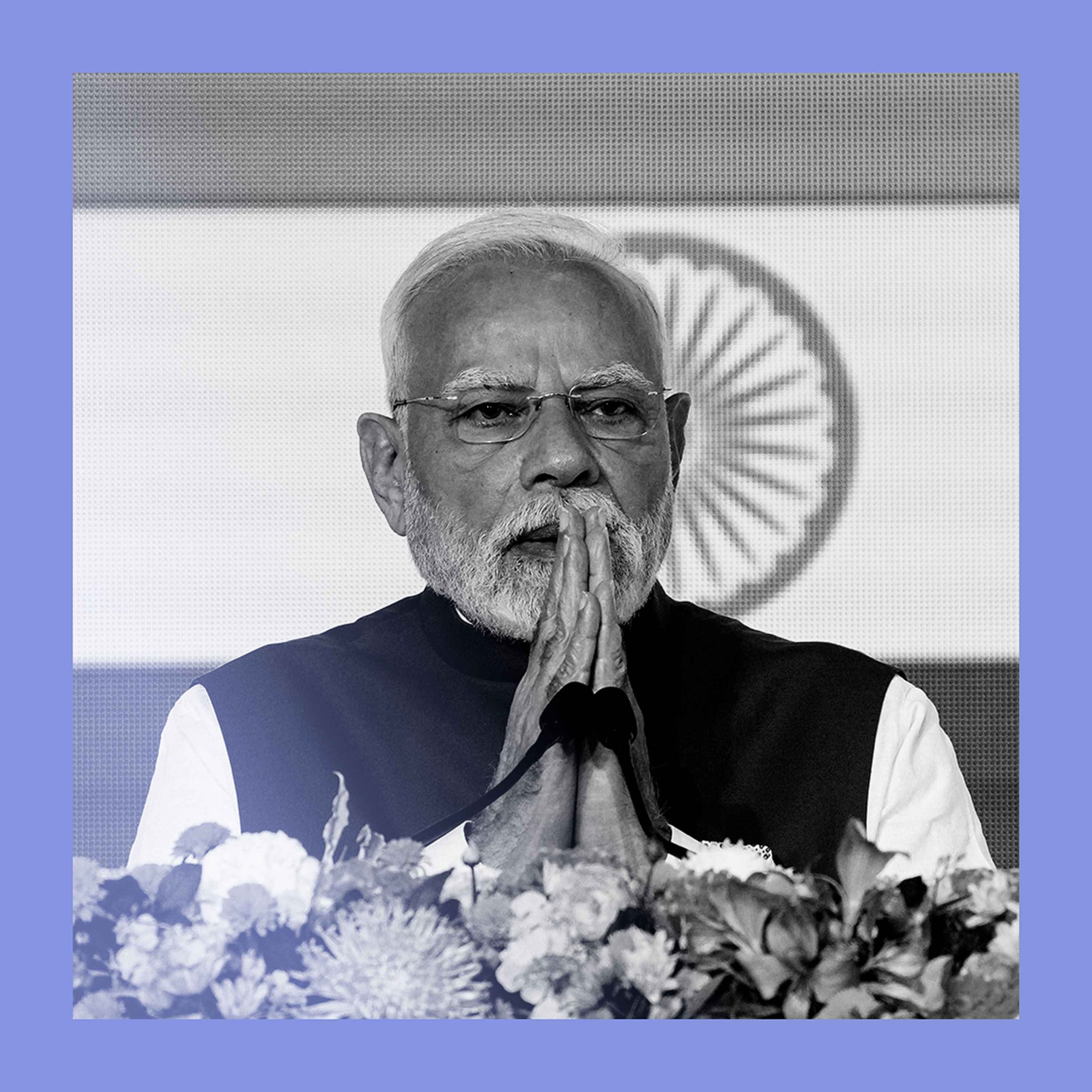
After a disappointing 2024 election where his party lost its majority, Narendra Modi shifted focus from a divisive cultural agenda to pragmatic economic reforms. This includes simplifying taxes, overhauling labor laws, and securing trade deals, a move that has helped him regain political dominance and respond to voter concerns about inflation.
Despite government incentives, China's birth rate is falling. The primary driver is educated, urban women prioritizing careers and freedom over marriage and motherhood. This illustrates that economic development and female empowerment are a more powerful contraceptive than any state policy.
Japanese towns are launching gender equality initiatives not purely for social progress, but as a pragmatic strategy to combat extinction. They need to attract women back to marry and have children. This creates an ironic tension: using progressive policies to encourage women to fulfill traditional roles.
The election of leaders like Japan's female prime minister, who enacts hardline policies, shows that voters are primarily driven by shared values, not identity characteristics. When a leader's ideology matches the electorate's, their gender or race becomes secondary.

A key demographic shift towards Trump was 45-64 year old women. The theory posits these mothers, seeing their sons struggling, voted for radical change, prioritizing their sons' futures over issues like Ukraine or abortion rights.

Data shows that while men reinvest 35% of their wealth, women reinvest 90% back into their families and communities. Empowering women economically is not just about individual success; it's a powerful strategy for circulating capital and creating systemic, positive change in entire communities.
