Get your free personalized podcast brief
We scan new podcasts and send you the top 5 insights daily.
Founder Justin Gold's strategy was to differentiate with flavored nut butters. However, customer requests for a simple, everyday option led him to create a "Classic" version. This plain peanut butter, which he initially resisted creating, quickly became his bestselling product.

Related Insights
When considering adding protein powder to its classic pecan log roll, Stuckey's was advised against it. For a heritage brand, changing a beloved recipe to chase a trend risks alienating its core audience and losing authenticity. Like Stacey's Pita Chips refusing to make a gluten-free version, some products should remain true to their original form.
After a food scientist deemed their flagship pistachio mayo unviable, the founders had one week to create a new product before a major retail pitch. This forced pivot to a sweet spread resulted in a more scalable product that was immediately accepted by a major retailer.

The squeeze pack, designed for athletes, failed in the energy bar aisle. It succeeded only when moved next to the jars, where consumers saw it as a trial-size version for the core product or a portion-control tool, ultimately driving sales for the larger jars.
At farmers markets, Justin Gold received conflicting feedback—some customers found his peanut butter too sweet, others not sweet enough. He learned that he couldn't satisfy everyone and needed to define the product's flavor profile rather than constantly tweaking it to please all.
Taza's attempts to go mass-market with lower prices or "fun flavors" failed. They found success by listening to their core customers who wanted intense cacao flavor. Their #1 selling product, a 95% dark bar, proved the value of doubling down on their super-niche identity.
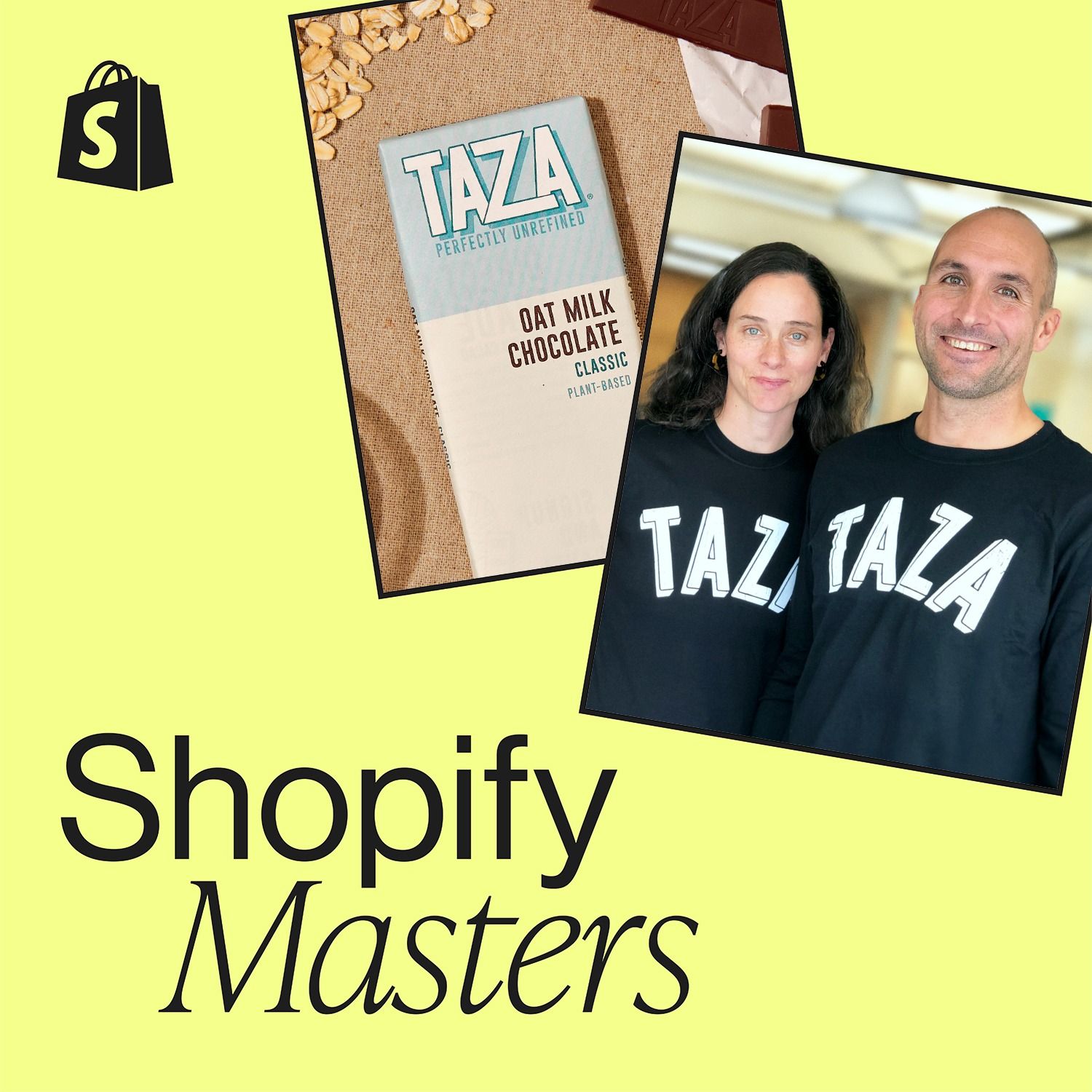
Taza resisted the huge trend of sugar-free chocolate because they couldn't create a version that met their high flavor standards. By refusing to compromise their core product principles, they maintained brand integrity, which was validated when consumer preference swung back to "real" ingredients.
To boost visibility for their risky chain-wide launch, the founders negotiated for a coveted end cap. Instead of a hefty fee, they offered Target an exclusive peanut butter almond flavor, turning product development into a powerful marketing asset.
The key inflection point for Justin's Nut Butter wasn't its recipe but its introduction of single-serve pouches. This format innovation unlocked new use cases (hiking, biking), highlighting that packaging and delivery can be more impactful than the core product itself.
When contract manufacturers rejected making his nut butter squeeze packs due to allergy liability, Justin Gold saw an opportunity. He realized this barrier to entry meant that if he could build the manufacturing capability himself, he would face little to no competition.
To figure out production for his nut butter, Justin Gold studied salsa companies. He reasoned that they used similar glass jars, labels, and fillers. This adjacent-category thinking helped him identify suppliers and manufacturing processes when direct industry information was scarce.