Get your free personalized podcast brief
We scan new podcasts and send you the top 5 insights daily.
Established brands often find their original marketing ethos becomes a liability. To regain relevancy, they must pivot messaging to align with modern cultural values, like shifting from Bowflex's aesthetic-focused ads to the mental and emotional benefits of fitness.

Related Insights
Dos Equis revived its 'Most Interesting Man in the World' campaign but had to update the slogans for a Gen Z audience unfamiliar with the original. By swapping classic lines for tech-centric jokes like 'his phone is addicted to him,' the brand adapted its nostalgic asset for a new generation's cultural context.

Axe Body Spray is pivoting its product and marketing not to appeal to its original millennial users, but to adapt to Gen Alpha teens. This shows that brands built on a specific life stage (like adolescence) must constantly reinvent for new youth cohorts rather than trying to mature with their initial customers.
Instead of chasing new trends, marketers reviving heritage brands should first identify the core, timeless elements that made the brand special at its peak. This "digging through the attic" exercise uncovers distinctive assets that can be modernized for today's audience, rather than starting from scratch.

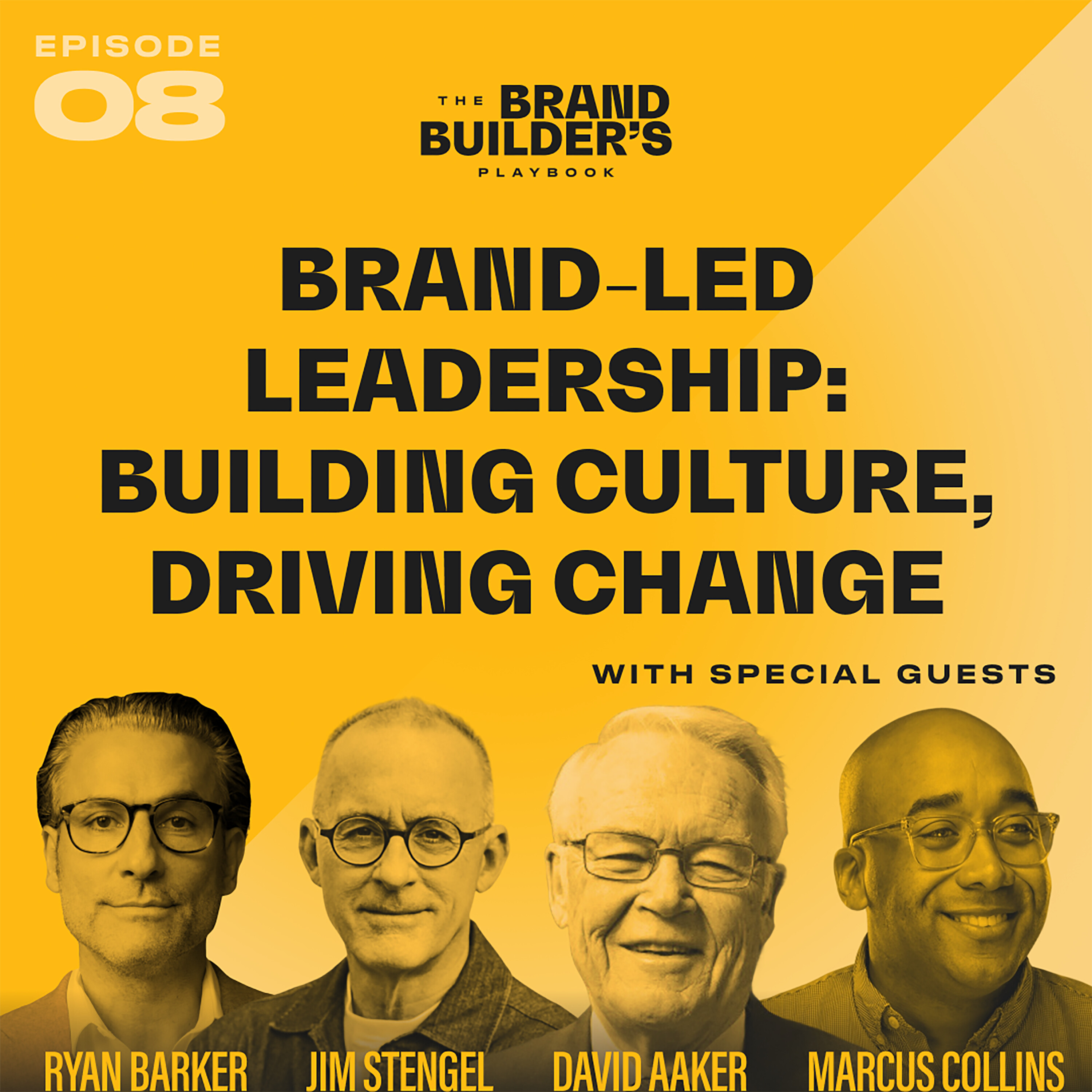
Marcus Collins explains that brands limited to their product (e.g., toothpaste) have little to talk about. However, a brand with a broader ideology (like Nike's belief that "Every human body is an athlete") gains entry and authority to engage in wider cultural discourse, creating significant energy and relevance.
Enduring 'stay-up' brands don't need to fundamentally reinvent their core product. Instead, they should focus on creating opportunities for consumers to 'reappraise' the brand in a current context. The goal is to make the familiar feel fresh and relevant again, connecting it to modern culture.
Brands can no longer rely on loyalty being passed down from parents to children. Each new generation gravitates towards brands that represent its own values. Incumbents must constantly reinvent their approach to engage new youth cohorts or risk fading into obscurity as new challengers emerge.

The common thread among enduring brands like Nike, Visa, and Amazon is their ability to continuously self-disrupt. They adapt to new customer needs and market dynamics—like Nike expanding into women's apparel—while remaining anchored to their fundamental brand identity to avoid inauthentic pivots.

Consumers now expect brands to be active participants in culture, not just observers who use insights for campaigns. This requires brands to move beyond their comfort zone of brand safety guidelines and take a stance on relevant social issues, which is difficult but necessary to win consumer hearts.
Maintaining a brand's core positioning over decades requires evolving tactics. As cultural meanings shift, what once communicated "cool" or "sporty" can become outdated. Brands must adapt their execution to stay consistent with their original promise.
For beloved brands like Levi's, positive associations are often rooted in the past. The core marketing challenge is to create modern-day cultural moments—like a Beyoncé collaboration—to drive "for me, right now" relevance and shift the brand perception from nostalgic to current.