Get your free personalized podcast brief
We scan new podcasts and send you the top 5 insights daily.
The $17B Meta settlement is described as a "nothing burger" that produces no real change for children's safety. It's an act of political theater where Attorneys General can claim a win for their constituents, but the underlying problem remains unsolved, and only the law firms truly win.

Related Insights
Meta's $17B settlement includes a clause to reduce daily time limits for teens even further if competitors like TikTok and YouTube agree to similar terms. This tactic turns a regulatory penalty into a strategic move to level the playing field and impose costs on rivals.
Meta has made 30% of its $18B settlement contingent on states securing similar platform changes and payments from TikTok and YouTube. This legal maneuver aims to neutralize a competitive disadvantage by compelling rivals to adopt the same costly safety measures, reframing Meta as an industry leader.

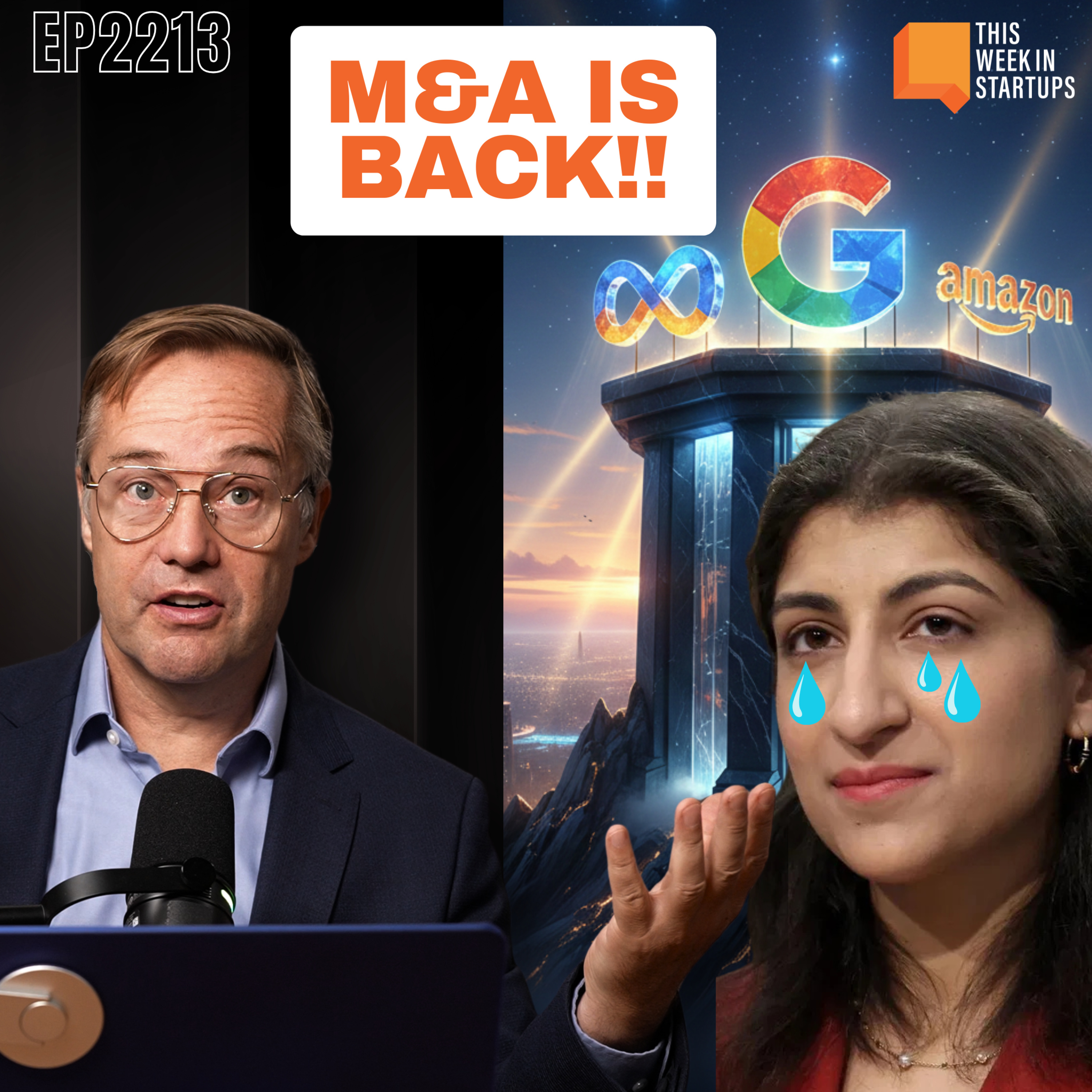
Recent antitrust lawsuits against Meta and Google resulted in minimal consequences ("nothing burgers"), signaling a more permissive regulatory environment. Combined with anticipated economic stimulus, this creates ideal conditions for a wave of large-scale M&A ($25B-$250B) among major tech companies in the coming year.
The current wave of lawsuits against social media companies mirrors the legal challenges faced by Big Tobacco in the 1990s. This precedent suggests the industry will likely consolidate its legal risk by pursuing a single, massive settlement to resolve all claims, rather than fighting thousands of individual cases.

A single multi-million dollar lawsuit against Meta is financially trivial. The real threat is the precedent it sets for thousands of similar cases, creating a wave of litigation and public pressure for regulation akin to the legal battles that ultimately hobbled the tobacco industry.

The Meta settlement contains clauses that incentivize states to pursue similar agreements with other social media giants. Meta's maximum fine and the strictest platform restrictions only activate if states secure deals with competitors like TikTok and Snap, creating a domino effect across the industry.

The wins against Meta and Google are not isolated events but "bellwether" cases that have opened the floodgates for litigation. With this new product liability strategy validated, a massive pipeline of over 1,500 similar lawsuits from individuals, schools, and states is now set to move forward, posing an existential risk.

The current wave of lawsuits against Meta and Google for youth addiction is following the playbook of the 1990s tobacco litigation. The ultimate financial burden will likely fall on the states, which incur costs for mental health services, leading to a massive master settlement agreement rather than individual payouts.

Lawsuits against social media platforms for harming minors are increasingly being won by states, not just individuals. This mirrors the Big Tobacco Master Settlement Agreement, where companies pay states indefinitely to cover societal costs (e.g., healthcare), suggesting a similar long-term financial and regulatory outcome for tech giants.
Meta's $17 billion settlement over child safety was driven by a coalition of state attorneys general. This signals a major shift where states are becoming the de facto regulators of the tech industry, successfully forcing platform changes while federal legislation remains stalled, impacting companies' legal and compliance strategies.
