Get your free personalized podcast brief
We scan new podcasts and send you the top 5 insights daily.
The founder, who is dyslexic, doesn't read business books. Her strategy for staying ahead is to immerse herself in culture and hire young, smart Gen Z employees who are living it. She trusts them to guide the brand, ensuring it moves at the "speed of culture."

Related Insights
Instead of just analyzing data, building a brand for a youth audience requires an "out-of-office culture." Marketers must actively participate in the culture—attending concerts, using platforms, and making content—to gain genuine inspiration.

Understanding current trends is crucial for any brand. This isn't passive knowledge; it requires dedicated daily research, using tools like ChatGPT to systematically analyze what's happening across various cultures. This active intelligence gathering is a core business function.
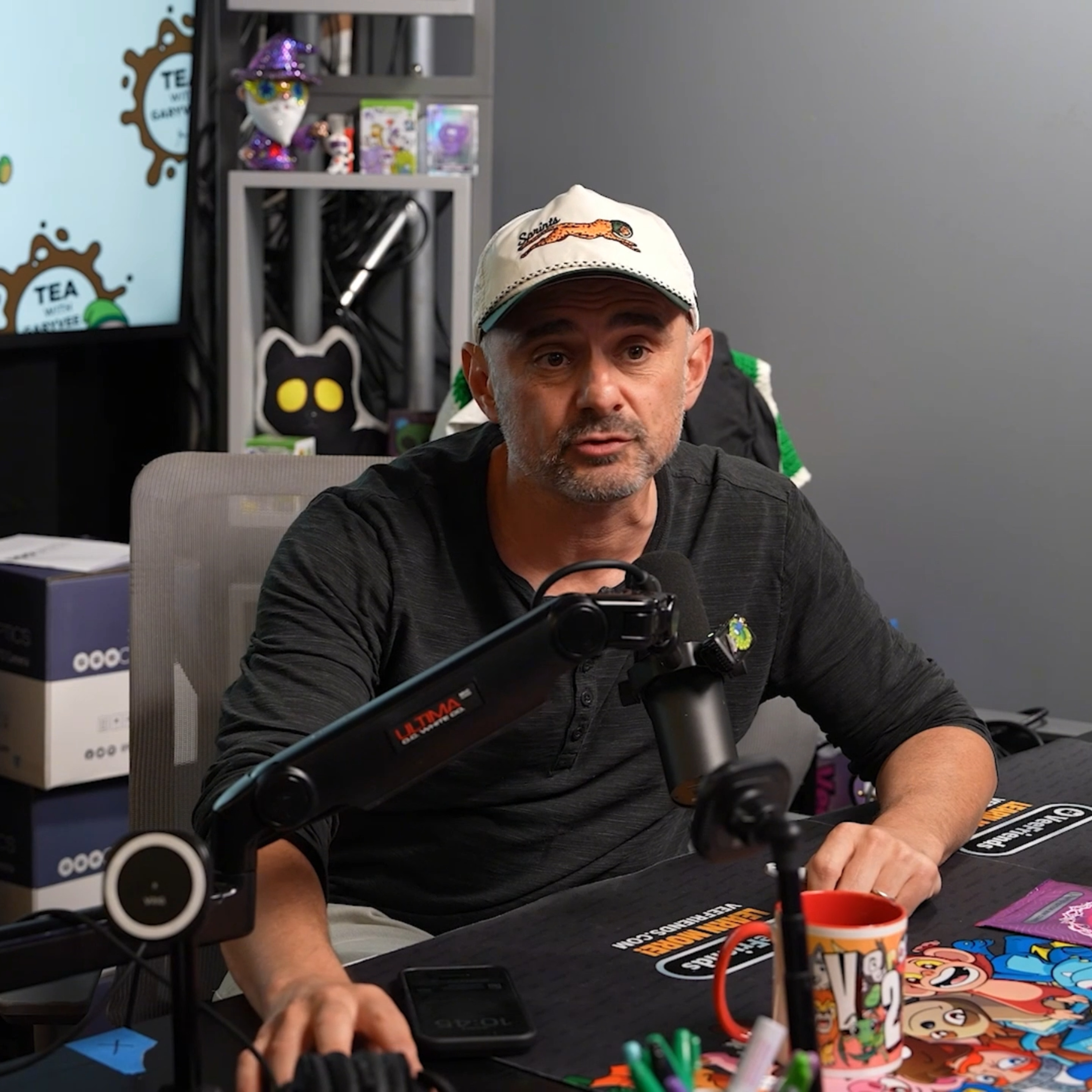
The company's head of marketing convinced the CEO to hire young marketers with unconventional resumes that didn't fit the typical 'perfect GPA' mold. This talent created the brand's wildly successful, 'unhinged' TikTok account, which became a major user acquisition channel, proving the value of diverse hiring perspectives.

In a rapidly shifting cultural landscape, Campari's marketing leader advises executives to be agile and accept they cannot know everything. She stresses the importance of relying on the team to stay educated on new consumer behaviors and trends, especially those driven by younger generations.
Mark Abbott learned that entrepreneurs cannot arbitrarily decide their culture. The marketplace—its pace and ambiguity—determines the culture required to thrive. If an industry moves at 120 mph, you must build a culture of resilience that can match that speed to survive.

Resisting investor pressure to hire a scientist, founder Laura Modi chose a cofounder with an HR background. The goal was to build a resilient culture from day one, believing it was more critical than technical expertise for long-term success.

Countering the belief that success requires constant seriousness, the Poppi founders built a culture where fun is a core component. They view it as fuel that prevents burnout and drives creativity and success. If the work stops being fun, it's a sign that something is wrong.
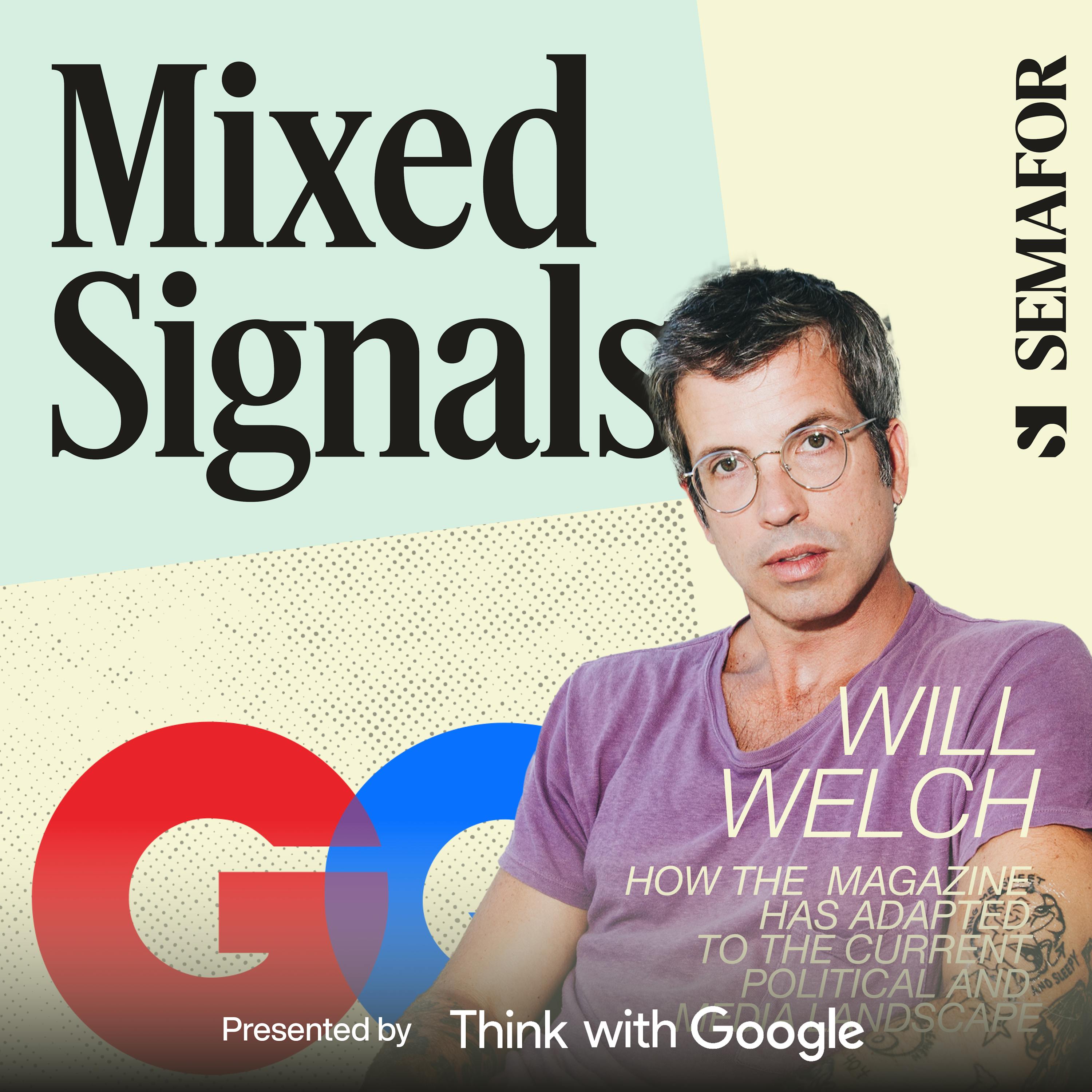
Will Welch, editor of the trend-focused GQ, says his key to staying relevant isn't personal coolness but a relentless focus on hiring. He seeks out young talent with surprising perspectives to continually modify and refresh the brand's voice, viewing hiring as his primary tool for maintaining cultural relevance.
Gen Z possesses valuable business skills learned outside of formal education, such as creating viral videos, building online communities, and strategic thinking from gaming. Leaders should actively seek to "unlock this technological genius" as it directly relates to modern customer engagement and marketing.

Unlike previous generations focused on steady income, Gen Z entrepreneurs embrace high-risk decisions to accelerate growth. They prioritize cultural relevance and visibility, accepting the potential for failure in exchange for rapid scaling, a strategy that is reportedly paying off for them.