Get your free personalized podcast brief
We scan new podcasts and send you the top 5 insights daily.
Resisting investor pressure to hire a scientist, founder Laura Modi chose a cofounder with an HR background. The goal was to build a resilient culture from day one, believing it was more critical than technical expertise for long-term success.

Related Insights
Deel's hiring philosophy filters for what they call "default optimism." CEO Alex Bouaziz believes that when navigating the inevitable challenges of a startup, you need people who naturally default to a positive outlook rather than a negative one, fostering a more resilient and enjoyable work environment.

Mothership's founder didn't intentionally seek an all-female leadership team. She hired for essential traits needed to build a paradigm-shifting company: resilience, optimism, imagination, curiosity, and grit. The candidates who best embodied these characteristics happened to be women, resulting in an effective and organically diverse team.

Co-founder Slava Rubin initially dismissed defining company values as a waste of time. Co-founder Danae Ringelman championed the process, and its success was proven when Slava later asked her to return from leave specifically to reinforce the company's culture, highlighting the essential value of this work.
To maintain a collaborative, "no lanes" culture while scaling, Coya's CEO prioritizes hiring individuals with a strong sense of curiosity and a willingness to learn. This strategy counteracts the silo-building tendency of hiring narrow experts who may be less adaptable or open to cross-functional input.

When building its first commercial team, Ionis CEO Brett Monia, a scientist, prioritized hiring experienced leaders who also appreciated the company's deep-rooted scientific culture. This focus on cultural alignment was critical to successfully integrating the new commercial function into the R&D-centric organization.

A critical step for technical founders is honestly assessing their non-scientific weaknesses. Professor Waranyoo Phoolcharoen knew she couldn't be both CTO and CEO, so she deliberately sought a co-founder with strong business, finance, and marketing skills to complement her technical expertise.

Jodie Morrison's path to CEO started from the bottom without a PhD or MD. This experience gave her a unique appreciation for all roles and levels, fostering an inclusive culture and a practical, operations-focused leadership style.

Don't default to hiring people who have "done the job before," even at another startup. Unconventional hires from different backgrounds (e.g., archaeologists in customer success) can create unique creativity. The priority should be finding the right fit for your company's specific stage and needs, not just checking an experience box.

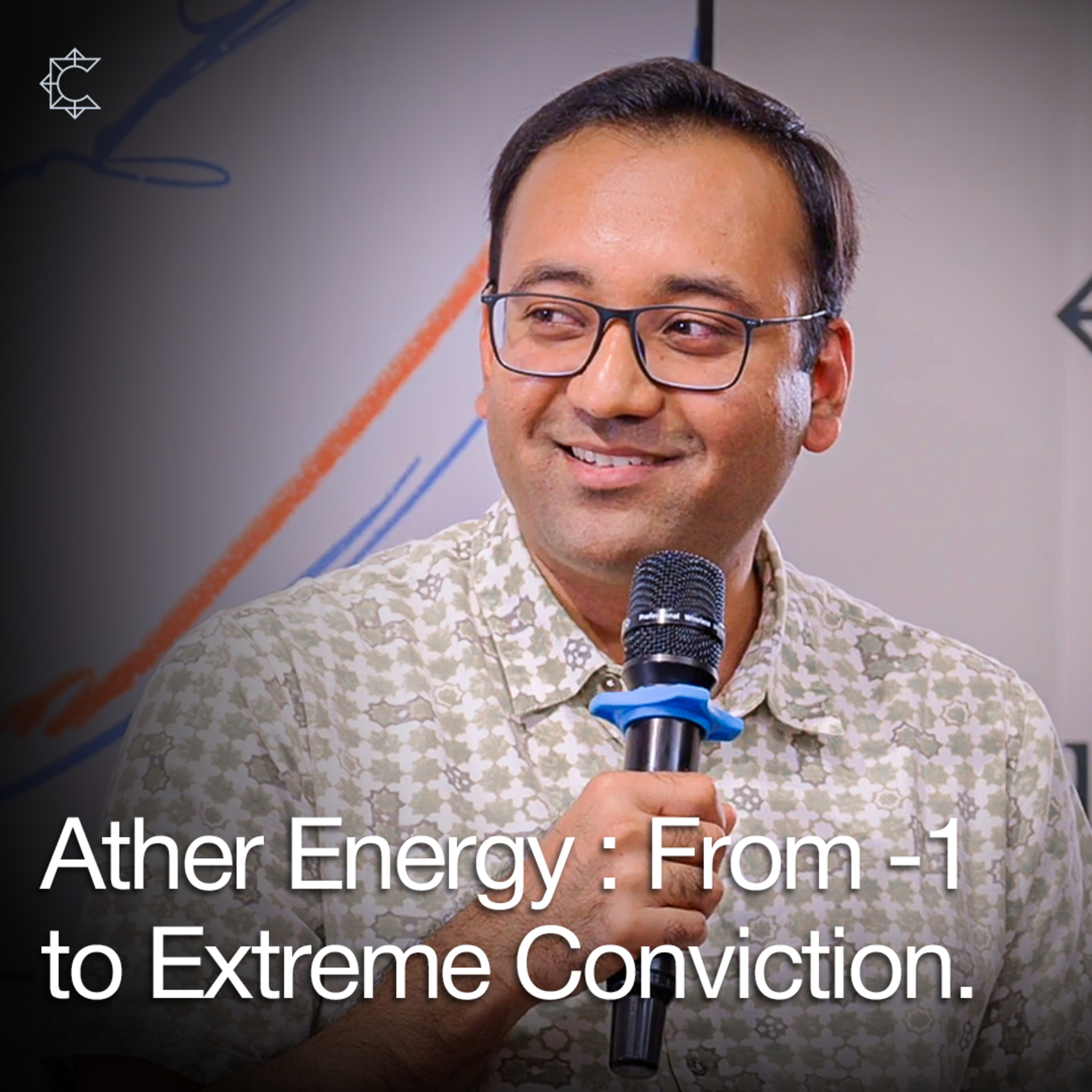
Ather's founder learned that hiring senior leaders for non-core functions too early fails due to value system clashes. Founders must first build the function themselves, establish principles, hire into that mold, and only then step back. This ensures cultural alignment.
Biotech CEOs with business-only backgrounds often possess a crucial humility about their scientific limitations. This forces them to prioritize hiring exceptional R&D talent and empowering them to succeed, avoiding the trap of micromanagement.