Get your free personalized podcast brief
We scan new podcasts and send you the top 5 insights daily.
In a rapidly shifting cultural landscape, Campari's marketing leader advises executives to be agile and accept they cannot know everything. She stresses the importance of relying on the team to stay educated on new consumer behaviors and trends, especially those driven by younger generations.

Related Insights
To maintain speed and agility in a global, always-on marketing environment, the most critical mechanism is hiring 'modern creative thinkers' who are comfortable with ambiguity. These individuals see incomplete information as an opportunity and can make decisions with only 70% of the facts, a crucial skill for rapid execution.

To maintain cultural relevance, True Religion's CMO builds a diverse marketing team by hiring people from outside traditional corporate structures, such as the music industry. This ensures the team is genuinely tapped into emerging trends, a practice reinforced by weekly "tea time" meetings to share cultural observations.
With easy access to information, consumers are more knowledgeable than ever about complex topics, from social media algorithms to product specifications. Brands can no longer rely on information asymmetry and must establish themselves as credible authorities capable of educating and dispelling misinformation.

Rippling's VP of Marketing views his role not as a deep specialist in every marketing discipline, but as a "general manager." This founder-like mindset focuses on asking intelligent questions, maintaining a high standard of excellence, and managing diverse teams (product, events, content) effectively, rather than mastering each individual skill.

Understanding current trends is crucial for any brand. This isn't passive knowledge; it requires dedicated daily research, using tools like ChatGPT to systematically analyze what's happening across various cultures. This active intelligence gathering is a core business function.

Strict adherence to a content calendar is a handicap. The most successful marketing efforts often arise from reacting quickly to current events and cultural trends—what the speaker calls moving at the "speed of culture." These impromptu posts often outperform meticulously planned content.

GM's marketing chief advises leaders to balance high-level strategy with deep, hands-on involvement in the daily work. This "hands in the kitchen sink" approach ensures leaders stay grounded and connected to the realities of execution, which is critical for agility during periods of transformation.
Consumers now expect brands to be active participants in culture, not just observers who use insights for campaigns. This requires brands to move beyond their comfort zone of brand safety guidelines and take a stance on relevant social issues, which is difficult but necessary to win consumer hearts.
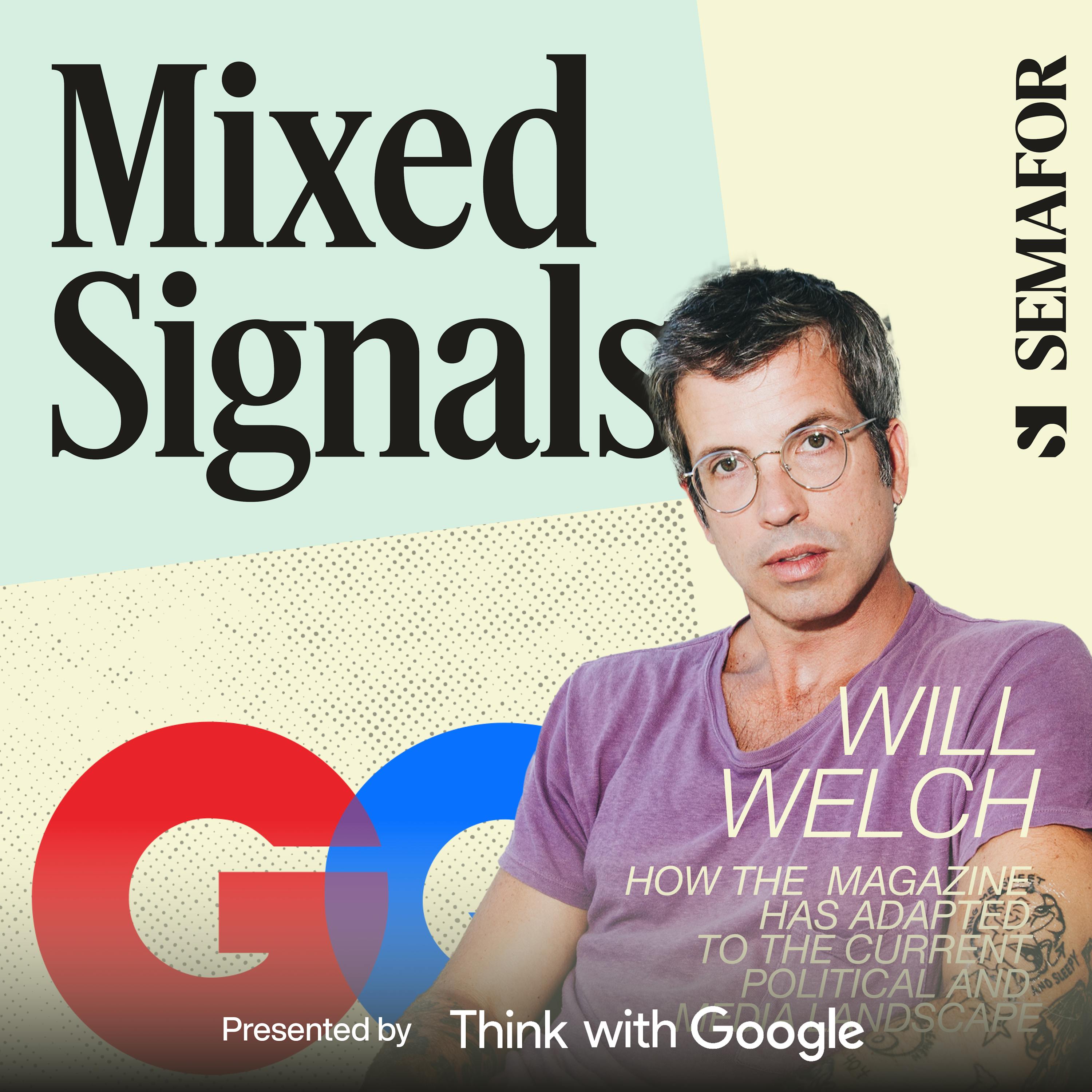
Will Welch, editor of the trend-focused GQ, says his key to staying relevant isn't personal coolness but a relentless focus on hiring. He seeks out young talent with surprising perspectives to continually modify and refresh the brand's voice, viewing hiring as his primary tool for maintaining cultural relevance.
True marketing agility isn't just about processes; it's about culture. Wrike's CMO prioritizes hiring people who are inherently curious and comfortable with experimentation and failure. This cultural foundation is more critical than rigid frameworks for adapting to constant technological disruption like AI.
