Get your free personalized podcast brief
We scan new podcasts and send you the top 5 insights daily.
MCP is a specialized layer for AI agents to consume services, translating traditional APIs (like REST) into a format Large Language Models can better utilize. It doesn't replace existing APIs but rather wraps them, acting as an adapter for a new type of consumer.

Related Insights
Model-Context Protocol (MCP) is a standardized layer that allows an LLM to communicate with various software tools without needing custom integrations for each. It acts like a universal translator, enabling the LLM to 'speak English' while the MCP handles communication with each tool's unique API.

Agent Skills and the Model Context Protocol (MCP) are complementary, not redundant. Skills package internal, repeatable workflows for 'doing the thing,' while MCP provides the open standard for connecting to external systems like databases and APIs for 'reaching the thing.'
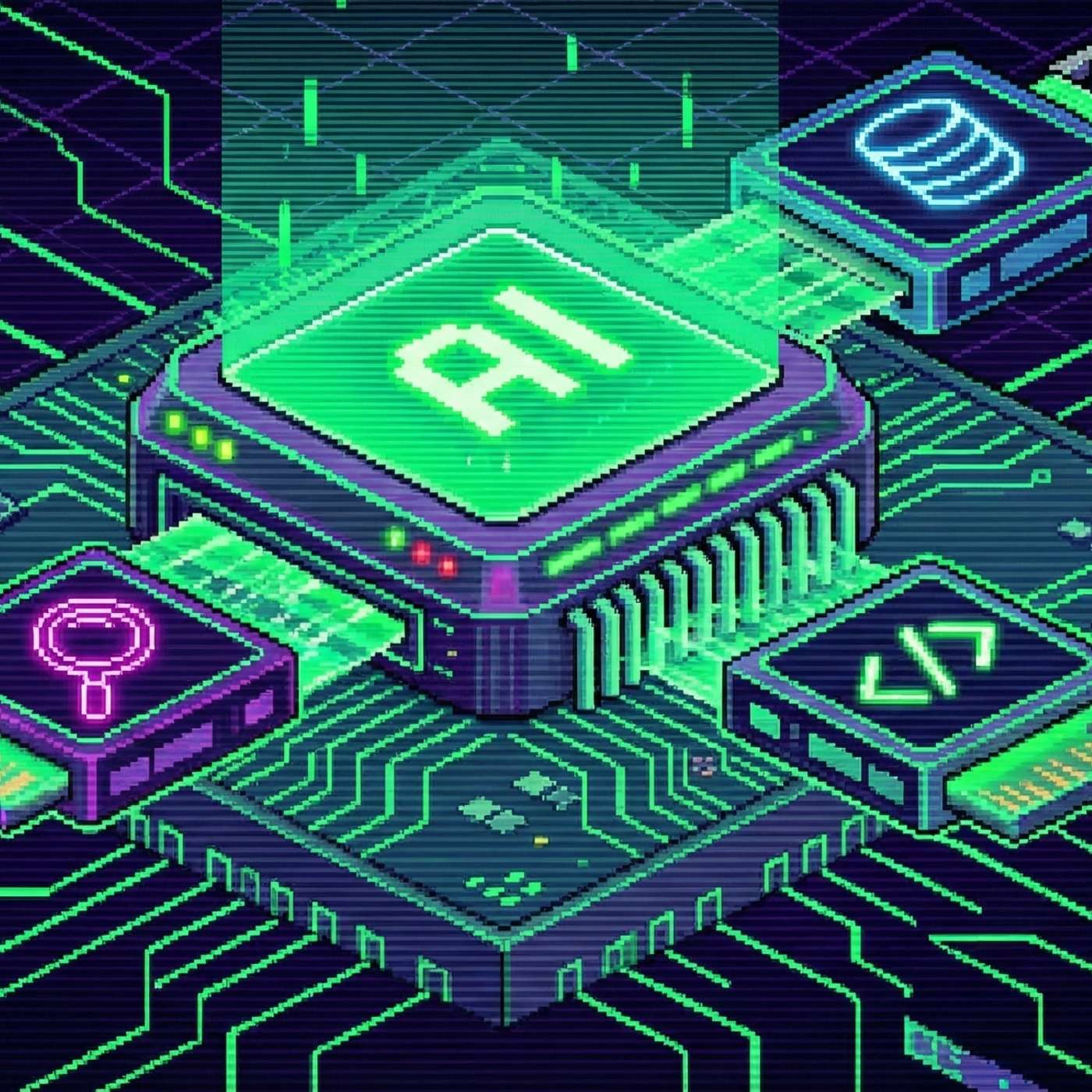
MCP formalizes the interaction between LLMs and enterprise data in simple natural language terms. This creates a controlled boundary, allowing value to flow in both directions while enabling essential security guardrails and controls.
The vision for Model Context Protocol (MCP) is to let AIs perform complex, multi-app tasks. However, translating a full API like Stripe's into MCP tools overwhelms current models' context windows, making them confused and ineffective. This forces developers to handcraft a small subset of tools.

MCP shouldn't be thought of as just another developer API like REST. Its true purpose is to enable seamless, consumer-focused pluggability. In a successful future, a user's mom wouldn't know what MCP is; her AI application would just connect to the right services automatically to get tasks done.

Instead of direct API calls, build Model-Controlled Program (MCP) servers. They act as better guardrails for the AI, allowing it to interact with external data more effectively and even suggest novel use cases based on API documentation.

MCP acts as a universal translator, allowing different AI models and platforms to share context and data. This prevents "AI amnesia" where customer interactions start from scratch, creating a continuous, intelligent experience by giving AI a persistent, shared memory.

The technical term "MCP" (Model Component Provider) is confusing. It's simpler and more accurate to think of them as connectors that give AI tools access to knowledge within your other apps and the ability to perform actions in them.

Exposing a full API via the Model Context Protocol (MCP) overwhelms an LLM's context window and reasoning. This forces developers to abandon exposing their entire service and instead manually craft a few highly specific tools, limiting the AI's capabilities and defeating the "do anything" vision of agents.

MCP provides a standardized way to connect AI models with external tools, actions, and data. It functions like an API layer, enabling agents in environments like Claude Code or Cursor to pull analytics data from Amplitude, file tickets in Linear, or perform other external actions seamlessly.