Get your free personalized podcast brief
We scan new podcasts and send you the top 5 insights daily.
Model-Context Protocol (MCP) is a standardized layer that allows an LLM to communicate with various software tools without needing custom integrations for each. It acts like a universal translator, enabling the LLM to 'speak English' while the MCP handles communication with each tool's unique API.

Related Insights
Agent Skills and the Model Context Protocol (MCP) are complementary, not redundant. Skills package internal, repeatable workflows for 'doing the thing,' while MCP provides the open standard for connecting to external systems like databases and APIs for 'reaching the thing.'
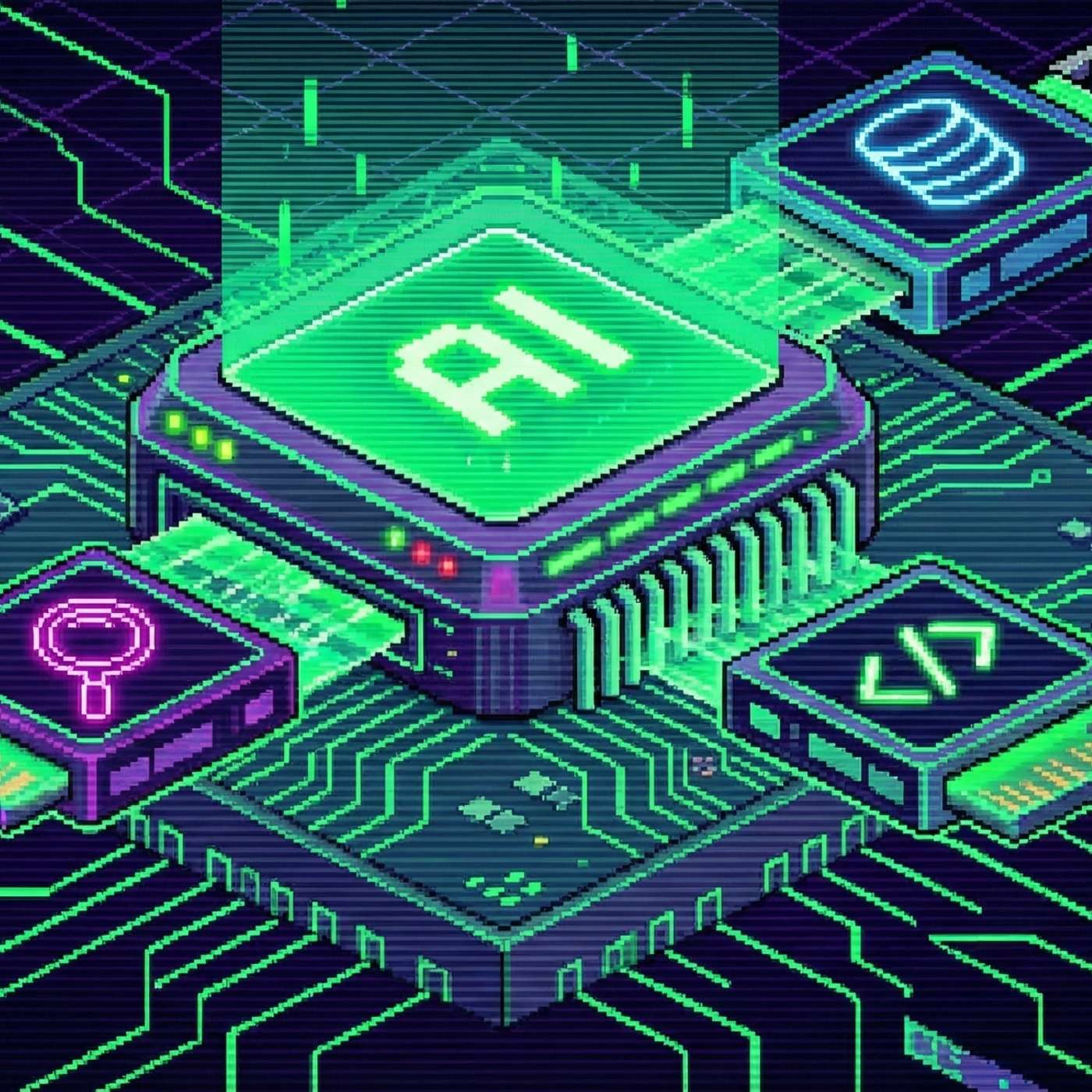
To avoid overwhelming an LLM's context with hundreds of tools, a dynamic MCP approach offers just three: one to list available API endpoints, one to get details on a specific endpoint, and one to execute it. This scales well but increases latency and complexity due to the multiple turns required for a single action.

OpenAI integrated the Model-Centric Protocol (MCP) into its agentic APIs instead of building its own. The decision was driven by Anthropic treating MCP as a truly open standard, complete with a cross-company steering committee, which fostered trust and made adoption easy and pragmatic.

Instead of direct API calls, build Model-Controlled Program (MCP) servers. They act as better guardrails for the AI, allowing it to interact with external data more effectively and even suggest novel use cases based on API documentation.

MCP acts as a universal translator, allowing different AI models and platforms to share context and data. This prevents "AI amnesia" where customer interactions start from scratch, creating a continuous, intelligent experience by giving AI a persistent, shared memory.

Skills and MCP are not competitors but complementary layers in an agent's architecture. Skills provide vertical, domain-specific knowledge (e.g., how to behave as an accountant), while MCP provides the horizontal communication layer to connect the agent to external tools and data sources.
The technical term "MCP" (Model Component Provider) is confusing. It's simpler and more accurate to think of them as connectors that give AI tools access to knowledge within your other apps and the ability to perform actions in them.
MCP emerged as a critical standard for AI agents to interact with tools, much like USB-C for hardware. However, its rapid adoption overlooked security, leading to significant vulnerabilities like tool poisoning and prompt injection attacks in its early, widespread implementations.

MCP provides a standardized way to connect AI models with external tools, actions, and data. It functions like an API layer, enabling agents in environments like Claude Code or Cursor to pull analytics data from Amplitude, file tickets in Linear, or perform other external actions seamlessly.
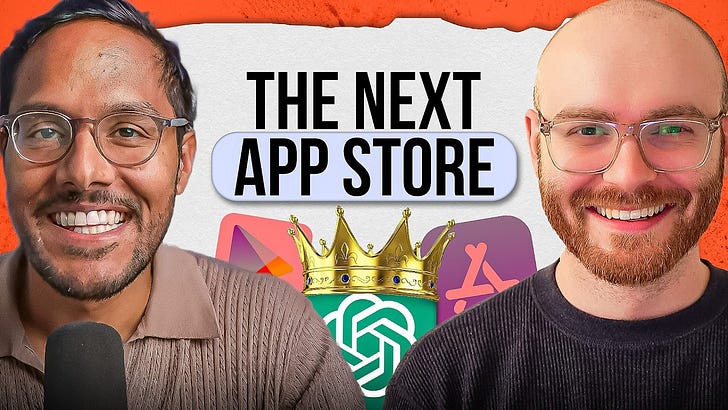
ChatGPT Apps are built on the Model Context Protocol (MCP), invented by Anthropic. This means tools built for ChatGPT can theoretically run on other MCP-supporting models like Claude. This creates an opportunity for cross-platform distribution, as you aren't just building for OpenAI's ecosystem but for a growing open standard.