Get your free personalized podcast brief
We scan new podcasts and send you the top 5 insights daily.
The venture industry's constant stream of 'amazing' news creates a false impression that success is easy and immediate. Foundry Group's Seth Levine advises new VCs to relax, ignore the 'bullshit,' and understand that building great companies is a long-term process with few overnight successes. A calm mind leads to better decisions.

Related Insights
Company building is a long-term game, not a sprint. A single early success in an investor's career can easily be attributed to luck. True investing prowess is demonstrated through consistent, patient backing of companies over the long haul, understanding that there are no overnight successes in venture capital.

During Ethic's long build phase before traction, the founder found it crucial to ignore external validation signals like other companies' funding announcements. The key to surviving this lonely period is a relentless daily focus on execution and solving customer problems, not chasing industry hype.

The venture industry has outliers who seem to 'walk on water' and others who get lucky. Constantly measuring your progress against theirs leads to dissatisfaction. The better approach is to focus on executing your job, which leads to long-term, sustainable success and pride.
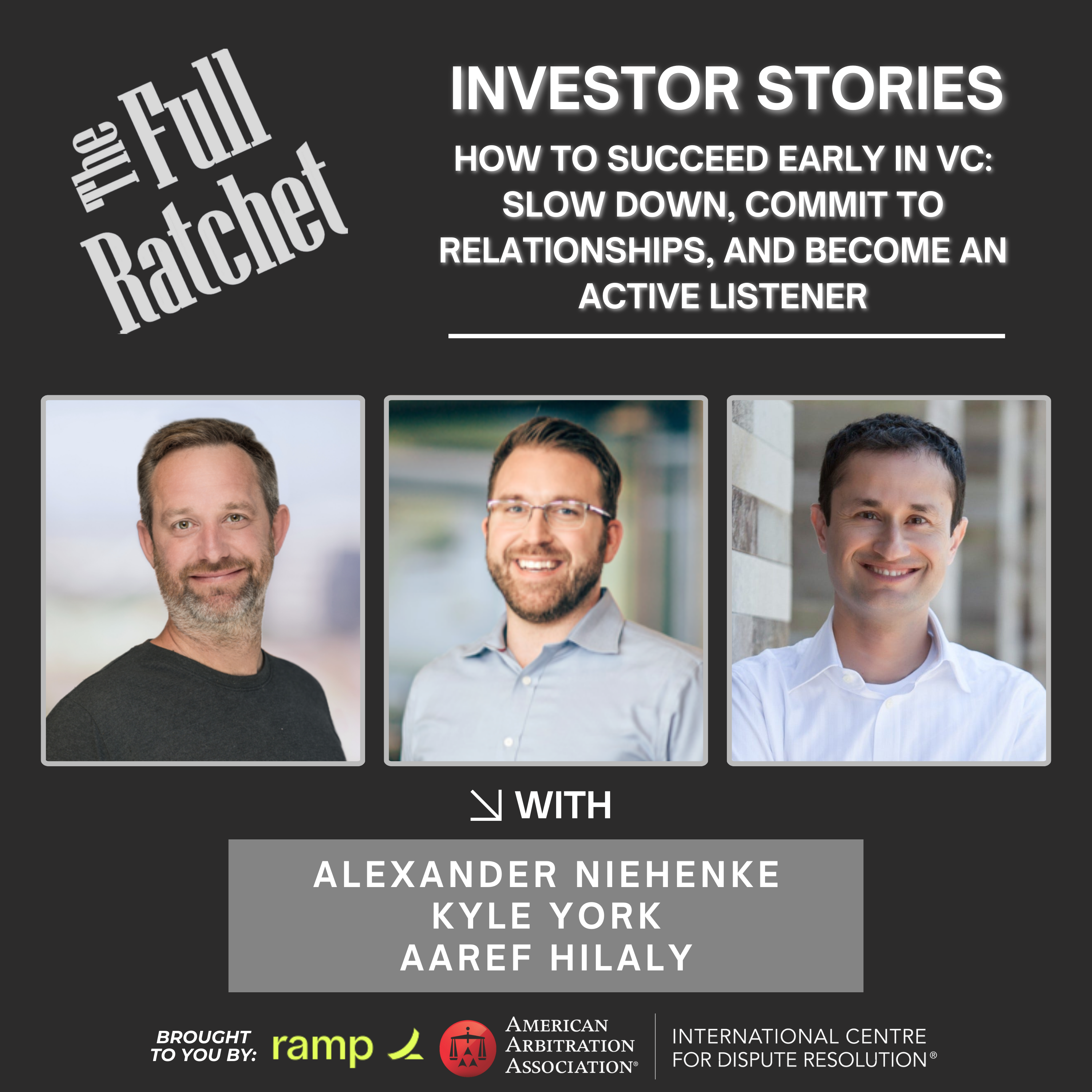
Emerging VCs often feel pressured by their LPs to deploy capital quickly. However, this leads to rushed, unwise decisions. The superior strategy is to act like a sniper: wait patiently for a high-conviction opportunity and be ready to act decisively, rather than investing broadly just to show activity.

New VCs often rush to make deals to prove themselves, but this leads to a portfolio of mediocre companies. These investments consume a disproportionate amount of time and energy, leaving no bandwidth to pursue the truly exceptional, career-making opportunities that may appear later.

The hardest transition from entrepreneur to investor is curbing the instinct to solve problems and imagine "what could be." The best venture deals aren't about fixing a company but finding teams already on a trajectory to succeed, then helping change the slope of that success line on the margin.

Rapid startup success stories are misleading. A company's quick victory is almost always the result of its founder's decade-long journey of grinding, learning, and failing. The compounding effect of skills, credibility, and network building is the true engine behind the breakthrough moment.

The persistent "never quit" advice is "venture capital bullshit." Since VCs can't recoup their investment, their only rational move is to encourage founders to keep trying against all odds. For founders, it's often better to quit, reset the cap table, and start fresh rather than waste years on a failing venture.

Lior Susan highlights the biggest mental hurdle for former operators becoming VCs: internalizing the power law. Operators are builders wired to fix problems and believe they can turn any situation around. In VC, success is driven by a few massive outliers, requiring focus on winners, not on fixing every company.
A contractor's advice, "hurry slowly," perfectly encapsulates the sustainable pace required for entrepreneurship. Founders should maintain momentum but do so methodically, avoiding reactive decisions. This mindset is crucial for surviving the inevitable decade-long journey before a potential exit.
