Get your free personalized podcast brief
We scan new podcasts and send you the top 5 insights daily.
The ability for Venezuelans to flee crises has diminished. Neighboring countries are less welcoming and the remaining population is often too impoverished to emigrate. This removes a key pressure release valve, intensifying future domestic instability.

Related Insights
While societal decline can be a long, slow process, it can unravel rapidly. The tipping point is when the outside world loses confidence in a nation's core institutions, such as its legal system or central bank. This triggers a sudden flight of capital, talent, and investment, drastically accelerating the collapse.

Once a destination for American economic opportunity, Venezuela's economy imploded after nationalizing its top industry and imposing widespread price controls. This recent, dramatic collapse serves as a powerful, real-world example of how such policies can lead to ruin, yet they remain popular.

The inability for young people to afford assets like housing creates massive inequality and fear. This economic desperation makes them susceptible to populist leaders who redirect their anger towards political opponents, ultimately sparking violence.

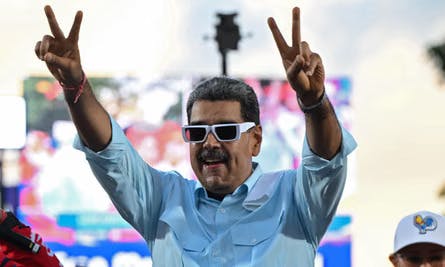
The Maduro regime is not just a corrupt petrostate; it is a diversified criminal enterprise. It has expanded into drug trafficking, gold smuggling, and human trafficking, turning Venezuela into a safe haven for global criminal networks, terrorist groups, and adversaries like Russia and Iran.

To crush popular dissent after losing an election, the Maduro regime escalated to what international bodies label "state terrorism." This included imprisoning not just activists but also their family members and even citizens who merely posted a supportive picture online, aiming to terrify the entire population into silence.
The hosts argue that even with vast oil reserves and government encouragement, the political instability, power vacuum, and lack of rule of law in Venezuela make it a poor investment for oil companies. The cost and uncertainty of securing profits are too high.

In the face of a true systemic collapse and hyperinflation, traditional financial assets become unreliable. The most effective long-term strategy is having a plan for physical relocation to a more stable economic region, preserving not just wealth but personal safety and opportunity.

Immigration policy must account for economic incentives. Unlike in the past, modern welfare states make immigration an economically rational choice for survival, not just opportunity. This shifts the dynamic, attracting individuals based on benefits rather than a desire to contribute without a safety net.

When countries run large, structural government deficits, their policy options become limited. Historically, this state of 'fiscal dominance' leads to the implementation of capital controls and other financial frictions to prevent capital flight and manage the currency, increasing risks for investors.

The administration's aggressive posture in Latin America is framed not by traditional security interests but by a desire to curb migration. This reflects a core white nationalist belief that demographic shifts pose an existential threat to the US, making immigration control a primary national security objective, viewing Venezuela as an exporter of people, not oil.